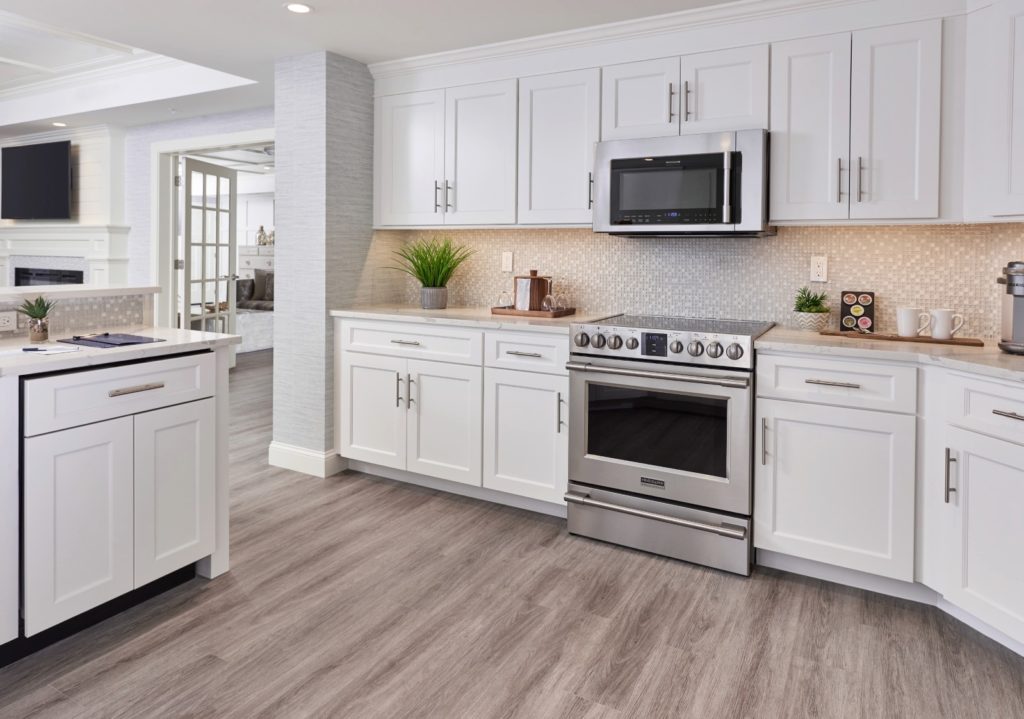
How to Spec Cabinet Lighting for a Chicago Kitchen Renovation
When embarking on a kitchen renovation in Chicago, one of the most significant elements to consider is cabinet lighting. Proper lighting not only enhances the aesthetic appeal of your kitchen but also improves functionality, making it easier to prepare meals and entertain guests. In this detailed guide, we’ll walk you through everything you need to know about specifying cabinet lighting, ensuring your kitchen shines brightly and beautifully.
Understanding the Importance of Cabinet Lighting
Cabinet lighting serves multiple purposes in a kitchen. It highlights the beauty of your cabinetry, illuminates workspaces, and creates an inviting atmosphere. Here are a few reasons why you should prioritize cabinet lighting in your kitchen renovation:
- Enhances Aesthetics: Well-placed lighting can accentuate the design and color of your cabinets, creating a visually appealing space.
- Improves Functionality: Task lighting helps illuminate work areas, making cooking and food preparation safer and easier.
- Creates Ambiance: Dimmable lighting options allow you to adjust the mood of your kitchen, whether you’re hosting a party or enjoying a quiet dinner.
Types of Cabinet Lighting
When specifying cabinet lighting, you have several options to choose from. Each type has its own advantages and can be used in combination to achieve the desired effect:
1. Under-Cabinet Lighting
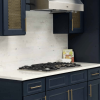
This type of lighting is installed beneath the upper cabinets, providing direct illumination to the countertop below. It’s ideal for cooking areas and helps prevent shadows while preparing food. Options for under-cabinet lighting include:
- LED Strips: Slim and energy-efficient, LED strips can be cut to size and easily installed. They offer a modern look and come in various color temperatures.
- puck Lights: These are small, round fixtures that provide focused light. They can be installed in a series or alone, depending on the desired effect.
- Fluorescent Lighting: While less common today, fluorescent fixtures can provide bright, even lighting across countertops.
2. Inside-Cabinet Lighting
Interior cabinet lighting is a great way to showcase your dishware, glassware, or decorative items. It enhances visibility and adds a touch of elegance. Consider using:
- LED Strip Lights: Perfect for illuminating shelves, these lights are low-profile and energy-efficient.
- Spotlights: These can be used to highlight specific items within the cabinet.
3. Accent Lighting
Accent lighting adds visual interest to your kitchen. It can be used to highlight architectural features or decorative pieces. Options for accent lighting include:
- Recessed Lighting: Installed in the ceiling, recessed lights can be directed to highlight specific areas, such as artwork or cabinetry.
- Wall Sconces: Placed on the walls, sconces provide ambient lighting and can enhance the overall decor.
Choosing the Right Bulbs
The type of bulb you choose can have a significant impact on the quality of light in your kitchen. Here are some factors to consider:
- Color Temperature: Measured in Kelvin (K), color temperature affects the ambiance. For kitchens, a color temperature of 3000K to 4000K is ideal, providing a warm, inviting glow.
- Brightness: Measured in lumens, the brightness of the bulbs should be sufficient for the tasks at hand. For under-cabinet lighting, aim for at least 800 lumens per linear foot.
- Energy Efficiency: LED bulbs are the most energy-efficient option, lasting longer and consuming less power than incandescent or fluorescent bulbs.
Placement and Installation Tips
Proper placement and installation are crucial for achieving the desired lighting effect. Here are some tips:
- Under Cabinet: Position under-cabinet lights 2-4 inches from the back of the cabinet to minimize shadows and provide even coverage.
- Inside Cabinet: For interior cabinet lighting, mount lights on the sides or top of the cabinet to avoid glare and ensure even illumination.
- Switches and Dimmers: Install controls that allow you to adjust brightness. Dimmers provide flexibility for different tasks and moods.
Hiring Professionals vs. DIY
Deciding between hiring a professional electrician or tackling the project yourself depends on your skill level and the complexity of the installation. While DIY can save money, hiring an electrician ensures safety and compliance with local building codes. If you’re not comfortable with electrical work, it’s best to consult a professional.
Conclusion
Specifying cabinet lighting in your Chicago kitchen renovation is essential for creating a functional and inviting space. By understanding the different types of lighting, choosing the right bulbs, and considering placement, you can achieve the perfect ambiance and enhance the beauty of your cabinets. Whether you opt for under-cabinet lighting, interior cabinet lights, or accent fixtures, the right lighting will transform your kitchen into a welcoming hub for family and friends.
For more information on kitchen cabinets and renovation ideas, feel free to contact CCC Cabinets at +1 872-241-5525 or visit our showroom in Des Plaines, IL!
More in Local Guides
Near Des Plaines? Visit our cabinet warehouse.
CCC Cabinets supplies 15 door styles at wholesale prices from our Des Plaines, IL store and warehouse — confirm availability for your door style, then choose warehouse pickup near O’Hare or scheduled delivery across Chicagoland.
Door styles to explore: Millennium Grey · Millennium Blue · Millennium Off White
Browse all cabinet styles · Open a dealer account · Call (872) 241-5525 · Talk to our team