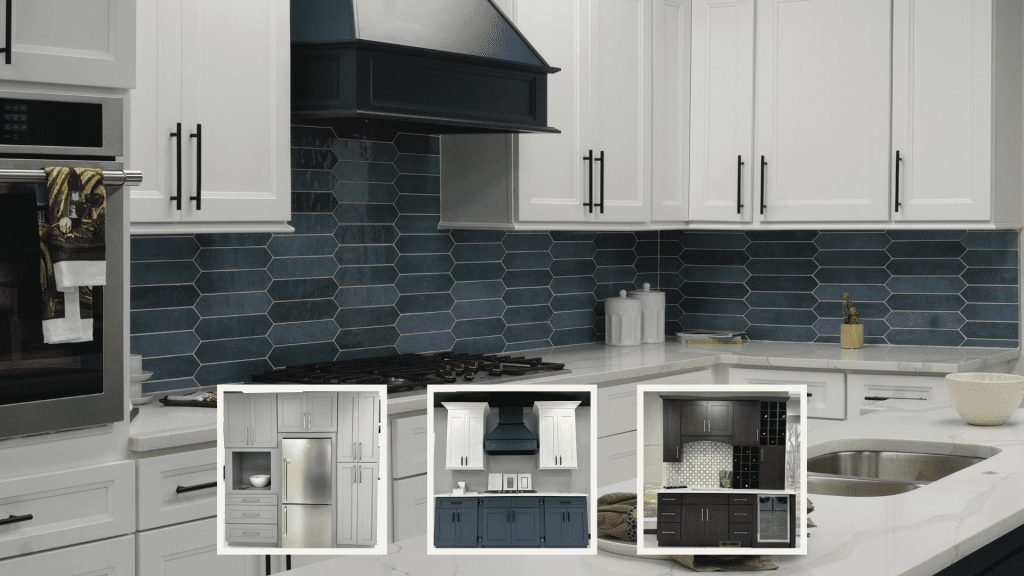
Under-Cabinet Lighting Integration: What Illinois Builders Need to Know
As the demand for modern kitchen designs continues to grow, under-cabinet lighting has become an essential feature for many homeowners. This lighting solution not only enhances the aesthetic appeal of a kitchen but also provides practical benefits, such as increased visibility and improved functionality. For builders and contractors in Illinois, understanding the intricacies of under-cabinet lighting integration is crucial for delivering high-quality projects that meet client expectations. In this guide, we will delve into the key considerations, types of lighting options, installation tips, and design trends that builders should keep in mind.
Why Under-Cabinet Lighting Matters
Under-cabinet lighting serves multiple purposes in a kitchen setting. Firstly, it illuminates the countertop workspace, making it easier to prepare meals, read recipes, and complete other tasks safely. Secondly, it adds a layer of ambiance, creating a warm and inviting atmosphere. Lastly, strategically placed lighting can highlight design features such as backsplashes and cabinet details, elevating the overall look of the kitchen.
Types of Under-Cabinet Lighting Options
There are several types of under-cabinet lighting options available, each with its own advantages:
- LED Strip Lights: These flexible, energy-efficient lights can be easily installed along the edges of cabinets. They come in various color temperatures and can be dimmable, allowing for customizable lighting.
- LED Puck Lights: These small, round fixtures can be mounted directly under cabinets. They provide focused lighting and are available in wired and battery-operated options.
- Fluorescent Lights: While less common in contemporary designs, fluorescent lights are still utilized for their brightness and efficiency. They are often found in commercial settings.
- Halogen Lights: This type of lighting offers a warm glow and excellent color rendering, making it suitable for highlighting specific areas. However, they consume more energy and generate more heat than LEDs.
Installation Considerations
When integrating under-cabinet lighting, builders should consider the following factors:
- Power Source: Determine where the power supply will come from. It may be necessary to work with an electrician to ensure adequate wiring is in place.
- Placement: The positioning of lights is critical for achieving optimal illumination. Typically, lights should be placed toward the front edge of the cabinet to minimize shadows.
- Control Options: Builders should discuss control options with homeowners. Dimmers, wall switches, or smart home integration can enhance the user experience by allowing for adjustable lighting levels.
- Maintenance: Consider how accessible the lights will be for bulb replacement or maintenance. Choose fixtures that are easy to reach without requiring extensive effort.
Design Trends in Under-Cabinet Lighting
As aesthetics play a significant role in kitchen design, staying updated on the latest trends can help builders create visually appealing spaces:
- Color Temperature: Warmer color temperatures (2700K-3000K) are popular for creating a cozy atmosphere, while cooler temperatures (4000K-5000K) provide a more modern, bright look.
- Smart Lighting: Many homeowners are opting for smart under-cabinet lighting that can be controlled via smartphone apps or voice commands, integrating seamlessly into their smart home systems.
- Layered Lighting: Combining under-cabinet lighting with other lighting sources, such as pendant lights and recessed lighting, creates a layered effect that enhances the overall ambiance.
Benefits of Professional Integration
For builders, ensuring professional integration of under-cabinet lighting is essential. It not only guarantees safety and compliance with electrical codes but also maximizes the effectiveness of the lighting. Homeowner satisfaction is greatly enhanced when lighting is installed correctly, leading to positive referrals and repeat business.
Frequently Asked Questions
1. How do I choose the right under-cabinet lighting for my project?
Consider factors such as the kitchen design, the desired ambiance, energy efficiency, and the specific needs of the homeowner. LED options are generally recommended for their versatility and energy savings.
2. What are the installation costs associated with under-cabinet lighting?
Costs can vary based on the type of lighting selected, the complexity of the installation, and whether electrical work is required. It’s best to provide clients with a detailed estimate based on their preferences.
3. Can under-cabinet lighting be integrated into existing kitchens?
Yes, under-cabinet lighting can often be retrofitted into existing kitchens. However, the process may require additional wiring or adjustments to the cabinetry.
4. What maintenance do under-cabinet lights require?
Maintenance typically involves cleaning the fixtures to prevent dust buildup and replacing bulbs as needed. LED lights have a longer lifespan than traditional bulbs, reducing maintenance frequency.
Conclusion
Integrating under-cabinet lighting into kitchen designs not only meets the functional needs of homeowners but also enhances the overall aesthetic appeal of the space. For builders in Illinois, understanding the various lighting options, installation considerations, and design trends is essential for delivering high-quality projects that exceed client expectations. By staying informed and embracing these modern lighting solutions, builders can set themselves apart in a competitive market.
More in Local Guides
Near Des Plaines? Visit our cabinet warehouse.
CCC Cabinets supplies 15 door styles at wholesale prices from our Des Plaines, IL store and warehouse — confirm availability for your door style, then choose warehouse pickup near O’Hare or scheduled delivery across Chicagoland.
Door styles to explore: Millennium Blue · Millennium Off White · Millennium Cappuccino
Browse all cabinet styles · Open a dealer account · Call (872) 241-5525 · Talk to our team