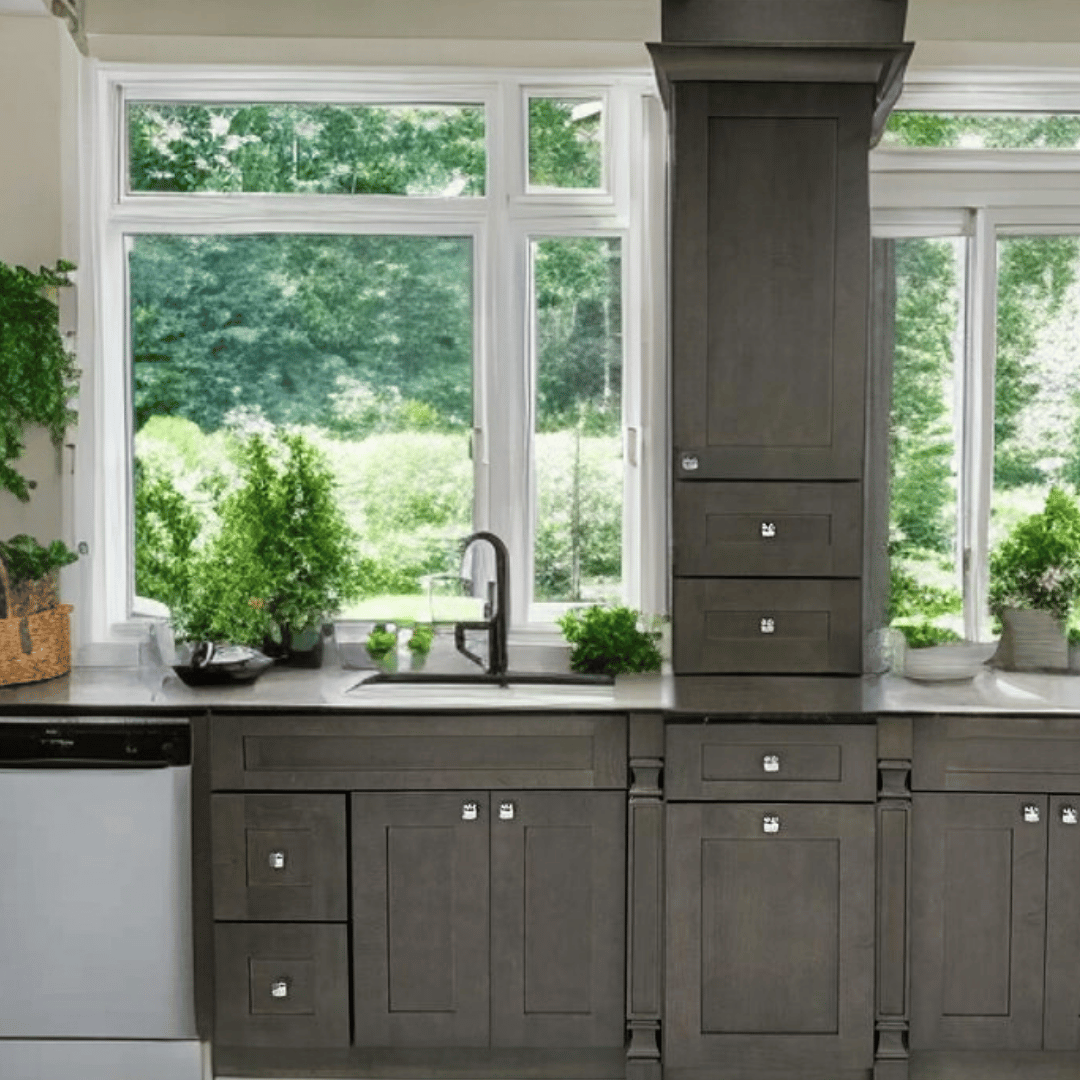
Why Kitchen Cabinet Design Integration with Appliances Creates a Seamless Kitchen Look
The kitchen is often regarded as the heart of the home, a place where culinary creativity meets family gatherings and social interactions. As such, achieving a seamless kitchen design is paramount for both functionality and aesthetics. One of the most effective ways to attain this harmonious look is through the integration of kitchen cabinet design with appliances. This article will delve into why this integration is essential, how it enhances the overall kitchen experience, and practical steps for achieving it. You’ll discover expert insights, actionable tips, and learn how CCC Cabinets can help you transform your kitchen into a stunning, cohesive space.
Understanding the Importance of Seamless Kitchen Design
A seamless kitchen design is not merely a trend; it reflects a lifestyle choice that prioritizes both style and functionality. A well-integrated kitchen can improve the flow of the space, making it easier for users to navigate and utilize all elements effectively. The integration of kitchen cabinets and appliances plays a crucial role in this regard.
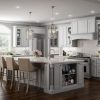
When cabinets and appliances are designed to work together, it creates a cohesive look that enhances the kitchen’s overall aesthetic. This integration eliminates visual clutter, allowing for a more organized environment that promotes creativity and efficiency. Moreover, it can significantly increase the value of the home, as many potential buyers appreciate a well-designed kitchen.
The Role of Cabinet Design in Kitchen Integration
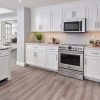
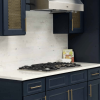
Cabinet design serves as the foundation for kitchen aesthetics. The choice of materials, colors, and styles can either complement or clash with appliances. For example, a modern kitchen with stainless steel appliances can benefit from sleek, flat-panel cabinet doors for a streamlined look. In contrast, traditional kitchens may incorporate raised-panel doors with wood finishes that add warmth and character.
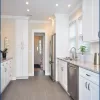
Incorporating cabinetry that accommodates appliances is essential. For instance, custom cabinetry can be built around refrigerators, ovens, and dishwashers, creating a built-in look that enhances the seamless design. This not only improves the visual appeal but also optimizes space usage.
Materials Matter
When selecting cabinets, consider materials that pair well with your appliances. Solid wood cabinets are a popular choice due to their durability and timeless appeal. However, laminate and MDF (medium-density fiberboard) options can also be excellent choices, especially for modern designs.
Choosing the Right Appliances for Your Cabinets
Choosing the right appliances is crucial for achieving a seamless kitchen look. Here are some factors to consider:
- Size: Ensure your appliances fit within the cabinetry dimensions. Standard sizes are essential for a streamlined appearance.
- Style: Match the appliance finishes with the cabinet colors and materials. This helps create a cohesive look.
- Features: Opt for appliances that offer modern features without compromising aesthetics. Built-in options can provide a more integrated appearance.
For example, built-in refrigerators can be panel-ready, allowing them to blend seamlessly with cabinetry. This design choice not only enhances aesthetics but also maximizes space efficiency.
Design Strategies for Effective Integration
Implementing effective design strategies is vital for the seamless integration of cabinets and appliances. Here are some strategies to consider:
- Use a Unified Color Palette: Selecting a color palette that complements both cabinets and appliances is essential. For instance, if your cabinets are painted in a soft white, consider stainless steel or white appliances to maintain that clean look.
- Incorporate Custom Cabinetry: Custom cabinetry allows for flexibility in design, ensuring that appliances fit perfectly and look built-in. This can be especially useful for unique appliance sizes.
- Consider Open Shelving: Integrating open shelving can break up the visual heaviness of cabinet doors while allowing for decorative elements that align with appliance finishes.
- Utilize Crown Molding: Crown molding can enhance the overall design by adding elegance and tying together the cabinet and appliance installations.
Benefits of Integrating Cabinets and Appliances
The benefits of integrating kitchen cabinets with appliances extend beyond aesthetics. Here are some of the key advantages:
| Benefit | Description |
|---|---|
| Enhanced Aesthetics | Creates a cohesive look that enhances the overall beauty of the kitchen. |
| Improved Functionality | Streamlines workflow by providing easy access to appliances and storage. |
| Increased Home Value | A well-designed kitchen can significantly boost the resale value of a home. |
| Optimized Space | Custom cabinetry can maximize the use of available space, making the kitchen feel larger. |
| Easy Maintenance | Seamless designs often lead to fewer crevices and joints, simplifying cleaning. |
Expert Tips for a Seamless Look
To achieve a truly seamless kitchen design, consider these expert tips:
Here are additional tips:
- Plan for the Future: Consider your long-term needs when designing your kitchen. Will you be upgrading appliances or changing your cooking style?
- Stay Consistent: Keep cabinet styles consistent throughout the kitchen to maintain a unified look.
- Opt for Soft-Close Features: Soft-close hinges and drawer slides are not only functional but also contribute to a polished look.
- Incorporate Lighting: Proper lighting can enhance the beauty of your integrated design. Consider under-cabinet lighting to highlight appliances and surfaces.
Common Mistakes to Avoid
While integrating cabinets and appliances can create a stunning kitchen, there are common pitfalls to avoid:
- Ignoring Measurements: Always measure appliances and cabinet spaces accurately to avoid fitting issues.
- Neglecting Design Flow: Ensure that the design allows for a natural flow of movement in the kitchen.
- Overlooking Ventilation: Adequate ventilation is essential, especially when installing built-in appliances.
Conclusion
Integrating kitchen cabinet design with appliances is a crucial step in creating a seamless kitchen look. This integration not only enhances aesthetics but also improves functionality and increases home value. By following the strategies outlined in this article, you can achieve a kitchen that is both beautiful and practical. At CCC Cabinets, we offer a wide range of wholesale cabinetry options that can be tailored to fit your unique kitchen needs, ensuring that your dream kitchen becomes a reality.
FAQs
1. What is the importance of integrating cabinets with appliances?
Integrating cabinets with appliances creates a cohesive look, enhances functionality, and can increase the overall value of your kitchen.
2. How can I choose the right appliances for my cabinets?
Ensure that the appliances fit within the cabinetry dimensions, match the cabinet style, and offer features that complement your kitchen design.
3. What materials are best for kitchen cabinets when integrating with appliances?
Solid wood, laminate, and MDF are popular choices. The material should complement the appliance finishes for a seamless look.
4. Are built-in appliances worth it?
Yes, built-in appliances provide a more integrated appearance and can optimize space usage in your kitchen.
5. How can I enhance the aesthetics of my kitchen design?
Using a unified color palette, incorporating custom cabinetry, and adding decorative elements can enhance your kitchen’s aesthetics.
6. What are some common mistakes to avoid in kitchen design integration?
Common mistakes include ignoring measurements, neglecting design flow, and overlooking ventilation needs.
7. How does lighting affect kitchen design integration?
Proper lighting can highlight appliances and surfaces, enhancing the beauty of your integrated design.
8. Can I integrate cabinets and appliances on a budget?
Yes, by opting for stock cabinetry and standard-sized appliances, you can achieve a seamless look without overspending.
More in Cabinet Guides
Sourcing cabinets for a Chicagoland project?
CCC Cabinets supplies 15 door styles — including Matcha Latte cabinets — at wholesale prices from our Des Plaines, IL warehouse. Confirm availability for your door style, then choose warehouse pickup near O’Hare or scheduled delivery across Chicagoland.
Door styles to explore: Matcha Latte · Cappuccino · Dark Grey
Browse all cabinet styles · Open a dealer account · Call (872) 241-5525 · Talk to our team