
What Chicago Building Codes Say About Cabinet Installation in 2026
When it comes to kitchen renovations, understanding local building codes is essential for both contractors and homeowners. In Chicago, cabinet installation is governed by specific building codes that ensure safety, structural integrity, and compliance with local regulations. As we move into 2026, it’s important to familiarize yourself with these codes to ensure that your cabinet installation project meets all necessary requirements. This article will explore the key building codes related to cabinet installation in Chicago and how they impact your renovation project.
Understanding Chicago Building Codes
The Chicago Building Code is a set of regulations established to promote safety, health, and general welfare in the construction and occupancy of buildings. These codes cover a wide range of topics, including structural integrity, fire safety, and accessibility. For kitchen cabinet installations, there are several key areas of the code that contractors and homeowners must pay attention to.
1. Structural Considerations
One of the primary concerns when installing cabinets is ensuring that they are securely anchored to the wall. According to the Chicago Building Code, cabinets must be installed in a manner that prevents them from tipping or collapsing. This often involves using appropriate fasteners, such as lag bolts or screws, that are designed to support the weight of the cabinets and any items stored within them.
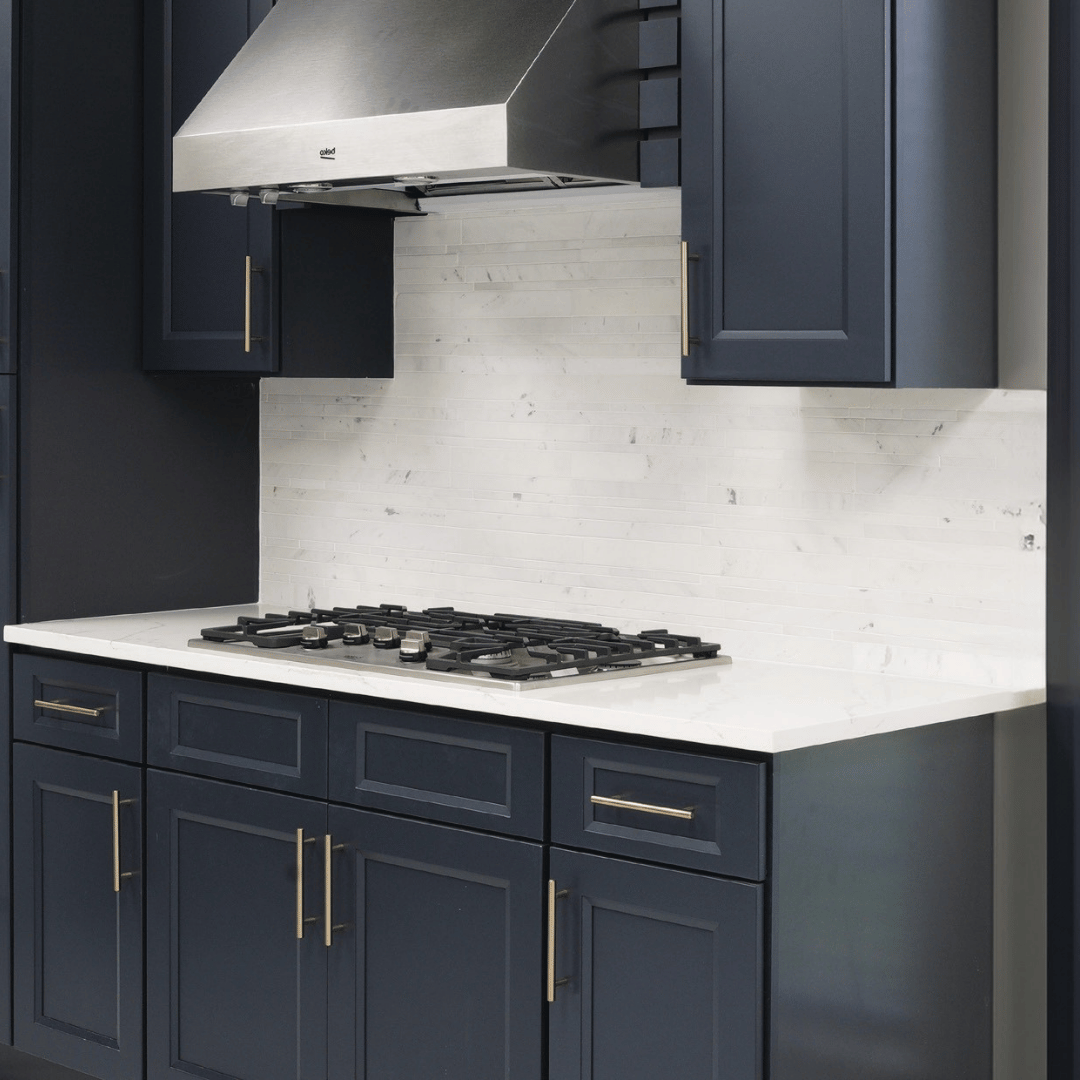
Additionally, the code requires that cabinets installed above appliances, such as ovens or refrigerators, be positioned at a height that does not obstruct ventilation or access to these appliances. This is crucial for both safety and functionality.
2. Electrical and Plumbing Codes
In many cases, kitchen cabinets may need to accommodate electrical wiring or plumbing fixtures. For example, if you are installing cabinets around a sink or dishwasher, it’s important to adhere to the electrical and plumbing codes set forth by the City of Chicago. These codes dictate how electrical outlets and plumbing lines must be routed, protecting against potential hazards such as water leaks or electrical shorts.
Contractors should work closely with licensed electricians and plumbers to ensure that all installations meet code requirements. This may include the use of GFCI (Ground Fault Circuit Interrupter) outlets near sinks and proper drainage systems for any plumbing fixtures.
3. Fire Safety Regulations
Fire safety is another critical aspect of building codes that impacts cabinet installation. In Chicago, the code requires that cabinets installed near cooking appliances be made of non-combustible materials or be treated with fire-resistant finishes. This is especially important for cabinets located above stoves or ovens, as they can be exposed to heat and potential flames.
Additionally, the code mandates that the installation of any cabinetry must not obstruct access to fire extinguishers or emergency exits. Homeowners and contractors should always prioritize safety when planning cabinet layouts.
4. Accessibility Standards
As part of the Americans with Disabilities Act (ADA), Chicago building codes include provisions for accessibility in residential spaces. This means that cabinets should be installed at heights that are accessible to all individuals, including those with mobility impairments. For example, lower cabinets should be placed at a height that allows for easy access by wheelchair users. For a room-by-room planning approach, see how to build a fully accessible kitchen cabinet layout in Illinois.
In 2026, it is expected that the city will continue to emphasize accessibility in building codes, making it vital for contractors and homeowners to consider these requirements during cabinet installation.
5. Permits and Inspections
Before beginning any cabinet installation project, it’s essential to obtain the necessary permits from the City of Chicago. This may include a building permit, especially if the installation involves structural modifications or electrical and plumbing work. The permitting process ensures that your project adheres to all building codes and regulations.
Once the installation is complete, an inspection may be required to verify compliance with the code. Failing to obtain the proper permits and inspections can lead to costly fines and complications down the line.
Conclusion
As we look ahead to 2026, understanding the building codes related to cabinet installation in Chicago will be crucial for ensuring a successful renovation project. By adhering to structural, electrical, plumbing, fire safety, and accessibility codes, contractors and homeowners can create a beautiful and functional kitchen space while maintaining compliance with local regulations. If you’re planning a kitchen renovation, consider partnering with a knowledgeable cabinet supplier like CCC Cabinets, who can provide you with in-stock solid wood kitchen cabinets that meet your needs and help you navigate the complexities of building codes. For more information on cabinet styles and installation guidelines, visit CCC Cabinets or call +1 872-241-5525 to speak with our cabinet specialists.
More in Trends & Design
Sourcing cabinets for a Chicagoland project?
CCC Cabinets supplies 15 door styles — including Matcha Latte cabinets — at wholesale prices from our Des Plaines, IL warehouse. Confirm availability for your door style, then choose warehouse pickup near O’Hare or scheduled delivery across Chicagoland.
Door styles to explore: Matcha Latte · Dark Grey · Light Grey
Browse all cabinet styles · Open a dealer account · Call (872) 241-5525 · Talk to our team