
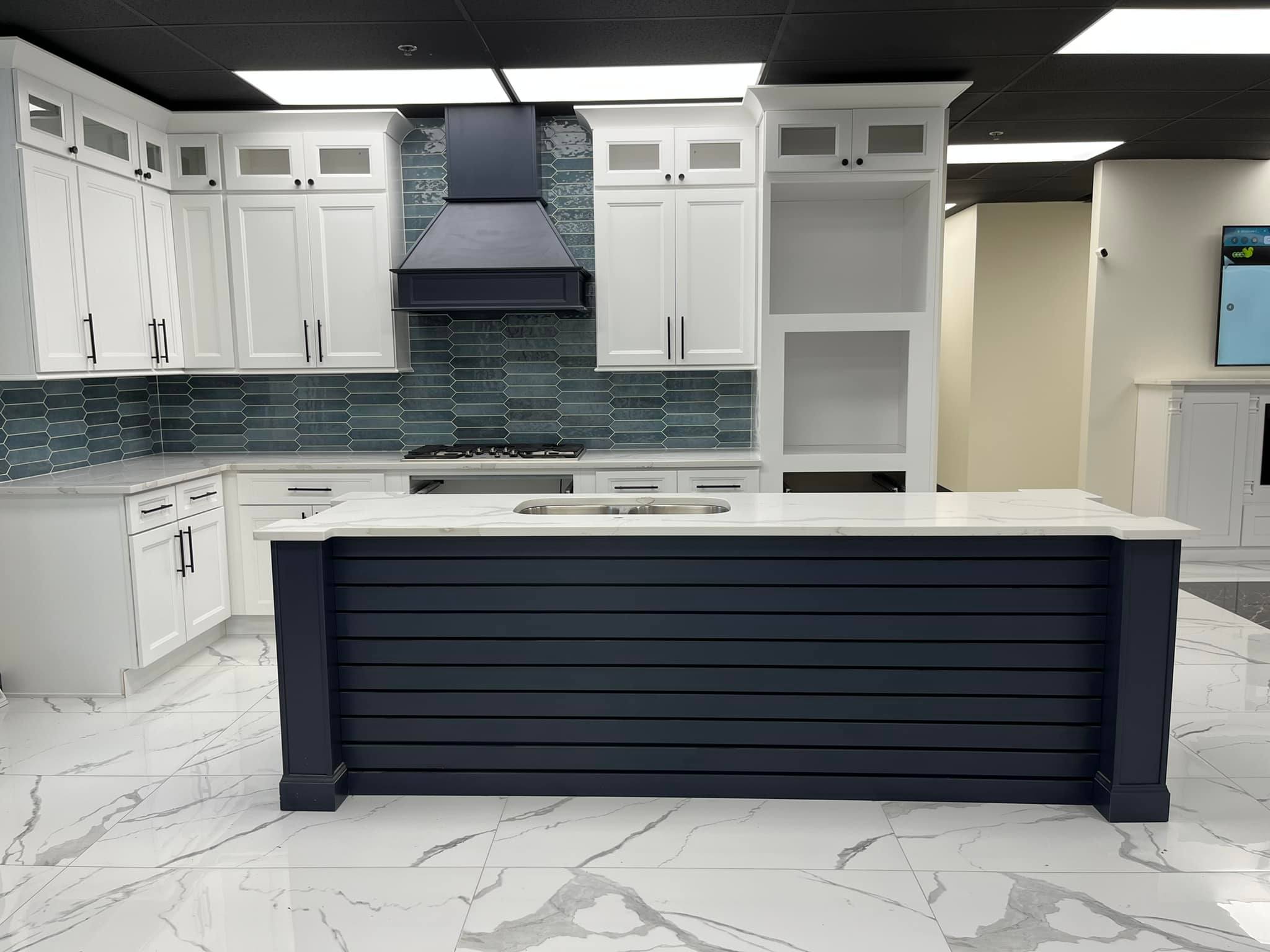
When it comes to sourcing kitchen cabinets for renovation or new construction projects, understanding the minimum order quantity (MOQ) at a Chicago cabinet wholesaler is crucial for contractors, builders, and remodelers. This article will explore what MOQ means, how it affects purchasing decisions, and tips for navigating these requirements effectively.
What is Minimum Order Quantity (MOQ)?
Minimum Order Quantity (MOQ) is the smallest number of units a supplier is willing to sell to a customer. This concept is particularly prominent in wholesale industries, including cabinetry. For wholesale cabinet suppliers like CCC Cabinets, MOQs help ensure that the costs associated with production, storage, and logistics are covered while offering competitive pricing to bulk buyers.
Why Do Cabinet Wholesalers Set MOQs?
Cabinet wholesalers establish MOQs for several reasons:
- Cost Efficiency: Setting a minimum order helps wholesalers manage costs associated with production and shipping. It ensures that the price per unit remains financially viable.
- Inventory Management: MOQs assist in maintaining inventory levels. Wholesalers need to balance supply and demand effectively to avoid excess stock or shortages.
- Logistical Considerations: Wholesalers often work with delivery schedules and logistics that require a certain volume of orders to be efficient. Low order quantities can complicate this process.
Typical MOQs at Chicago Cabinet Wholesalers
While MOQs can vary widely among suppliers, a common range for cabinet wholesalers in Chicago is between 5 to 20 cabinets per order. For example, CCC Cabinets offers flexibility in their MOQ, making it accessible for contractors working on diverse projects, from single-family homes to multi-unit developments.
Factors Influencing MOQs
Several factors can influence the minimum order quantity at a cabinet wholesaler:
- Type of Cabinets: Custom cabinets may have higher MOQs due to production processes, while stock cabinets typically have lower MOQs.
- Supplier Relationships: Established relationships between contractors and wholesalers can lead to more favorable MOQ terms.
- Project Size: Larger projects may justify larger orders, allowing for lower MOQs per unit.
- Promotions and Discounts: Some wholesalers may offer temporary reductions in MOQs during promotional events to attract new customers.
How to Determine Your MOQ Needs
Understanding your own project needs is essential when considering MOQs:
- Evaluate Project Scope: Assess the number of cabinets required for your project. For kitchen remodels or multi-family developments, calculate the total quantity needed.
- Consider Future Projects: If you have ongoing or upcoming projects, it might make sense to order more to meet future demands.
- Explore Alternatives: If a wholesaler’s MOQ does not align with your needs, it could be worthwhile to explore other suppliers or negotiate terms.
Negotiating MOQ with Wholesalers
If a wholesaler’s MOQ is too high for your current needs, consider the following negotiation strategies:
- Build a Relationship: Establishing a rapport with your wholesaler can open doors to more flexible terms.
- Showcase Future Business: If you plan to order more in the future, express this to the wholesaler. They may be willing to accommodate lower MOQs for potential long-term clients.
- Group Orders: Collaborate with other contractors to place a bulk order that meets or exceeds the MOQ.
Conclusion
Understanding minimum order quantities at Chicago cabinet wholesalers like CCC Cabinets is essential for contractors and builders looking to optimize their purchasing process. By navigating MOQs effectively, you can ensure that your projects run smoothly while benefiting from competitive wholesale pricing. Remember to evaluate your project needs, explore negotiation options, and maintain strong relationships with your suppliers for the best outcomes.
For more information on our cabinet options and MOQs, open a wholesale account, schedule a showroom visit, or contact our team at CCC Cabinets today!
More in Local Guides
Near Des Plaines? Visit our cabinet warehouse.
CCC Cabinets supplies 15 door styles at wholesale prices from our Des Plaines, IL store and warehouse — confirm availability for your door style, then choose warehouse pickup near O’Hare or scheduled delivery across Chicagoland.
Door styles to explore: Mini Shaker Cappuccino · Cappuccino · Dark Grey
Browse all cabinet styles · Open a dealer account · Call (872) 241-5525 · Talk to our team