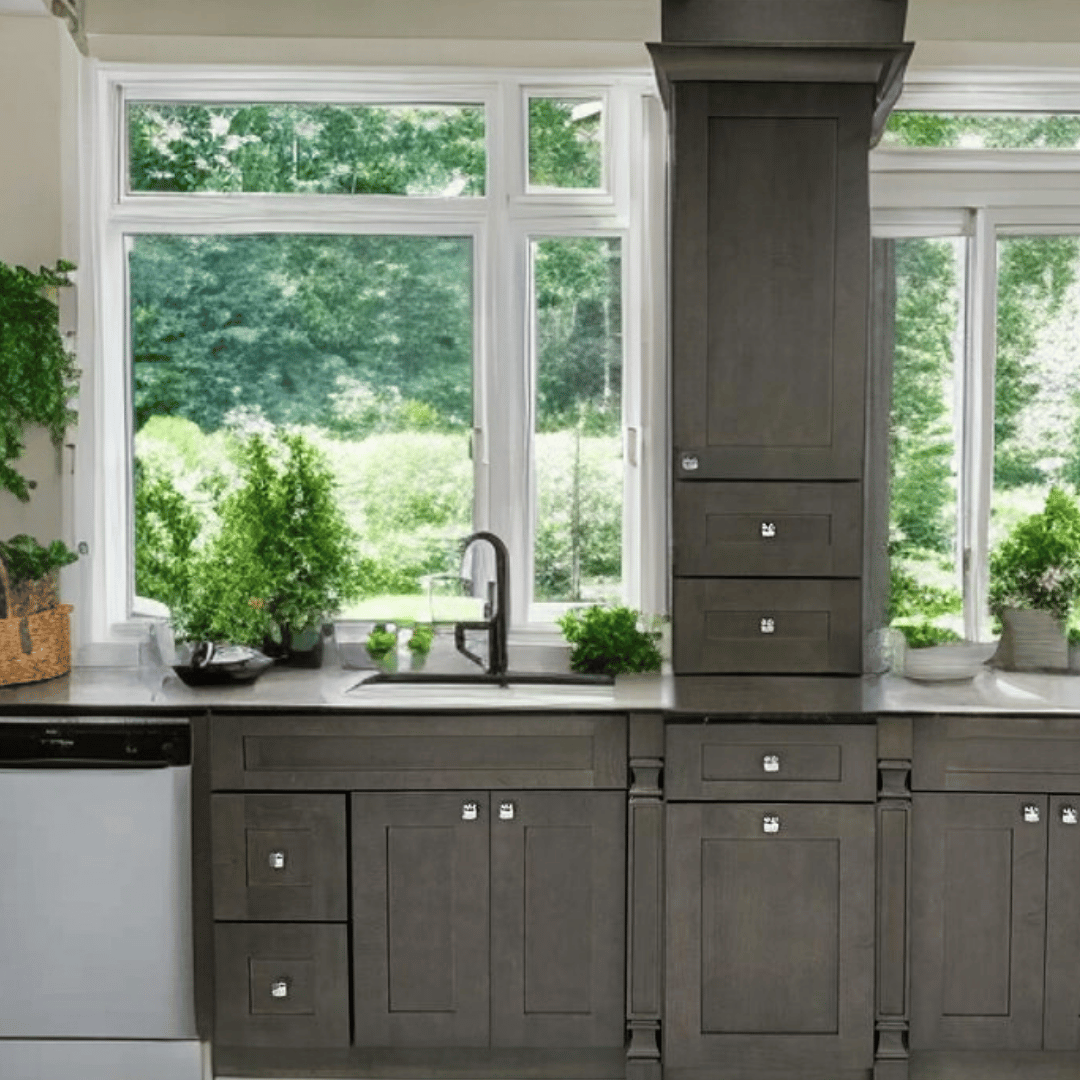
The Complete Guide to Transitional Kitchen Cabinet Design for Versatile Style
Planning a cabinet project in Chicagoland? CCC Cabinets is a wholesale-only supplier — browse the 15 in-stock door styles or open a trade account for wholesale pricing.
Key takeaways
- Transitional design bridges traditional warmth and modern simplicity — clean shaker profiles with classic proportions are its backbone.
- In-stock transitional-friendly CCC styles: Pure White, Millennium Grey and Shaker Blue — all stocked in Des Plaines as assembled or RTA.
- The guide below covers the key features, colour pairings and three real-layout examples.
In the world of interior design, the kitchen stands as a pivotal space where style and functionality converge. One of the most sought-after trends in kitchen design today is the transitional style, which blends traditional and contemporary aesthetics to create a versatile and timeless look. In this comprehensive guide, we will delve into the ins and outs of transitional kitchen cabinet design, exploring how it can elevate your kitchen’s appeal while maintaining practicality. If you’re considering a kitchen makeover or simply want to understand more about this design approach, you’re in the right place! By the end of this article, you’ll be equipped with the knowledge to make informed decisions about your kitchen cabinetry, ensuring that your space reflects both your personal style and functional needs.
Understanding Transitional Style
Transitional design marries the best of both worlds: the classic elegance of traditional design and the clean lines of contemporary aesthetics. This style is particularly appealing for homeowners who appreciate the warmth of traditional elements but also desire the simplicity and functionality of modern designs. In the context of kitchen cabinets, transitional styles often feature a mix of curved and straight lines, muted colors, and a variety of materials that work harmoniously together.
Transitional kitchens have gained immense popularity, driven by homeowners’ desire for spaces that are both stylish and functional. This trend is particularly evident in urban and suburban areas, where space is often at a premium. With transitional kitchen cabinets, you can achieve a seamless flow between different areas of your home, making them an ideal choice for open-concept living.
Key Features of Transitional Kitchen Cabinets
When it comes to transitional kitchen cabinets, several features set them apart from other styles. Understanding these characteristics can help you make informed choices when selecting cabinetry for your kitchen renovation.
- Balanced Design: Transitional cabinets often showcase a balanced mix of traditional and modern elements. This can include ornate details like crown molding paired with sleek, minimalist hardware.
- Versatile Color Schemes: Transitional designs typically utilize neutral color palettes, allowing for versatility in decor. Shades like soft whites, grays, and beiges are popular choices, often accented with darker hues for contrast.
- Quality Materials: Wood face frames and plywood boxes are a common choice for transitional cabinets, providing durability and a classic look. Additionally, materials such as laminate and MDF can be used for a more modern finish.
- Functional Layouts: Transitional kitchens prioritize functionality, with cabinets designed for optimal storage and ease of use. Features like pull-out shelves, lazy Susans, and soft-close mechanisms are common.
- Customizable Options: Many cabinet suppliers offer customizable options, allowing homeowners to select door styles, finishes, and hardware that align with their vision.
Benefits of Transitional Kitchen Cabinet Design
Transitional kitchen cabinets offer numerous advantages that make them an excellent choice for a wide range of homeowners. Here are some key benefits:
- Timeless Appeal: The balance of traditional and contemporary elements ensures that transitional kitchens remain stylish for years to come, reducing the need for frequent renovations.
- Enhanced Resale Value: Homes with well-designed transitional kitchens are often more appealing to potential buyers, which can translate into a higher resale value.
- Flexibility in Design: Whether you prefer a modern aesthetic or a more traditional look, transitional cabinets can adapt to various design preferences, making them suitable for any homeowner.
- Improved Functionality: With a focus on practicality, transitional cabinets often include features that enhance the usability of your kitchen, catering to the needs of everyday cooking and entertaining.
- Wide Range of Styles: From shaker to flat-panel doors, transitional cabinets come in a variety of styles, allowing you to choose a design that complements your home.
Choosing the Right Materials
When selecting transitional kitchen cabinets, the choice of materials plays a crucial role in achieving the desired aesthetic and functionality. Here are some popular materials to consider:
| Material | Advantages | Disadvantages |
|---|---|---|
| Hardwood | Durable, timeless appeal, can be refinished | Higher cost, may warp in humid conditions |
| Laminate | Cost-effective, easy to clean, available in various finishes | Less durable than wood, can chip or scratch |
| MDF (Medium Density Fiberboard) | Smooth finish, affordable, resistant to warping | Less durable than plywood, may not hold up well under heavy use |
| Plywood | Strong, lightweight, lower cost than hardwood | Can be prone to delamination if not properly sealed |
Each material has its own unique properties, so it’s essential to consider your budget, lifestyle, and design goals when making your selection.
Color Palettes and Finishes
Color selection is a critical aspect of transitional kitchen cabinet design. The right colors can create a cohesive look that ties your entire kitchen together. Popular color palettes for transitional kitchens include:
- Soft Neutrals: Shades like cream, beige, and light gray provide a warm and inviting backdrop.
- Contrasting Accents: Incorporating darker colors such as navy blue or charcoal can add depth and drama to your space.
- Two-Tone Cabinets: A growing trend in transitional design is the use of two-tone cabinetry, where upper and lower cabinets are painted in different colors for a striking visual effect.
When it comes to finishes, consider options such as matte, glossy, or satin, depending on the overall aesthetic you wish to achieve. Glossy finishes can add a modern touch, while matte finishes often lean more traditional.
Hardware and Accessories for Transitional Cabinets
The hardware you choose can significantly impact the overall look of your transitional kitchen. Here are some tips on selecting the right hardware:
- Choose Simple Designs: Opt for streamlined cabinet pulls and knobs that complement the clean lines of transitional cabinets.
- Mix Materials: Don’t be afraid to mix metals—brushed nickel, matte black, and polished brass can all coexist beautifully in a transitional space.
- Consider Size and Scale: Ensure that the hardware you select is proportionate to the size of your cabinets and drawers for a balanced look.
Design Tips for Transitional Kitchens
Creating a successful transitional kitchen requires thoughtful planning and design. Here are some expert tips to help you achieve the perfect look:
1. Plan for Open Spaces: With the popularity of open-concept living, ensure your kitchen flows seamlessly into adjacent spaces. Transitional kitchens should feel cohesive with surrounding areas.
2. Incorporate Natural Light: Maximize natural light with large windows or skylights to create an inviting atmosphere that highlights your cabinetry.
3. Add Personal Touches: Incorporate personal elements, such as artwork or decorative accessories, to make the space feel uniquely yours.
4. Prioritize Functionality: Ensure that your cabinet design includes practical features such as pull-out shelves and built-in organizers to enhance usability.
Case Studies and Examples
To illustrate the versatility of transitional kitchen cabinet design, let’s explore a few case studies:
Example 1: Urban Chic
A Chicago-based contractor transformed a small, dated kitchen into a modern masterpiece by using transitional cabinets in a soft gray finish. The homeowner opted for sleek brushed nickel hardware and an open shelving concept, effectively creating a spacious feel in a compact area.
Example 2: Suburban Family Home
In a suburban home, a remodel featured classic white shaker cabinets paired with a navy blue island. This two-tone approach added character to the kitchen while maintaining a transitional aesthetic. The use of quartz countertops and pendant lighting further enhanced the overall design.
Example 3: Rustic Elegance
A multi-family development in the North Shore Chicago area showcased transitional cabinets with rustic wood finishes. This design combined modern appliances with traditional cabinetry, creating a warm and inviting space for families.
Frequently Asked Questions
1. What is transitional kitchen design?
Transitional kitchen design blends traditional and contemporary styles, creating a versatile and timeless look.
2. What are the key features of transitional kitchen cabinets?
Key features include balanced design elements, versatile color schemes, quality materials, functional layouts, and customizable options.
3. What materials are best for transitional cabinets?
Popular materials include hardwood, laminate, MDF, and plywood, each offering unique advantages and disadvantages.
4. How do I choose colors for my transitional kitchen?
Consider soft neutrals for a warm backdrop, contrasting accents for depth, and two-tone cabinets for added visual interest.
5. What types of hardware are suitable for transitional cabinets?
Simple designs, mixed materials, and appropriately sized hardware are ideal for transitional cabinetry.
6. How can I enhance the functionality of my transitional kitchen?
Incorporate practical features such as pull-out shelves, built-in organizers, and a well-planned layout to improve usability.
7. What trends are currently popular in transitional kitchen design?
Popular trends include two-tone cabinetry, natural materials, and open shelving concepts.
8. Where can I find wholesale kitchen cabinets for my transitional design?
For high-quality transitional kitchen cabinets at wholesale prices, consider visiting local suppliers like CCC Cabinets, which offers a range of options.
As you embark on your journey toward a beautifully designed transitional kitchen, remember that the key lies in balancing aesthetics with functionality. By choosing the right materials, colors, and features, you can create a space that not only looks stunning but also serves your family’s needs. For more insights into cabinetry options, explore our cabinet collections or schedule a consultation with our experts today!
More in Cabinet Guides
Sourcing cabinets for a Chicagoland project?
CCC Cabinets supplies 15 door styles — including Shaker Blue cabinets — at wholesale prices from our Des Plaines, IL warehouse. Confirm availability for your door style, then choose warehouse pickup near O’Hare or scheduled delivery across Chicagoland.
Door styles to explore: Shaker Blue · Pure White · Light Grey
Browse all cabinet styles · Open a dealer account · Call (872) 241-5525 · Talk to our team