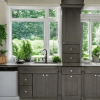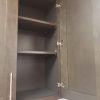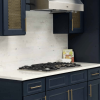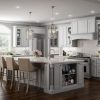
The Complete Guide to Kitchen Cabinet Open Shelving vs. Closed Storage
When planning a kitchen renovation or remodel, one of the most significant decisions you’ll face is whether to opt for open shelving or closed storage options. Both designs come with distinct advantages and disadvantages that can significantly affect your kitchen’s functionality, aesthetics, and overall organization. In this comprehensive guide, we will explore the pros and cons of open shelving against closed storage, helping you make an informed choice that suits your needs and style.
Whether you are a contractor, builder, or a homeowner, understanding the nuances of kitchen cabinetry can elevate your kitchen design to new heights. This guide will provide you with insights into the best practices for selecting kitchen cabinets, including how to balance aesthetics with practicality. We’ll also delve into the materials, styles, and maintenance associated with both options to ensure that your kitchen remains both beautiful and functional.
Understanding Open Shelving
Open shelving has gained tremendous popularity in modern kitchen designs, offering a fresh and airy aesthetic. Open shelves are typically mounted on walls without cabinets, allowing for easy access to kitchen items and showcasing decorative dishware, plants, and cookbooks.
One of the primary appeals of open shelving is its ability to create a sense of spaciousness in the kitchen. When designed effectively, open shelves can make a kitchen feel larger and more inviting. Homeowners often choose this option to display beautiful dishware or unique kitchen accessories that reflect their personal style.
Pros of Open Shelving
- Accessibility: Items stored on open shelves are easy to access, reducing the time spent searching for kitchen essentials.
- Visual Appeal: Open shelving allows for creative display opportunities, making your kitchen more visually engaging.
- Cost-Effective: Open shelving often requires fewer materials than traditional cabinets, potentially reducing renovation costs.
- Customization: Homeowners can easily rearrange and customize items displayed on open shelves without the constraints of cabinet doors.
Cons of Open Shelving
- Dust Accumulation: Open shelves require regular cleaning, as dust can quickly accumulate on items.
- Lack of Concealment: Not all kitchen items are aesthetically pleasing. Open shelving can expose clutter and disorganization.
- Limited Storage Capacity: Open shelves may not provide sufficient space for all kitchen items, especially in smaller kitchens.
- Maintenance: The items on open shelves need to be organized and maintained to avoid looking cluttered.
Exploring Closed Storage Options
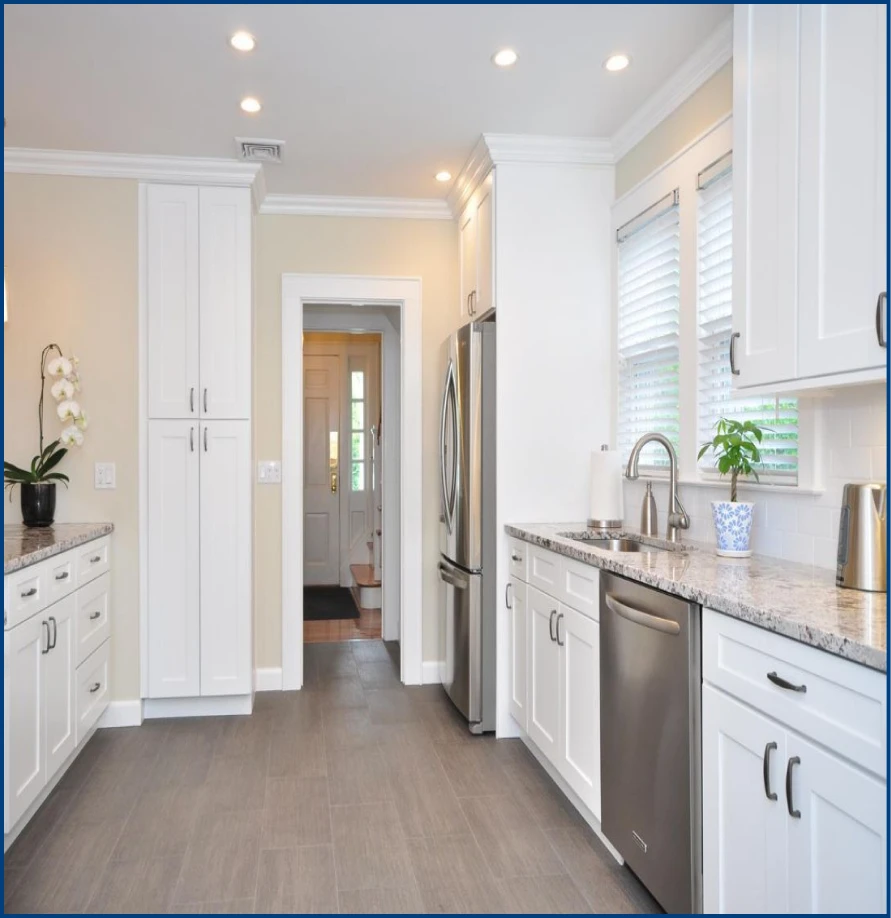
Closed storage, often seen in traditional cabinetry, consists of kitchen cabinets with doors that conceal the contents. This design is classic and functional, providing a clean look that appeals to many homeowners.
Closed storage allows for efficient organization, enabling homeowners to store kitchen items out of sight. This can create a more streamlined and cohesive appearance in the kitchen, especially when using cabinetry that matches the overall decor.
Pros of Closed Storage
- Organization: Closed cabinets keep kitchen items neatly organized and out of sight, reducing visual clutter.
- Dust Protection: Items stored in closed cabinets are less likely to accumulate dust and grime.
- Increased Storage Capacity: Cabinets can maximize vertical space and provide ample storage for various kitchen items.
- Customization Options: Closed cabinets can feature adjustable shelves and various configurations to meet specific storage needs.
Cons of Closed Storage
- Accessibility: Items stored in closed cabinets may require more time and effort to access.
- Cost: Closed cabinetry can be more expensive than open shelving, depending on materials and finishes.
- Less Visual Interest: Closed cabinets may lack the visual appeal and personalization that open shelving offers.
- Maintenance: Cabinets can require regular upkeep, such as cleaning and checking for wear and tear.
Key Differences Between Open Shelving and Closed Storage
| Feature | Open Shelving | Closed Storage |
|---|---|---|
| Accessibility | Easy access to items | Items may require opening doors |
| Visual Appeal | Allows for creative displays | Provides a clean, cohesive look |
| Maintenance | Regular cleaning needed | Less frequent cleaning required |
| Storage Capacity | Limited storage space | Maximized vertical storage |
| Dust Protection | Exposed to dust | Protected from dust accumulation |
Choosing the Right Option for Your Kitchen
When deciding between open shelving and closed storage, consider the following factors:
1. Kitchen Size and Layout
In smaller kitchens, open shelving can create an illusion of space, while larger kitchens may benefit from the organization of closed storage.
2. Lifestyle and Usage
Consider how you use your kitchen. If you frequently cook and need quick access to ingredients, open shelving may be more practical. However, if you prefer a tidy appearance and have many items to store, closed cabinets might be the better choice.
3. Aesthetic Preferences
Your kitchen’s design style should also influence your decision. Open shelving aligns well with modern and rustic designs, while closed cabinets can be tailored to any style.
4. Maintenance Willingness
Assess your willingness to maintain open shelves. If you prefer low-maintenance options, closed storage may be more suitable.
Maintenance Tips for Open Shelving and Closed Storage
Open Shelving Maintenance
- Regularly dust items on the shelves to prevent accumulation.
- Organize items by type and frequency of use for easy access.
- Consider using decorative containers to keep smaller items contained.
Closed Storage Maintenance
- Check cabinet doors for alignment and functionality regularly.
- Clean cabinet surfaces with appropriate cleaners to maintain appearance.
- Organize contents based on frequency of use for ease of access.
Expert Insights and Recommendations
As a leading cabinet supplier in Des Plaines, we recommend a hybrid approach for many kitchens. Combining open shelving with closed storage can provide the best of both worlds, allowing you to showcase decorative items while keeping essential kitchen tools out of sight. Here are some expert insights:
Additionally, when selecting cabinetry, consider the materials and finishes. Solid wood cabinets provide durability and timeless appeal, making them a smart investment for any kitchen. For more on selecting the right cabinet materials, check out our guide on kitchen cabinet materials.
FAQs
1. What are the advantages of open shelving in kitchens?
Open shelving provides easy accessibility to kitchen items, allows for creative display opportunities, and can create an open and airy feel in the kitchen.
2. How do I keep open shelves organized?
Organize items by type, use decorative containers for smaller items, and regularly assess the contents to maintain an organized appearance.
3. Are closed cabinets better for small kitchens?
Closed cabinets can maximize vertical space and provide a more organized appearance, making them an excellent option for small kitchens.
4. How can I prevent dust from accumulating on open shelves?
Regularly dust items and consider placing less frequently used items on higher shelves to minimize exposure.
5. Can I mix open shelving and closed storage?
Yes, a hybrid approach can provide the benefits of both styles, allowing you to showcase decorative items while keeping essential tools concealed.
6. What materials are best for kitchen cabinets?
Solid wood cabinets are highly recommended for their durability, aesthetic appeal, and long-lasting performance.
7. How often should I clean my kitchen cabinets?
Closed cabinets should be cleaned regularly, but open shelves require more frequent cleaning due to dust accumulation.
8. What style of cabinet is best for a modern kitchen?
Modern kitchens often feature sleek, minimalist designs, making flat-panel cabinets or open shelving a popular choice.
Conclusion
Choosing between open shelving and closed storage in your kitchen ultimately comes down to your personal preferences, lifestyle, and the specific needs of your space. Both options offer unique benefits that can enhance your cooking and dining experience. By considering the factors discussed in this guide, you can create a kitchen that is not only functional but also reflects your style and taste. For high-quality kitchen cabinets in the Chicago area, explore our extensive selection at CCC Cabinets.
More in Hardware & Function
Sourcing cabinets for a Chicagoland project?
CCC Cabinets stocks 15 in-stock door styles — including Mini White Shaker cabinets — at wholesale prices in our Des Plaines, IL warehouse. Same-day pickup near O’Hare and scheduled delivery across Chicagoland.
In stock now: Mini White Shaker · Matcha Latte · Shaker Blue
Browse all cabinet styles · Open a dealer account · Call (872) 241-5525 · Talk to our team