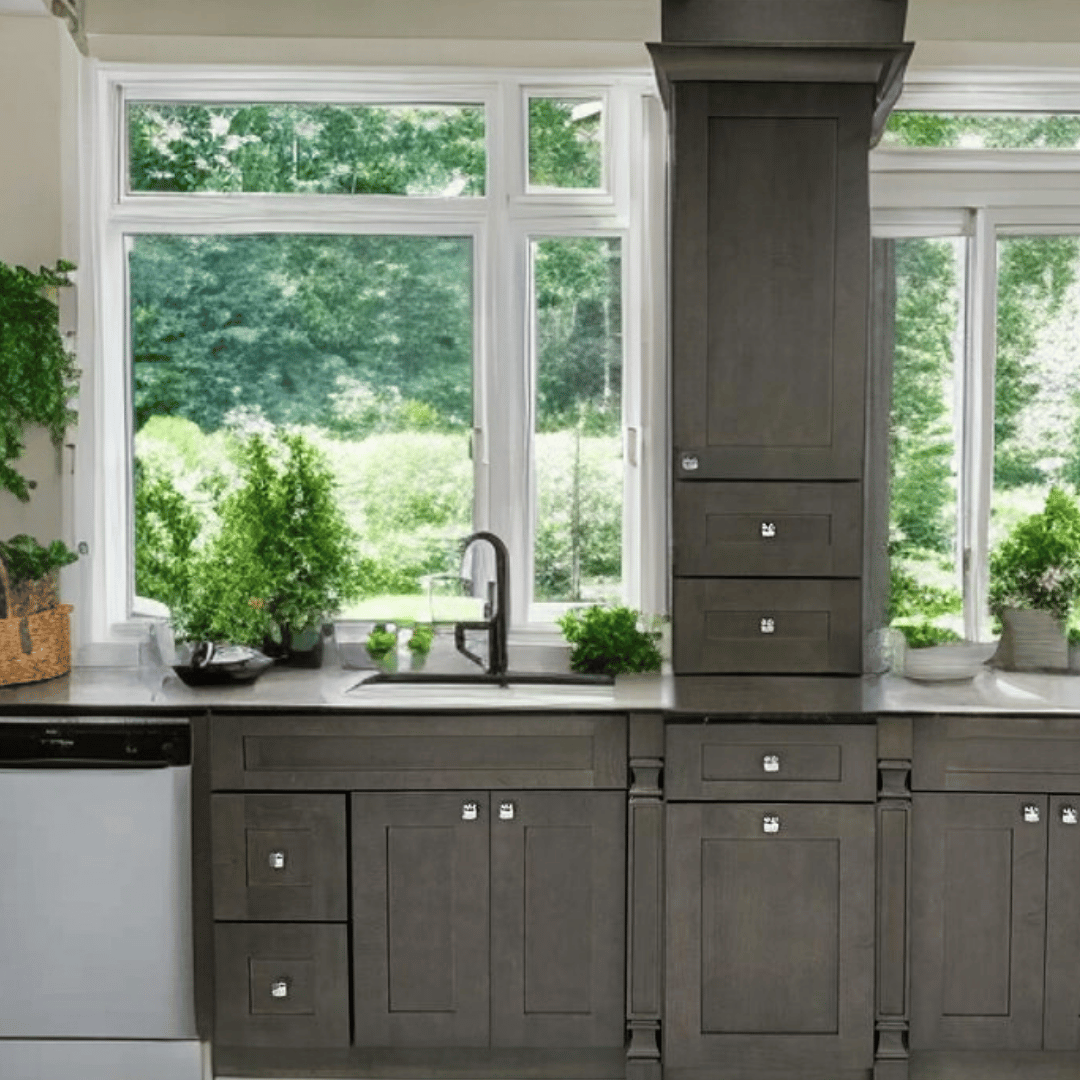
How Kitchen Cabinet Fillers and End Panels Create a Custom Built-In Appearance
When it comes to achieving a stunning, custom-built look for your kitchen, the details matter immensely. Kitchen cabinet fillers and end panels play a crucial role in this equation, offering not only aesthetic benefits but also functional advantages. In this comprehensive guide, we’ll explore how these components can transform your kitchen cabinetry into a seamless, integrated design. By the end of this article, you’ll understand the importance of these elements, how to choose the right options, and how they can enhance the overall appearance of your kitchen. Whether you’re a contractor looking for reliable cabinetry solutions or a homeowner planning a renovation, this article will provide you with the insights you need to make informed decisions.
Understanding Kitchen Cabinet Fillers
Kitchen cabinet fillers are narrow pieces of material used to fill gaps between cabinets and walls, appliances, or other cabinetry. They are essential for achieving a polished, professional look while ensuring that your cabinets fit snugly into your kitchen layout. Fillers can be made from various materials, including solid wood, plywood, or particle board, and can be finished to match or complement your cabinet doors.
In addition to their aesthetic role, cabinet fillers serve several practical purposes:
- Space Optimization: They help utilize every inch of space in your kitchen, ensuring that no gap goes unused.
- Structural Support: Fillers can provide additional support for heavy cabinets or countertops.
- Customization: They allow for a more tailored look, making your cabinetry appear built-in and cohesive.
The Role of End Panels in Cabinetry
End panels are large, flat panels that are attached to the sides of cabinets, typically at the ends of a cabinet run. They serve two primary functions: they enhance the visual appeal of your cabinetry and provide structural stability. End panels can be made from the same material as your cabinets or can be a contrasting finish for a more dynamic look.
Here are some key benefits of using end panels:
- Aesthetic Harmony: End panels help create a seamless transition between your cabinets and the surrounding walls or appliances.
- Durability: They protect the sides of your cabinets from damage and wear.
- Design Flexibility: Available in various styles and finishes, end panels can be customized to match your design vision.
Benefits of Using Fillers and Panels
Integrating kitchen cabinet fillers and end panels into your design offers numerous benefits, including:
1. Enhanced Visual Appeal
Fillers and end panels contribute to a custom-built appearance by eliminating unsightly gaps and providing a polished finish. This attention to detail elevates the overall look of your kitchen, making it feel more cohesive and professionally done.
2. Increased Functionality
Fillers can be designed to include functional features, such as pull-out shelves or spice racks, maximizing storage space and improving accessibility.
3. Improved Structural Integrity
Both fillers and end panels enhance the durability of cabinetry by providing additional support and protection from wear and tear.
4. Customization Options
With various styles, materials, and finishes available, you can tailor fillers and end panels to match your unique design preferences.
Choosing the Right Fillers and Panels
Selecting the right fillers and end panels is crucial for achieving your desired look and functionality. Here are some factors to consider:
1. Material Selection
Choose materials that match or complement your cabinets. Options include solid wood, MDF, and laminate. Solid wood offers durability and a classic look, while laminate can provide a modern touch at a lower cost.
2. Style and Finish
Consider the style of your kitchen. For a traditional look, opt for raised panel fillers and end panels. For a more contemporary design, flat panels may be more suitable.
3. Dimensions and Fit
Ensure that the fillers and panels fit correctly in the designated spaces. Measure carefully to avoid gaps or misalignment.
4. Functionality
If you wish to incorporate storage solutions, consider fillers designed for functionality, such as pull-out shelves or built-in spice racks.
Installation Tips for Fillers and Panels
Proper installation is key to achieving a seamless look with your kitchen cabinets. Here are some expert tips:
1. Prepare the Area
Clear the area and ensure that the surfaces are clean and level before installation.
2. Measure Accurately
Double-check all measurements to ensure that fillers and end panels fit perfectly.
3. Use Quality Fasteners
Use high-quality screws and brackets to secure fillers and panels in place, ensuring stability and longevity.
4. Finish the Edges
Consider adding trim or molding to the edges of fillers and panels for a more polished appearance.
Comparison of Options
| Feature | Fillers | End Panels |
|---|---|---|
| Material Options | Solid wood, MDF, laminate | Solid wood, laminate, plywood |
| Primary Function | Filling gaps, enhancing storage | Aesthetic appeal, structural support |
| Design Flexibility | High | Moderate to high |
| Installation Complexity | Moderate | Moderate to high |
FAQ Section
1. What are kitchen cabinet fillers?
Kitchen cabinet fillers are narrow pieces of material used to fill gaps between cabinets and other structures, enhancing the overall appearance and functionality of the cabinetry.
2. What is the purpose of end panels in cabinetry?
End panels provide a finished look to the sides of cabinets and offer structural support, protecting the edges from damage.
3. How do fillers and end panels enhance kitchen design?
Fillers and end panels create a cohesive, built-in appearance by eliminating gaps and providing a polished finish.
4. Can I use different materials for fillers and end panels?
Yes, you can mix materials, but it’s best to ensure they complement each other for a cohesive look.
5. Are fillers necessary for kitchen cabinets?
While not mandatory, fillers are highly recommended for achieving a professional, finished appearance.
6. How do I choose the right style for fillers and end panels?
Consider your kitchen’s overall design style, material choices, and desired functionality when selecting styles.
7. Can fillers be functional?
Yes, fillers can be designed with features like pull-out shelves or spice racks to improve storage efficiency.
8. What should I consider during installation?
Measure accurately, use quality fasteners, and ensure the area is prepared before installation.
Conclusion
Incorporating kitchen cabinet fillers and end panels is an excellent way to achieve a custom built-in appearance that enhances the overall design and functionality of your kitchen. By understanding the roles of these components, selecting the right materials, and ensuring proper installation, you can transform your kitchen into a beautiful and efficient space. For contractors and builders in the Chicagoland area, CCC Cabinets offers a wide selection of high-quality cabinetry options that can fulfill all your needs. Explore our cabinet collections today and see how we can help you create stunning kitchen spaces.
More in Cabinet Guides
Sourcing cabinets for a Chicagoland project?
CCC Cabinets stocks 15 in-stock door styles — including Mini White Shaker cabinets — at wholesale prices in our Des Plaines, IL warehouse. Same-day pickup near O’Hare and scheduled delivery across Chicagoland.
In stock now: Mini White Shaker · Espresso Shaker · Shaker Blue
Browse all cabinet styles · Open a dealer account · Call (872) 241-5525 · Talk to our team