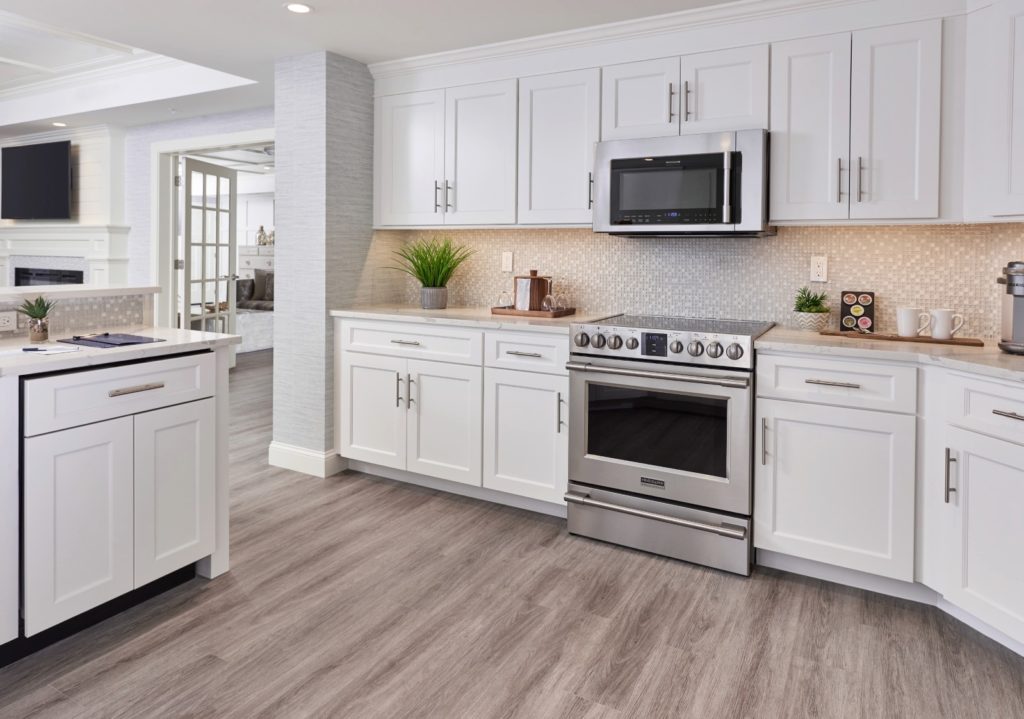
Enhancing Function and Ambiance: The Ultimate Guide to Kitchen Cabinet Lighting
In today’s modern kitchen, lighting serves as more than just a practical necessity; it plays a pivotal role in enhancing both the functionality and ambiance of the space. When it comes to kitchen design, the right lighting can transform ordinary cabinets into stunning focal points while facilitating a functional workspace. This article will explore how kitchen cabinet lighting enhances both function and ambiance, making it essential for homeowners, contractors, and builders alike, especially in bustling areas like Chicago. We will cover various aspects, including types of lighting, installation tips, and design considerations, to ensure you can make informed decisions for your kitchen renovation or new construction project.
Understanding Kitchen Cabinet Lighting
Kitchen cabinet lighting refers to the various lighting options used to illuminate the spaces above, below, and within kitchen cabinets. This type of lighting can include under-cabinet lighting, in-cabinet lighting, and accent lighting, each serving a unique purpose. Understanding the different facets of kitchen cabinet lighting is vital for achieving both aesthetic appeal and practical functionality.
When designed effectively, kitchen cabinet lighting can significantly enhance visibility while cooking and performing other tasks. It can also create a welcoming atmosphere, making the kitchen a more enjoyable space for family gatherings and entertaining guests. At CCC Cabinets, we understand the importance of lighting in kitchen design and offer a wide range of cabinetry options that complement various styles and lighting schemes.
Types of Kitchen Cabinet Lighting
There are several types of kitchen cabinet lighting to consider, each with its unique benefits:
- Under-Cabinet Lighting: This type of lighting is installed beneath the upper cabinets and provides direct illumination to the countertop below. It is essential for tasks like chopping vegetables or reading recipes.
- In-Cabinet Lighting: Installed inside cabinets, this lighting option is ideal for showcasing dishware, glassware, or decorative items. It adds a stylish touch to your kitchen while making it easier to find items stored in cabinets.
- Accent Lighting: Accent lighting can include LED strips or spotlights that highlight architectural features or artwork within the kitchen. This type of lighting enhances the overall ambiance and creates a visually appealing atmosphere.
- Pendants and Chandeliers: These fixtures can be hung over kitchen islands or dining areas to provide general lighting while also serving as decorative elements.
Choosing the right combination of these lighting types is crucial for achieving a well-lit and inviting kitchen space.
Benefits of Proper Kitchen Cabinet Lighting
Proper kitchen cabinet lighting offers numerous benefits that extend beyond mere aesthetics. Here are some key advantages:
1. Improved Visibility
Good lighting is vital for safety and efficiency in the kitchen. Under-cabinet lighting, for example, illuminates work surfaces, reducing the risk of accidents while cooking. According to the National Safety Council, proper lighting can help prevent kitchen-related injuries, making it a crucial consideration for every kitchen renovation.
2. Enhanced Ambiance
Lighting sets the mood of a space. Soft, warm lighting can create a cozy atmosphere for family gatherings, while brighter lights are ideal for meal prep and cooking. By using a combination of different lighting types, you can create a versatile environment that adapts to various activities.
3. Aesthetic Appeal
Well-designed lighting can highlight the beauty of your kitchen cabinets. Whether you choose to showcase the rich wood grain of solid wood kitchen cabinets or the sleek lines of modern cabinetry, the right lighting can enhance their visual impact. For more insights on choosing the perfect cabinet styles, check out our guide on transforming your space with luxury cabinetry.
4. Increased Property Value
Investing in quality kitchen cabinet lighting can boost your home’s resale value. Potential buyers are often attracted to homes with well-lit, functional kitchens that offer a modern aesthetic. A well-planned lighting scheme demonstrates that you have taken the time and effort to create an inviting space.
5. Energy Efficiency
Modern LED lighting options are energy-efficient, allowing you to illuminate your kitchen without significantly increasing your energy bills. According to the U.S. Department of Energy, LED lights use at least 75% less energy than incandescent lighting, making them an eco-friendly choice for your home.
How to Choose the Right Lighting for Your Cabinets
When selecting kitchen cabinet lighting, consider the following factors:
1. Purpose and Functionality
Determine the primary purpose of the lighting. Will it be used mainly for task lighting, accent lighting, or both? Understanding the intended use will guide your selection process.
2. Style and Aesthetics
Choose lighting that complements your kitchen’s overall design. For instance, if you have modern cabinetry, sleek LED strip lights may be ideal, while traditional kitchens may benefit from decorative fixtures.
3. Color Temperature
The color temperature of your lighting can influence the mood of your kitchen. Warmer tones (2700K-3000K) create a cozy atmosphere, while cooler tones (4000K-5000K) are more energizing and suitable for task-oriented areas.
4. Installation Options
Consider whether you prefer hardwired fixtures or plug-in options. Hardwired fixtures generally offer a cleaner look, while plug-ins are easier to install and can be more versatile.
Installation Tips for Kitchen Cabinet Lighting
Proper installation is crucial for maximizing the benefits of kitchen cabinet lighting. Here are some tips to ensure a successful installation:
1. Plan Your Layout
Before installation, create a lighting layout that outlines where each fixture will be placed. Consider the height of the cabinets, the layout of your kitchen, and the areas that require the most illumination.
2. Use a Dimmer Switch
Installing dimmer switches allows you to adjust the brightness of your cabinet lighting based on the time of day or activity. This feature enhances flexibility and can contribute to energy savings.
3. Follow Manufacturer Instructions
Always adhere to the manufacturer’s instructions for installation. This ensures that the fixtures are installed correctly and safely.
4. Test Before Finalizing
Once installed, test the lighting to ensure it meets your needs. Check for any dark spots or areas that may require additional lighting.
Design Considerations for Kitchen Lighting
Designing your kitchen lighting involves more than just selecting fixtures. Here are some key considerations:
1. Layered Lighting
Incorporate layered lighting by combining ambient, task, and accent lighting. This approach creates a balanced and versatile lighting scheme that caters to various activities.
2. Maintain Consistency
Ensure that your lighting fixtures maintain a consistent style throughout the kitchen. This creates a cohesive look and enhances the overall design.
3. Use Lighting as a Focal Point
Consider using distinctive lighting fixtures as focal points in your kitchen. For example, a stunning pendant light over an island can draw attention and add character to the space.
4. Consider Energy Efficiency
Opt for energy-efficient lighting options to reduce your carbon footprint and energy costs. LED lights are an excellent choice for both their longevity and efficiency.
Conclusion
In conclusion, kitchen cabinet lighting is a crucial element that enhances both function and ambiance in your kitchen. By understanding the different types of lighting, their benefits, and how to choose and install them effectively, homeowners and contractors can create a kitchen that is both beautiful and highly functional. If you’re considering a kitchen remodel or new construction, it’s essential to include lighting in your design plans. For exceptional cabinetry solutions that pair perfectly with your lighting choices, explore our in-stock cabinet collections at CCC Cabinets.
FAQs
1. What is the best type of lighting for kitchen cabinets?
The best type of lighting for kitchen cabinets includes under-cabinet lighting for task illumination and in-cabinet lighting for showcasing items. A combination of both is often ideal.
2. How do I install under-cabinet lighting?
To install under-cabinet lighting, plan your layout, choose your fixtures, and follow the manufacturer’s instructions for installation. Testing the lights before finalizing is essential.
3. Can LED lights be used for kitchen cabinet lighting?
Yes, LED lights are an excellent choice for kitchen cabinet lighting due to their energy efficiency, longevity, and variety of color temperatures.
4. How can I create ambiance with kitchen cabinet lighting?
Create ambiance by using warm-colored bulbs, incorporating dimmer switches, and combining different types of lighting to suit various activities and moods.
5. What color temperature is best for kitchen lighting?
Warm color temperatures (2700K-3000K) are ideal for creating a cozy atmosphere, while cooler temperatures (4000K-5000K) are suitable for task-oriented areas.
6. How do I choose the right fixtures for my kitchen?
Choose fixtures that complement your kitchen’s overall design, consider their purpose, and ensure they provide adequate illumination for your tasks.
7. Is professional installation necessary for kitchen cabinet lighting?
While professional installation is not always necessary, it can ensure that the lighting is safely and correctly installed, especially for hardwired fixtures.
8. How can I enhance the visibility in my kitchen with lighting?
Enhance visibility by using a combination of task lighting, such as under-cabinet lights, and ambient lighting to illuminate the entire space effectively.
More in Cabinet Guides
Sourcing cabinets for a Chicagoland project?
CCC Cabinets supplies 15 door styles — including Light Grey cabinets — at wholesale prices from our Des Plaines, IL warehouse. Confirm availability for your door style, then choose warehouse pickup near O’Hare or scheduled delivery across Chicagoland.
Door styles to explore: Light Grey · Matcha Latte · Black Roast
Browse all cabinet styles · Open a dealer account · Call (872) 241-5525 · Talk to our team