
The Evolution of Cabinet Color Trends: Timeless Finishes Explained
When it comes to kitchen design, the color of your cabinets can significantly influence the overall aesthetic and functionality of the space. Understanding how cabinet color trends evolve and why certain finishes remain timeless is crucial for homeowners and contractors alike. In this comprehensive guide, we will explore the historical context of cabinet colors, the factors driving current trends, and the enduring appeal of classic finishes. Whether you’re a general contractor, a builder, or a homeowner looking to remodel, this article will provide valuable insights into making informed decisions about cabinet colors in your next project.
1. The Historical Context of Cabinet Colors
Cabinet colors have evolved dramatically over the centuries, reflecting changes in design philosophies, cultural influences, and technological advancements. In the early 20th century, natural wood finishes dominated kitchen design, showcasing the beauty of raw materials. However, as the mid-century modern movement took hold, bright colors and bold patterns began to emerge, signaling a shift towards a more expressive approach to interior design.
For example, the introduction of laminate materials in the 1950s allowed for a wider range of colors and finishes, leading to the popularity of vibrant hues like turquoise and yellow. This era also saw the rise of the Shaker style, which emphasized simplicity and functionality, often featuring muted colors that complemented the natural wood tones.
2. Factors Influencing Cabinet Color Trends
Several key factors influence the evolution of cabinet color trends, including:
- Design Movements: Each design movement, from Arts and Crafts to Minimalism, has its unique color palette that reflects its values and aesthetics.
- Technological Advancements: Innovations in paint and finish technology have expanded the range of color options available, allowing for more durable and vibrant finishes.
- Consumer Preferences: Homeowners’ tastes evolve over time, influenced by popular culture, media, and social trends.
- Environmental Considerations: The growing emphasis on sustainability has led to a preference for eco-friendly paints and finishes, often in neutral or muted shades.
3. Current Trends in Cabinet Colors
Several cabinet color trends are reshaping kitchen designs across the Midwest and beyond:
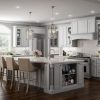
- Soft Neutrals: Shades like soft white, beige, and light gray are gaining popularity for their versatility and timelessness. These colors create a serene backdrop that allows other design elements to shine.
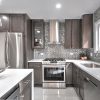
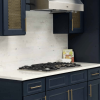
- Bold Colors: Deep hues such as navy blue, forest green, and charcoal gray are increasingly favored for their dramatic impact and ability to create focal points within the kitchen.
- Two-Tone Cabinets: The trend of pairing contrasting cabinet colors, such as dark lowers with light uppers, offers a modern twist on traditional designs and enhances visual interest.
- Natural Finishes: Solid wood cabinets with clear finishes are making a comeback as homeowners seek to reconnect with nature and embrace organic aesthetics.
Current Color Trends Comparison
| Color Trend | Description | Popular Combinations |
|---|---|---|
| Soft Neutrals | Versatile and calming shades that create a serene atmosphere. | Pair with vibrant backsplashes or decorative hardware. |
| Bold Colors | Deep hues that add drama and sophistication. | Complement with lighter countertops or flooring. |
| Two-Tone Cabinets | Contrasting colors that enhance visual depth. | Dark lowers with light uppers for balanced aesthetics. |
| Natural Finishes | Showcases the beauty of wood grain and texture. | Pair with earthy tones for a cohesive look. |
4. The Timeless Appeal of Certain Finishes
While trends come and go, some cabinet finishes remain timeless, providing enduring appeal and versatility. Here are a few finishes that have stood the test of time:
- White Cabinets: White cabinets are a classic choice that never goes out of style. They create a clean and airy feel, making small kitchens appear larger and more open. White cabinets also serve as a blank canvas for various design styles, from modern to traditional.
- Shaker Style Cabinets: Known for their simple, clean lines, Shaker cabinets are a popular choice for both contemporary and traditional kitchens. Their timeless design allows for various color options, making them adaptable to changing trends.
- Natural Wood Finishes: Solid wood cabinets with natural finishes exude warmth and authenticity. They bring a touch of nature indoors and are often favored for their durability and longevity.
- Gray Cabinets: Gray has emerged as a modern neutral that pairs well with various color schemes. Its versatility makes it an excellent choice for contemporary kitchens.
5. Choosing the Right Cabinet Color for Your Space
Choosing the perfect cabinet color involves considering several factors:
- Lighting: The amount of natural and artificial light in your kitchen can significantly affect how colors appear. Always test samples in different lighting conditions.
- Style and Theme: Consider your overall kitchen style and theme. For a modern look, opt for bold colors or sleek finishes, while traditional spaces may benefit from muted tones or natural wood.
- Complementary Colors: Ensure that your cabinet color complements other elements in your kitchen, such as countertops, backsplashes, and flooring.
6. FAQs
1. What are the most popular cabinet colors for 2023?
The most popular cabinet colors for 2023 include soft neutrals like white and gray, bold colors like navy and forest green, and natural wood finishes.
2. How do I choose the right cabinet color for my kitchen?
Consider factors such as lighting, overall style, and complementary colors when choosing the right cabinet color. Testing samples in your kitchen is also recommended.
3. Are white cabinets still in style?
Yes, white cabinets remain a classic and timeless choice, providing versatility and a clean aesthetic.
4. What is the benefit of two-tone cabinets?
Two-tone cabinets create visual interest and depth in the kitchen, allowing for creative combinations of colors.
5. How can I make small kitchens appear larger with cabinet colors?
Opt for light colors, such as white or soft neutrals, to create an airy feel and visually expand the space.
6. What type of finish is best for kitchen cabinets?
Durable finishes, such as semi-gloss or satin, are recommended for kitchen cabinets as they withstand daily use and are easy to clean.
7. Do natural wood finishes require special maintenance?
Yes, natural wood finishes may require periodic refinishing and should be cleaned with gentle products to maintain their appearance.
8. Can I mix cabinet colors in my kitchen design?
Absolutely! Mixing cabinet colors can create a unique and personalized look, just ensure the colors complement each other.
Conclusion
Understanding the evolution of cabinet color trends and the timeless appeal of certain finishes is essential for making informed design choices. As you plan your next kitchen project, consider how these trends can enhance your space while reflecting your personal style. Whether you opt for classic white cabinets, bold colors, or natural wood finishes, partnering with a reliable cabinet supplier like CCC Cabinets can ensure you have access to high-quality options that meet your needs. With our extensive selection of kitchen cabinets and unwavering commitment to quality, we are here to help you transform your kitchen into the space of your dreams.
More in Trends & Design
Sourcing cabinets for a Chicagoland project?
CCC Cabinets supplies 15 door styles — including Mini White Shaker cabinets — at wholesale prices from our Des Plaines, IL warehouse. Confirm availability for your door style, then choose warehouse pickup near O’Hare or scheduled delivery across Chicagoland.
Door styles to explore: Mini White Shaker · Shaker Blue · Light Grey
Browse all cabinet styles · Open a dealer account · Call (872) 241-5525 · Talk to our team