
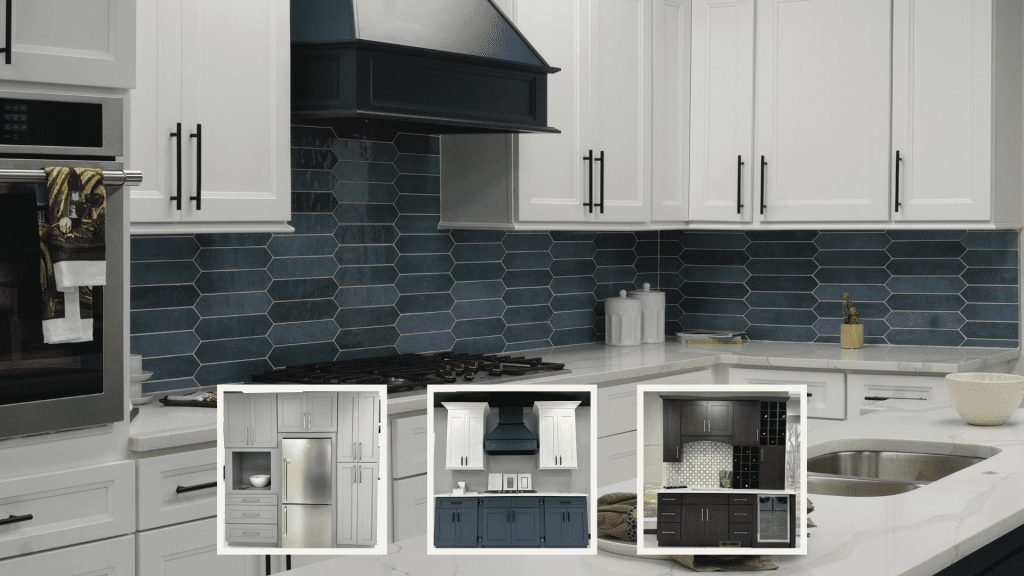
How to Build a 5-Year Cabinet Procurement Strategy for Your Chicago Business
Creating a robust procurement strategy for cabinets is essential for any business involved in construction, remodeling, or design in Chicago. As a contractor, builder, or cabinet dealer, understanding the nuances of a well-structured procurement plan can lead to significant cost savings, enhanced efficiency, and improved project outcomes. This guide will walk you through the critical steps to develop a 5-year cabinet procurement strategy tailored to the Chicago market.
1. Assess Your Current Procurement Practices
The first step in building a procurement strategy is to evaluate your existing practices. Analyze how you currently source cabinets, the suppliers you work with, and the pricing structures in place. Identify areas of improvement, such as lead times, quality inconsistencies, and delivery issues. Conducting a SWOT analysis (Strengths, Weaknesses, Opportunities, Threats) can provide insights into your current supplier relationships and procurement processes.
2. Understand Your Business Needs
Next, consider your business’s specific needs over the next five years. Are you planning to expand your operations, or are you focused on maintaining your current scale? Understanding your projected volume of cabinet purchases will help determine your procurement strategy. Consider factors such as:
- Current and future project sizes
- Types of cabinets most frequently used (e.g., kitchen, bathroom, custom)
- Specific styles and finishes that are in demand
- Seasonal fluctuations in demand
3. Research and Select Suppliers
With your needs defined, it’s time to research potential cabinet suppliers. In Chicago, there are various options, including wholesale distributors like CCC Cabinets, which offers a wide range of in-stock solid wood kitchen cabinets. Consider the following when selecting suppliers:
- Quality of products: Ensure that the cabinets meet industry standards and customer expectations.
- Pricing structure: Look for competitive pricing models, especially those that cater to contractors and bulk buyers.
- Delivery capabilities: Choose suppliers who can meet your timelines and offer reliable logistics.
- Customer service: A responsive supplier can significantly affect your project timelines and success.
4. Establish Long-Term Relationships
Once you’ve identified potential suppliers, focus on building long-term relationships. Establishing a strong partnership can lead to better pricing, priority service, and a greater understanding of your business needs. Consider the following strategies:
- Negotiate contracts that favor long-term commitments while keeping flexibility for future changes.
- Regularly communicate your upcoming projects to suppliers so they can anticipate your needs.
- Provide feedback on product performance to help suppliers improve their offerings.
5. Implement Inventory Management Systems
Efficient inventory management is crucial in a cabinet procurement strategy. Utilize software solutions to track inventory levels, monitor supplier performance, and forecast future needs. This can help you avoid stockouts or overstocking, both of which can strain your budget. Consider integrating a just-in-time (JIT) inventory system to minimize carrying costs and ensure timely availability of products.
6. Monitor Market Trends and Adjust Accordingly
The cabinet market is influenced by design trends, material availability, and consumer preferences. Stay informed about industry trends by following relevant publications, attending trade shows, and networking with other professionals. Adjust your procurement strategy as necessary to align with changing market conditions and customer demands.
7. Train Your Team
Ensure that your procurement team is well-trained in the new strategies and practices. Regular training sessions can help your team stay updated on the latest products, procurement technologies, and market trends. Encourage collaboration between procurement, sales, and project management teams to ensure a cohesive approach to sourcing and delivering cabinets.
8. Evaluate and Measure Success
Finally, establish key performance indicators (KPIs) to measure the effectiveness of your procurement strategy. Metrics to consider include:
- Cost savings achieved through negotiated contracts
- Supplier performance ratings
- Lead times and delivery accuracy
- Customer satisfaction rates
Regularly review these metrics and adjust your strategy as necessary to ensure continuous improvement.
Conclusion
Building a 5-year cabinet procurement strategy for your Chicago business requires careful planning, research, and ongoing evaluation. By following these steps and partnering with reliable suppliers like CCC Cabinets, you can enhance your procurement processes, reduce costs, and ensure that you have the right products available when you need them. For more information about wholesale cabinets and to explore in-stock options, visit CCC Cabinets today or call +1 872-241-5525 to speak with our cabinet specialists.
More in Local Guides
Near Des Plaines? Visit our cabinet warehouse.
CCC Cabinets supplies 15 door styles at wholesale prices from our Des Plaines, IL store and warehouse — confirm availability for your door style, then choose warehouse pickup near O’Hare or scheduled delivery across Chicagoland.
Door styles to explore: Mini White Shaker · Mini Shaker Cappuccino · Cappuccino
Browse all cabinet styles · Open a dealer account · Call (872) 241-5525 · Talk to our team