How to Build a Fully Accessible Kitchen Cabinet Layout in Illinois
Designing a kitchen that is both functional and accessible is crucial for homeowners in Illinois who want to ensure their space accommodates everyone, regardless of their physical abilities. A fully accessible kitchen cabinet layout not only enhances usability but also promotes safety and comfort. In this guide, we will explore essential steps and considerations for creating an accessible kitchen cabinet layout that works for you.
1. Understand Accessibility Standards
Before diving into the design process, it’s important to familiarize yourself with accessibility standards set by the Americans with Disabilities Act (ADA). These guidelines provide insights on dimensions, reach ranges, and clearances necessary for a fully accessible kitchen. For instance, the ADA recommends that the countertops should be between 28 and 34 inches high, allowing wheelchair users to access them comfortably.
2. Assess Your Space
Start by evaluating your kitchen space. Measure the dimensions and note the locations of windows, doors, and existing plumbing. This will help you understand how much room you have to work with and how to arrange your cabinets for optimal accessibility. Consider the flow of movement in the kitchen; ensure there’s enough space for maneuvering a wheelchair or walker.
3. Choose the Right Cabinet Style
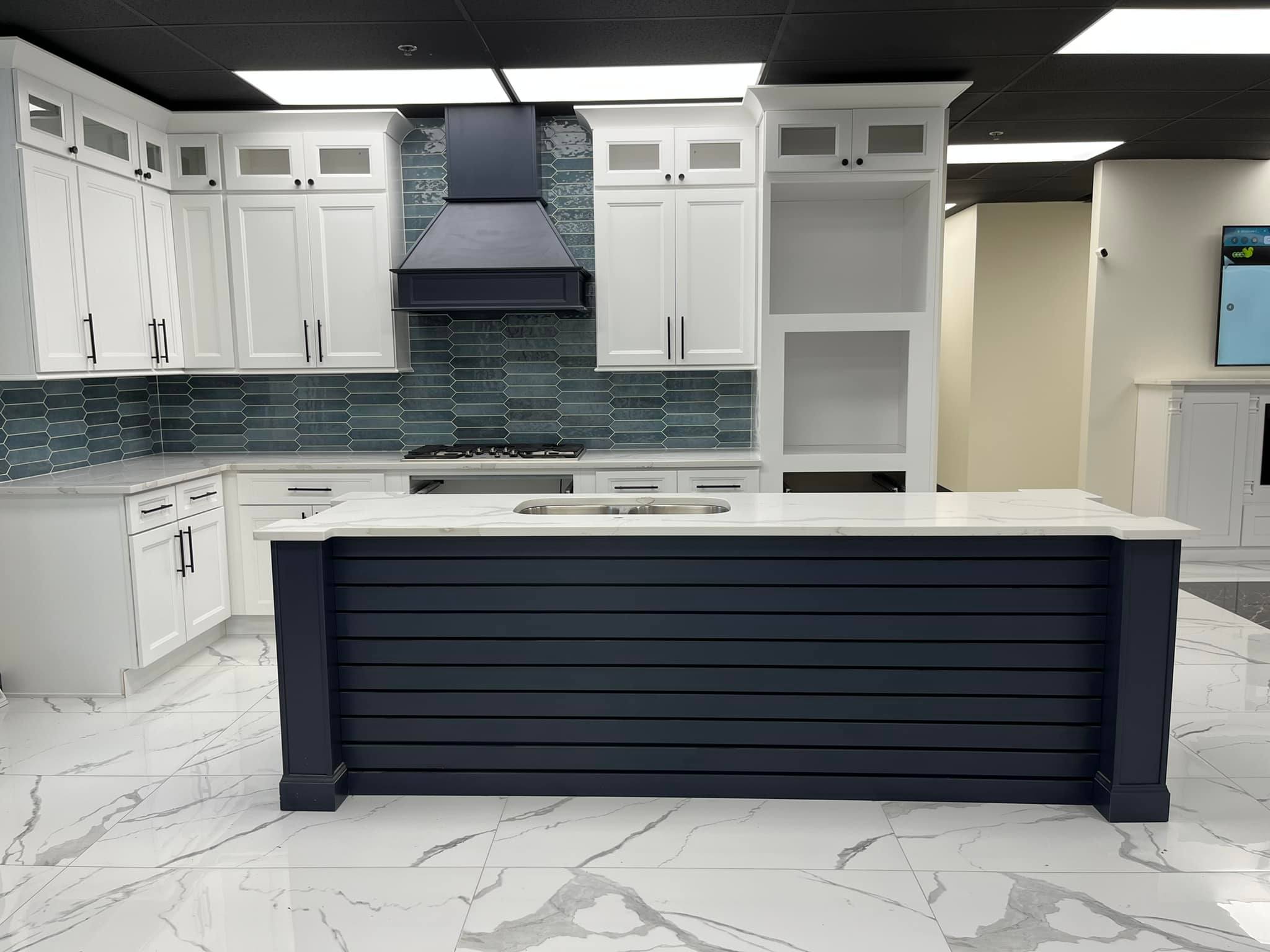
When selecting cabinets, opt for those with a design that maximizes accessibility. Shaker cabinets are an excellent choice due to their clean lines and versatility. Look for cabinets that provide easy-to-reach shelves and drawers. Pull-out shelves and lazy Susans can also enhance accessibility, making it easier to reach items stored in the back.
4. Plan for Cabinet Height and Placement
Cabinet height is a significant factor in accessibility. Wall cabinets should be installed at a height that allows for easy access without requiring a stool or step ladder. Aim for a height of 48 inches or lower for wall cabinets. Base cabinets should include options for lower drawers that can be accessed without bending down. Consider using a combination of upper and lower cabinets to create a balanced look while maintaining functionality.
5. Implement Universal Design Principles
Universal design principles focus on creating spaces that are usable by all people. When designing your kitchen cabinets, consider the following:
- Easy-to-Use Hardware: Choose cabinet handles and knobs that are easy to grip, such as D-shaped pulls or lever handles.
- Color Contrast: Use contrasting colors for cabinets and walls to help visually impaired individuals distinguish between surfaces.
- Adjustable Shelving: Incorporate adjustable shelving in your cabinets to accommodate various storage needs.
6. Ensure Clearances and Walkways
Clearance space is critical in an accessible kitchen. The ADA recommends at least 60 inches of clear floor space for turning a wheelchair. Ensure that pathways between cabinets, appliances, and countertops are at least 36 inches wide to allow for easy movement. This will prevent congestion and allow multiple individuals to navigate the space comfortably.
7. Use Lighting Wisely
Proper lighting enhances safety and accessibility in the kitchen. Install under-cabinet lighting to illuminate work areas and improve visibility. Ensure that light switches are easily reachable for all users, ideally placed at a height of 48 to 54 inches from the floor.
8. Consider Multi-Functional Spaces
Incorporate multi-functional cabinets that can serve various purposes, such as cabinets with built-in seating or a pull-out countertop extension for additional workspace. This will allow your kitchen to adapt to different needs and activities.
9. Seek Professional Help
Building a fully accessible kitchen cabinet layout may require professional expertise. Consider consulting with a kitchen designer or contractor who specializes in accessible design. They can provide valuable insights and help you navigate any local building codes in Illinois.
10. Test and Adjust
After installing your kitchen cabinets, take the time to test the layout. Ensure that all cabinets are easily accessible and that you can move comfortably around the space. Be open to making adjustments as needed. A kitchen is a dynamic space, and your needs may change over time.
Conclusion
Creating a fully accessible kitchen cabinet layout in Illinois involves thoughtful planning and consideration of various factors, including accessibility standards, cabinet selection, and space assessment. By following these steps, you can design a kitchen that is not only functional and beautiful but also accessible for everyone. For more information on accessible kitchen solutions, contact CCC Cabinets or visit our showroom in Des Plaines, IL, to explore cabinet options that meet your needs.
Call +1 872-241-5525 to speak with our cabinet specialists about your accessible kitchen project!
More in Local Guides
Near Des Plaines? Visit our cabinet warehouse.
CCC Cabinets supplies 15 door styles at wholesale prices from our Des Plaines, IL store and warehouse — confirm availability for your door style, then choose warehouse pickup near O’Hare or scheduled delivery across Chicagoland.
Door styles to explore: Millennium Off White · Millennium Cappuccino · Espresso Shaker
Browse all cabinet styles · Open a dealer account · Call (872) 241-5525 · Talk to our team