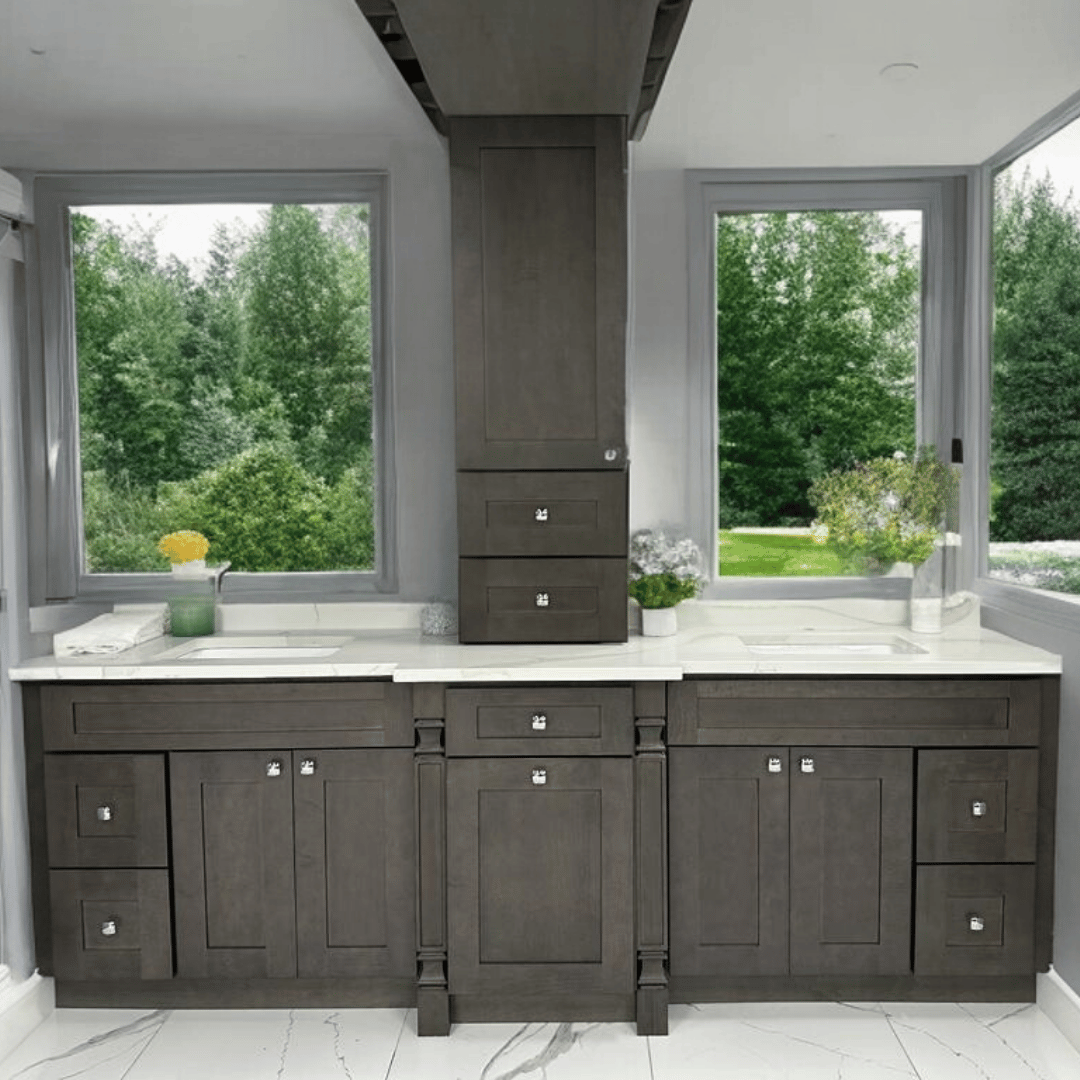
The Complete Guide to Choosing Cabinet Materials for Daily Kitchen Use
Choosing the right cabinet materials is crucial for any kitchen, especially in spaces that see daily use. Whether you’re a contractor, builder, or homeowner, understanding the various cabinet materials available can help ensure you select options that are durable, functional, and aesthetically pleasing. This comprehensive guide will walk you through everything you need to know about cabinet materials, focusing on those that can withstand the rigors of daily kitchen life. You’ll learn about the different types of materials, their pros and cons, and expert tips on making the best choice for your kitchen renovation or construction project.
1. Understanding Cabinet Materials
Cabinet materials play a significant role in the overall look and functionality of your kitchen. They not only contribute to the aesthetic appeal but also affect durability, maintenance, and cost. As you embark on a kitchen renovation or new build, it’s essential to understand the different types of materials available and how each can impact your project.
2. Popular Cabinet Materials Explained
When it comes to selecting cabinet materials, you have several options to choose from. Here’s a detailed look at the most popular cabinet materials and their characteristics:
2.1 Solid Wood
Solid wood cabinets are a timeless choice known for their beauty and durability. These cabinets are made from natural wood species such as oak, maple, cherry, and hickory. Solid wood can withstand heavy use and is less prone to damage compared to other materials.
Pros:
- Exceptional durability and longevity
- Natural beauty and warmth
- Can be refinished or repainted
Cons:
- Higher cost compared to other materials
- Susceptible to moisture and warping
- Requires regular maintenance
2.2 Plywood
Plywood is an engineered wood product made by gluing together thin layers of wood veneers. It offers excellent strength and stability, making it a popular choice for cabinet construction.
Pros:
- Durable and resistant to warping
- More cost-effective than solid wood
- Available in various finishes
Cons:
- Can be less visually appealing than solid wood
- Quality varies depending on the manufacturer
2.3 Particleboard
Particleboard is made from wood chips, sawmill shavings, and resin, making it a budget-friendly option. It is commonly used in lower-end cabinets.
Pros:
- Cost-effective
- Lightweight and easy to handle
- Can be covered with veneer or laminate for a better appearance
Cons:
- Less durable than plywood and solid wood
- Not moisture-resistant
- Can sag under heavy loads
2.4 MDF (Medium Density Fiberboard)
MDF is made from wood fibers glued under heat and pressure. It is known for its smooth surface, making it ideal for painted finishes.
Pros:
- Excellent for painting
- Consistent texture and finish
- Cost-effective compared to solid wood
Cons:
- Can be susceptible to water damage
- Not as strong as plywood or solid wood
2.5 Laminate
Laminate cabinets are made from a particleboard or MDF core covered with a plastic laminate. They come in various colors and patterns, offering versatility.
Pros:
- Wide range of colors and styles
- Easy to clean and maintain
- Cost-effective
Cons:
- Less durable than wood options
- Can chip or peel over time
3. Factors to Consider When Choosing Cabinet Materials
When selecting cabinet materials for your kitchen, several factors should guide your decision:
3.1 Durability
Durability is paramount in a kitchen environment where cabinets endure daily wear and tear. Solid wood and plywood are excellent choices for their strength and longevity, while particleboard and MDF may not hold up as well under heavy use.
3.2 Maintenance
Consider how much maintenance you are willing to commit to. Solid wood cabinets require regular upkeep, while laminate and MDF are generally easier to clean and maintain.
3.3 Aesthetics
Your choice of cabinet material should align with your kitchen’s design style. Solid wood offers a classic look, while laminate provides modern design options. Choose a material that complements your vision.
3.4 Cost
Budget considerations are crucial. Solid wood cabinets tend to be more expensive, while plywood and laminate are more affordable options. Assess your budget and weigh the cost against the benefits of each material.
3.5 Environmental Impact
Many consumers today are concerned about the environmental impact of their purchases. Look for sustainable materials and manufacturers that prioritize environmentally friendly practices.
4. Comparison of Cabinet Materials
| Material | Durability | Maintenance | Cost |
|---|---|---|---|
| Solid Wood | High | Moderate | High |
| Plywood | High | Low | Moderate |
| Particleboard | Low | Low | Low |
| MDF | Moderate | Low | Moderate |
| Laminate | Moderate | Low | Low |
5. Expert Tips for Choosing the Right Cabinet Materials
Here are some actionable tips to help you make an informed decision when selecting cabinet materials:
5.1 Assess Your Lifestyle
Your lifestyle will significantly impact your cabinet material choice. If you have children or pets, opt for materials that are more resistant to scratches and stains, like plywood or laminate.
5.2 Consider Long-Term Use
Think about the longevity of your cabinets. While solid wood may be more expensive upfront, its durability can save you money in the long run by reducing the need for replacements.
5.3 Explore Custom Options
Many cabinet suppliers, such as CCC Cabinets, offer in-stock door styles in a range of finishes, so you can choose the look that best suits your kitchen. Custom cabinets can provide a unique look and fit your specific needs.
5.4 Consult with Professionals
Don’t hesitate to consult with kitchen design professionals or contractors. They can offer invaluable insights and recommendations based on their experience.
6. FAQs
6.1 What are the best cabinet materials for high-traffic kitchens?
For high-traffic kitchens, solid wood and plywood are recommended due to their durability and resistance to wear.
6.2 How do I maintain my kitchen cabinets?
Regular cleaning with mild soap and water, avoiding abrasive cleaners, and periodic refinishing for wood cabinets can help maintain their appearance.
6.3 Are laminate cabinets durable?
Laminate cabinets are generally durable but can chip or peel over time. Choosing high-quality laminate can improve longevity.
6.4 Can I paint MDF cabinets?
Yes, MDF cabinets can be painted easily, making them a versatile choice for those looking to customize their kitchen.
6.5 What is the average cost of kitchen cabinets?
The cost varies significantly with materials and finish, so request a quote for current trade pricing.
6.6 How do I know if my cabinets are water-resistant?
Look for materials that explicitly state water resistance, such as plywood or specially treated MDF. Always check product specifications.
6.7 Can I mix different cabinet materials?
Yes, mixing materials can create a unique look and allow you to balance cost and durability in your kitchen design.
6.8 Where can I find quality cabinets near me?
For quality cabinets, consider contacting local suppliers like CCC Cabinets in Des Plaines, IL, which offers a wide range of options suitable for contractors and homeowners alike.
7. Conclusion
Choosing the right cabinet materials is essential for creating a kitchen that is not only beautiful but also functional and durable. By understanding the various options available, considering your lifestyle and needs, and consulting with professionals, you can make an informed decision that enhances your kitchen’s appeal and longevity. For contractors and builders in the Chicago area, CCC Cabinets provides a wide selection of wholesale cabinetry that meets high standards of quality and durability.
More in Cabinet Guides
Sourcing cabinets for a Chicagoland project?
CCC Cabinets supplies 15 door styles — including Mini White Shaker cabinets — at wholesale prices from our Des Plaines, IL warehouse. Confirm availability for your door style, then choose warehouse pickup near O’Hare or scheduled delivery across Chicagoland.
Door styles to explore: Mini White Shaker · Light Grey · Matcha Latte
Browse all cabinet styles · Open a dealer account · Call (872) 241-5525 · Talk to our team