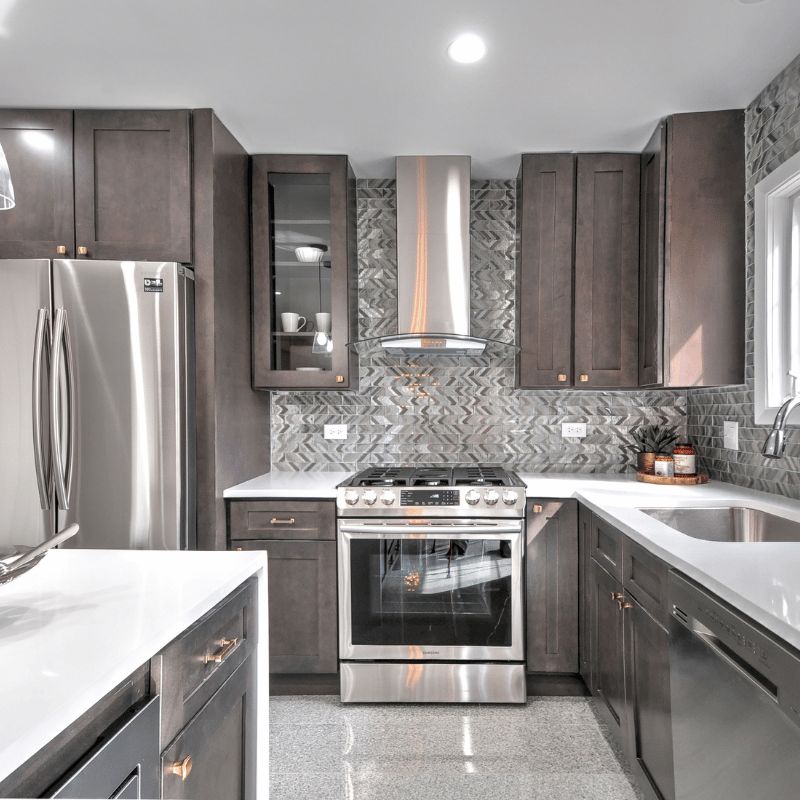
The Complete Guide to Cabinet Hinge Types and Their Impact on Door Function
The main cabinet hinge types are concealed (European) hinges, exposed butt and surface-mount hinges, pivot hinges, continuous piano hinges and specialty hinges for corners, glass doors and lift-up doors. Most modern kitchen cabinets use concealed hinges, chosen by overlay (full, half or inset), cabinet type (face frame or frameless), opening angle and whether they close softly.
Key takeaways
- Concealed hinges dominate kitchen cabinets because they are hidden, adjustable in several directions and available with soft-close.
- The overlay decides the hinge: full overlay, half overlay and inset doors each need a different hinge arm.
- Face-frame and frameless cabinets use different mounting plates; buy hinges for the cabinet you have.
- Most door alignment problems are fixed with the adjustment screws, not by replacing hinges.
- Sliding doors do not use hinges at all; they run on tracks and rollers.
1. Understanding Cabinet Hinges
A cabinet hinge connects the door to the cabinet and controls how far it opens, where it sits when closed and how it closes. Hinges are usually made of steel, sometimes nickel-plated, with brass or other finishes on decorative types. Their performance depends on weight capacity, adjustability and how well they match the door and cabinet construction.
A concealed hinge has three main parts:
- Cup: the round part set into a bored hole in the back of the door. A 35 mm cup is the common industry size.
- Arm: connects the cup to the cabinet; its shape (straight or cranked) sets the overlay.
- Mounting plate: fastened to the face frame or cabinet side; the arm clips or slides onto it.
Adjustment screws on the arm move the door side to side, in and out, and up and down, which is how installers line up reveals after the cabinets are set.
2. Types of Cabinet Hinges
| Hinge type | How it looks and works | Best use |
|---|---|---|
| Concealed (European) | Hidden when closed; cup in the door, arm on a mounting plate; adjustable; often soft-close | Most modern kitchen and bath cabinets, face frame or frameless |
| Butt hinge | Two leaves on a pin, visible at the door edge; mortised or surface set | Traditional and inset cabinetry, furniture-style pieces |
| Surface-mount / semi-concealed | Leaves show on the face or edge of the frame; quick to install | Older face-frame cabinets, rustic or decorative looks |
| Pivot hinge | Door rotates on pins at top and bottom | Tall or heavy doors, some inset and frameless designs |
| Continuous (piano) hinge | Runs the full length of the door | Long, narrow doors and lids that need support along their length |
| Specialty hinges | Wide-angle, blind corner, bi-fold corner, glass door, lift-up mechanisms | Corner cabinets, glass fronts, upper doors that open upward |
2.1. Concealed Hinges
Concealed hinges, also called European or cup hinges, are hidden from view when the door is closed. They allow a range of opening angles, can be adjusted for alignment, and come in versions for face-frame and frameless cabinets and for each overlay. Many include an integrated soft-close damper. They are the standard on most stock and semi-custom kitchen cabinets.
2.2. Butt Hinges
Butt hinges are traditional hinges made of two plates joined by a pin. They are visible at the door edge when closed and give a classic, furniture-like look, especially on inset doors. They need precise mortising and fitting and offer far less adjustment than concealed hinges, so they are more common in custom work than in stock kitchen cabinets.
2.3. Pivot Hinges
Pivot hinges let the door rotate around pins mounted at the top and bottom instead of a hinge on the side. They suit tall or heavy doors and clean designs where no hinge should show on the face. Installation must be accurate, since the pivot points carry the full weight of the door.
2.4. Sliding Hinges and Sliding Door Hardware
Doors that slide do not swing on hinges; they run on top or bottom tracks with rollers or guides. Sliding hardware is common in closets, pantries, media units and tight spaces where a swinging door would block a walkway. “Pocket door” systems combine a hinge-like slide that lets a door open and then slide back into the cabinet side, which is used for appliance garages and entertainment cabinets.
2.5. Specialty Hinges
- Soft-close hinges: a built-in or clip-on damper slows the door in the last part of its swing so it does not slam.
- Wide-angle hinges: open beyond the standard angle so pull-outs and drawers inside a cabinet clear the door.
- Blind corner and bi-fold corner hinges: for corner cabinets and lazy Susan doors that fold.
- Glass door hinges: clamp or mount to glass panels without a wood frame.
- Lift-up mechanisms: hold upper doors open above the cabinet, common over refrigerators and in modern wall cabinets.
- Self-closing hinges: pull the door shut in the last few degrees without the damping of soft-close.
Hinges by Door Overlay
The overlay is how much the door covers the cabinet opening, and it is the first thing to check when ordering hinges:
| Overlay | Door position | Hinge needed |
|---|---|---|
| Full overlay | Door covers almost all of the face frame or cabinet edge, leaving small gaps | Full overlay (straight arm) concealed hinge |
| Half overlay | Two doors share one partition or stile, each covering part of it | Half overlay (slightly cranked) hinge |
| Inset | Door sits inside the opening, flush with the frame | Inset (fully cranked) concealed hinge, butt hinge or pivot |
For the look and planning differences, read full overlay vs half overlay doors and inset vs overlay cabinet doors.
Face-frame vs frameless mounting
Face-frame cabinets have a solid wood frame on the front of the box, and the hinge plate mounts to that frame. Frameless (European-style) cabinets have no frame, so the plate mounts to the inside of the cabinet side. The same cup can fit both, but the mounting plates and arms differ. Our frameless vs face-frame breakdown covers the cabinet side of that choice.
3. Choosing the Right Hinge for Your Cabinet
- Overlay and cabinet type: match the hinge to full overlay, half overlay or inset, and to face-frame or frameless construction.
- Door size and weight: taller and heavier doors need more hinges; follow the hinge maker’s chart for door height and weight.
- Opening angle: a standard angle suits most doors; use wide-angle hinges where pull-outs or interior drawers must clear the door.
- Closing action: soft-close for busy kitchens and bathrooms; self-closing where a door must always shut.
- Mounting style: clip-on hinges let you remove doors without tools for painting or installation; screw-on plates are permanent.
- Look: concealed hinges for clean modern and shaker kitchens; exposed decorative hinges where the hardware is part of the design.
4. Installation Tips for Cabinet Hinges
- Measure and mark: set cup positions an equal distance from the top and bottom of each door so rows of doors line up.
- Use a jig or template: a boring jig sets the cup hole at the correct distance from the door edge and depth every time.
- Pre-drill screw holes: prevents splitting and keeps screws straight.
- Hang, then adjust: set side-to-side first to even the gaps, then height so the tops line up, then depth so the door sits flat against the cabinet.
- Test every door: open and close each door fully, check soft-close action, and make sure doors and drawers do not hit each other.
After a cabinet run settles, a quarter turn of the side adjustment screw usually fixes an uneven gap. Replace a hinge only if it is bent, loose in its cup hole or the damper has failed.
5. Maintenance and Care of Cabinet Hinges
- Clean: wipe hinges with a soft, damp cloth and dry them; keep moisture away from the cup area of the door.
- Tighten screws: check mounting and cup screws once in a while, especially on heavy doors.
- Re-adjust: seasonal humidity changes can shift doors slightly; use the adjustment screws.
- Avoid oily sprays on cabinet surfaces: if a hinge squeaks, apply a small amount of lubricant to the hinge mechanism only, never on the door finish. CCC Cabinets care guidance is to avoid silicone and wax products on the finish.
- Watch for rust: in damp areas such as sink bases, fix leaks quickly; corrosion is a sign of moisture.
Hinges on CCC Cabinets
Every CCC Cabinets style uses full overlay doors on 1-1/4″ concealed, 6-way adjustable soft-close hinges, so the same adjustment method works across the line, from Pure White and Shaker Blue shaker doors to Millennium White raised panel doors. Drawers run on full-extension soft-close glides. Defects in material and workmanship are covered by a 5-year limited warranty; see the warranty page. Browse all 15 in-stock styles in our cabinet collections, available as wholesale cabinets in Illinois through a trade account.
6. FAQs about Cabinet Hinges
What is the best type of hinge for kitchen cabinets?
For most kitchen cabinets, a concealed soft-close hinge matched to the door overlay and cabinet type is the best choice. It is hidden when closed, adjusts in several directions to keep doors aligned, and closes quietly. Butt and pivot hinges suit inset or furniture-style designs.
How do I choose the right size hinge?
Start with the overlay (full, half or inset) and the cabinet type (face frame or frameless), then check the door height and weight against the hinge maker’s chart to decide how many hinges each door needs. Most concealed hinges use a standard cup size, so the arm and plate are what change.
Can I use concealed hinges on any cabinet?
On most cabinets, yes. Concealed hinges are made for face-frame, frameless and inset construction, but each needs the matching arm and mounting plate, and the door must be thick enough for the cup hole. Older cabinets with exposed hinges may need new holes bored in the doors.
What are soft-close hinges?
Soft-close hinges have a damper that slows the door during the last part of its swing, so it closes gently and quietly instead of slamming. The damper may be built into the hinge or clipped on. They reduce wear on doors and frames and are standard on many modern cabinets.
How do you adjust a concealed cabinet hinge?
Use the screws on the hinge arm. The side screw moves the door left or right to even the gaps, the depth screw pulls the door in or out so it sits flat, and the height adjustment, often on the mounting plate, raises or lowers the door. Make small turns and check after each.
What does 6-way adjustable mean on a cabinet hinge?
It typically means the hinge adjusts in three directions, side to side, up and down, and in and out, each in both directions. That lets installers line up a run of doors precisely after the cabinets are set and correct small shifts later without removing the door.
Choosing Cabinets with the Right Hardware
Hinges decide how a cabinet feels every day. To see 6-way adjustable soft-close hinges and full overlay doors in person, visit the CCC Cabinets showroom at 2180 S Wolf Rd in Des Plaines or call (872) 241-5525.
More in Hardware & Function
Sourcing cabinets for a Chicagoland project?
CCC Cabinets supplies 15 door styles — including Pure White cabinets — at wholesale prices from our Des Plaines, IL warehouse. Confirm availability for your door style, then choose warehouse pickup near O’Hare or scheduled delivery across Chicagoland.
Door styles to explore: Pure White · Millennium White · Mini White Shaker
Browse all cabinet styles · Open a dealer account · Call (872) 241-5525 · Talk to our team