Maximize Your Kitchen Storage: Upper and Lower Cabinet Configuration
When designing a kitchen, the arrangement of upper and lower cabinets plays a crucial role in functionality and aesthetics. A well-planned cabinet configuration not only enhances the visual appeal of your space but also significantly improves storage capacity, making it easier to keep your kitchen organized. In this comprehensive guide, we will explore how upper and lower cabinet configurations can create functional kitchen storage solutions, offering insights that will empower contractors, builders, and homeowners alike.
Understanding Kitchen Cabinet Configurations
The layout of upper and lower cabinets in a kitchen can vary greatly depending on the size of the space, the homeowner’s needs, and the overall design aesthetic. Typically, upper cabinets are mounted above countertops, while lower cabinets are positioned beneath them. This fundamental configuration is essential for creating a functional workspace.
The Role of Cabinet Height
Upper cabinets are generally installed at a height that allows easy access to dishes, glassware, and pantry items. The standard height for upper cabinets is usually 18 inches above the countertop, but this can vary based on the homeowner’s height and preferences. On the other hand, lower cabinets usually stand at a height of 34.5 inches, providing a comfortable working surface for activities such as food preparation.
Common Configurations
Common kitchen cabinet layouts include:
- U-Shaped: This configuration provides ample storage and workspace, making it ideal for larger kitchens.
- L-Shaped: A popular choice for both small and large kitchens, this layout offers flexibility and open space.
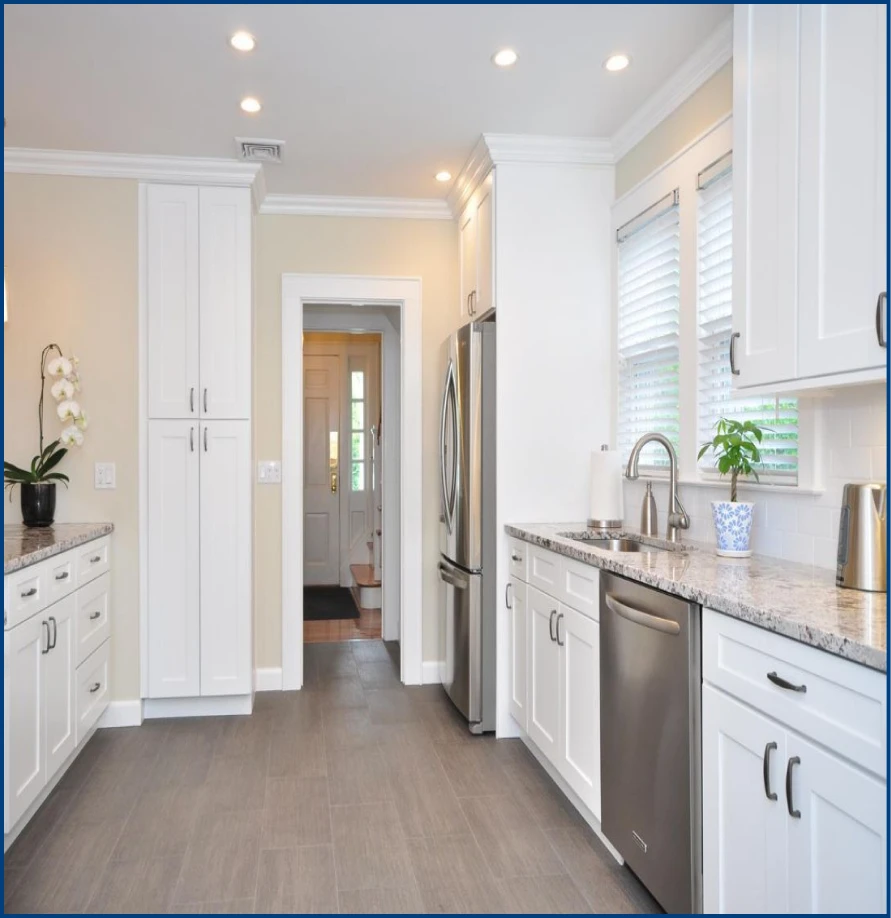
- Galley: This design features two parallel runs of cabinets, maximizing storage and efficiency.
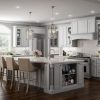
- Island: Adding an island can enhance storage options and provide additional prep space.
The Importance of Upper Cabinets
Upper cabinets serve several essential functions in a kitchen:
- Storage: They provide valuable space for storing dishes, cookware, and pantry items.
- Display: Glass-front upper cabinets can showcase decorative dishware or collectibles.
- Visual Balance: Upper cabinets help balance the visual weight of lower cabinets and appliances.
Maximizing Upper Cabinet Storage
Some innovative storage solutions for upper cabinets include:
- Pull-Down Shelves: These shelves can be easily accessed without the need for a step stool.
- Lazy Susans: Ideal for corner cabinets, they allow for easy access to items.
- Vertical Dividers: These can be used to store baking sheets and cutting boards efficiently.
Benefits of Lower Cabinets
Lower cabinets are equally important in a kitchen’s functionality:
- Accessibility: Items stored in lower cabinets are easier to access, especially for frequently used items.
- Counter Space: Lower cabinets create valuable countertop space for food prep, appliances, and decorative elements.
- Support for Appliances: Many kitchen appliances, like dishwashers and ovens, are built into lower cabinets.
Enhancing Lower Cabinet Storage
To make the most of lower cabinet spaces, consider the following:
- Drawer Organizers: These can help categorize utensils and tools, preventing clutter.
- Pull-Out Shelves: Ideal for deep cabinets, these shelves allow for easy access to items in the back.
- Base Cabinets with Doors: These can hide away pots and pans, keeping the kitchen looking tidy.
Designing Efficient Upper and Lower Cabinet Configurations
When designing your kitchen, consider the following factors to create an efficient cabinet configuration:
1. Assess Your Needs
Evaluate your cooking habits and storage needs. For example, if you frequently entertain, you may need more dishware storage. If you cook often, prioritize pots and pans storage in your lower cabinets.
2. Consider Traffic Flow
Ensure that cabinet placement does not obstruct the kitchen work triangle, which consists of the sink, stove, and refrigerator. A clear path allows for efficient movement while cooking.
3. Balance Aesthetics and Functionality
Choose cabinet styles and finishes that complement your home’s design while also providing the functionality you need. For example, sleek modern cabinets can create a contemporary feel, while traditional styles may evoke warmth and charm.
4. Plan for Accessibility
Ensure that upper cabinets are within reach and that lower cabinet storage is easy to access. Consider adding features like soft-close mechanisms for a more user-friendly experience.
Choosing the Right Cabinet Styles
Cabinet styles can significantly impact both the functionality and appearance of your kitchen. Here are a few popular options:
Shaker Cabinets
Shaker cabinets are characterized by their clean lines and simple design, making them a versatile choice for various kitchen styles. They are available in various finishes and can complement both modern and traditional kitchens.
Modern Cabinets
Modern cabinets often feature flat-panel designs and minimalistic hardware, emphasizing sleek lines and simplicity. They work well in contemporary kitchens.
Rustic Cabinets
For a warm and inviting feel, rustic cabinets made from reclaimed wood or with distressed finishes can add character to your kitchen.
Storage Solutions for Upper and Lower Cabinets
Comparative Table of Storage Solutions
| Storage Solution | Best For | Benefits |
|---|---|---|
| Pull-Down Shelves | Upper Cabinets | Easy access to high items |
| Lazy Susans | Corner Cabinets | Maximizes corner space |
| Drawer Organizers | Lower Cabinets | Keeps utensils organized |
| Pull-Out Shelves | Lower Cabinets | Easy access to deep items |
| Vertical Dividers | Upper Cabinets | Efficient storage for baking sheets |
Expert Tips for Maximizing Kitchen Storage
To ensure your kitchen is as functional as possible, implement these expert tips:
- Utilize Vertical Space: Use the full height of your cabinets to store items. Consider adding shelves or hooks for additional storage.
- Keep Frequently Used Items Accessible: Store items you use most often in lower cabinets or at eye level in upper cabinets.
- Label Storage Areas: Labeling shelves and bins can save time and help maintain organization.
- Incorporate Multi-Functional Furniture: Consider incorporating a kitchen island that can serve as both storage and additional prep space.
Conclusion
In summary, the configuration of upper and lower cabinets plays a pivotal role in creating functional kitchen storage solutions. By understanding the importance of both cabinet types, exploring design options, and implementing innovative storage solutions, you can create a kitchen that not only meets your needs but also enhances your home’s overall aesthetic. At CCC Cabinets, we offer a wide range of kitchen cabinets designed to provide both style and functionality. Whether you’re a contractor looking for wholesale cabinets or a homeowner ready to transform your kitchen, our team is here to help you every step of the way. Contact us today at [email protected] to learn more!
FAQs
What is the standard height for upper kitchen cabinets?
The standard height for upper kitchen cabinets is typically 18 inches above the countertop, but this can vary based on personal preference and kitchen design.
How can I maximize storage in my kitchen cabinets?
To maximize storage, consider using pull-down shelves, lazy Susans, and drawer organizers. Additionally, utilize vertical space and keep frequently used items accessible.
What are the advantages of upper cabinets?
Upper cabinets provide valuable storage for dishes and pantry items, display options for decorative items, and help create visual balance in the kitchen.
Are there different styles of kitchen cabinets?
Yes, popular styles include shaker cabinets, modern cabinets, and rustic cabinets, each offering different aesthetics and functionality.
What are pull-out shelves?
Pull-out shelves are sliding shelves that allow easy access to items stored in deep cabinets, making it easier to reach items at the back.
What is the best way to organize kitchen cabinets?
The best way to organize kitchen cabinets is to categorize items, use drawer organizers, and label storage areas for easy access.
Can I install upper cabinets myself?
Yes, installing upper cabinets can be done as a DIY project if you have the right tools and follow the manufacturer’s instructions.
How do kitchen cabinets affect home value?
Quality kitchen cabinets can significantly increase a home’s value, as they enhance functionality and aesthetics, appealing to potential buyers.
More in Hardware & Function
Sourcing cabinets for a Chicagoland project?
CCC Cabinets supplies 15 door styles — including Espresso Shaker cabinets — at wholesale prices from our Des Plaines, IL warehouse. Confirm availability for your door style, then choose warehouse pickup near O’Hare or scheduled delivery across Chicagoland.
Door styles to explore: Espresso Shaker · Shaker Blue · Mini White Shaker
Browse all cabinet styles · Open a dealer account · Call (872) 241-5525 · Talk to our team