Mastering Kitchen Cabinet Design for Functional Work Triangles
In modern kitchens, the design of kitchen cabinets plays a pivotal role in creating functional work triangles. This concept is essential for ensuring that the kitchen workflow is efficient, which is crucial for both professional chefs and home cooks alike. Understanding how to optimize cabinet placement to facilitate seamless movement between the stove, sink, and refrigerator can transform your cooking experience. In this comprehensive guide, we will delve into kitchen cabinet design, the significance of work triangles, and how to implement these principles effectively in your kitchen renovation or build. By the end of this article, you will have a clear understanding of how to create an efficient workspace that enhances both functionality and aesthetics.
Understanding the Work Triangle Concept
The work triangle is a design principle that optimizes the kitchen’s layout by establishing the most efficient paths between the three primary work areas: the stove, sink, and refrigerator. The ideal distances between these points should be between 4 and 9 feet, with a total perimeter of 13 to 26 feet. This ensures that the kitchen is functional, allowing for smooth workflow and reducing unnecessary movements.
Research conducted by the University of Illinois Extension indicates that a well-designed work triangle can lead to increased productivity and reduced fatigue while cooking. It also enhances safety by minimizing the risk of accidents that can occur when the kitchen is cluttered or poorly organized. When designing your kitchen cabinets, it’s essential to keep the work triangle in mind to create a space that meets your cooking needs.
The Role of Kitchen Cabinet Design
Kitchen cabinets are not just storage solutions; they are integral to the overall kitchen layout and functionality. The right cabinet design can significantly impact the work triangle by influencing how easily you can access essential kitchen tools and ingredients. Here are a few ways in which cabinet design contributes to an effective work triangle:
- Placement: Cabinets should be strategically placed to facilitate easy access to the stove, sink, and refrigerator. For example, placing the pots and pans near the stove minimizes movement during meal preparation.
- Height and Depth: Cabinets that are too high or too deep can hinder access to frequently used items. Opt for cabinets that offer easy reach and visibility.
- Open Shelving: Incorporating open shelving can create a more accessible environment, allowing you to grab items without opening multiple cabinet doors.
- Drawer versus Door: Drawers can be more efficient than doors for storing pots and pans, as they provide easier access and better organization.
When selecting kitchen cabinets, consider the in-stock cabinet collections available at CCC Cabinets, where you can find a variety of designs that suit your kitchen’s needs. Our solid wood cabinets not only enhance aesthetics but also provide the durability required for daily use.
Designing the Perfect Work Triangle
To design an effective work triangle, follow these steps:
- Measure Your Space: Begin by measuring your kitchen dimensions to understand the available area. Determine the locations of the stove, sink, and refrigerator.
- Establish Work Zones: Identify where you will be performing different tasks. For instance, meal prep zones should be close to the sink and stove.
- Plan the Triangle: Ensure that the distances between the three points fall within the recommended range of 4 to 9 feet. Avoid any obstacles that may disrupt the flow.
- Incorporate Cabinets: Choose cabinet styles that complement the work triangle. For example, place frequently used utensils and cookware in drawers near the stove.
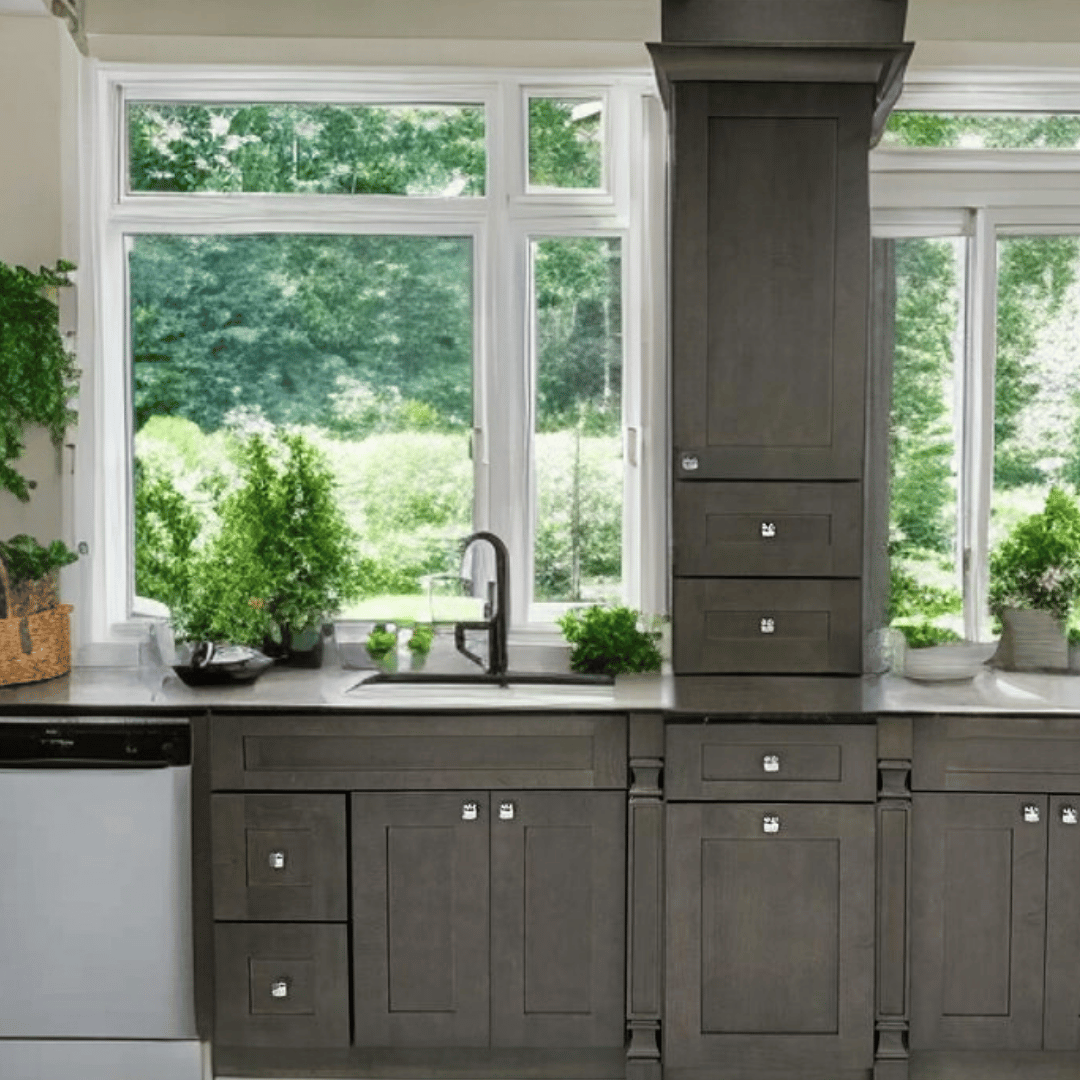
Utilizing CCC Cabinets’ espresso shaker cabinets can provide both function and style, creating an inviting workspace.
Choosing the Right Cabinet Styles
The style of your kitchen cabinets can greatly influence the overall aesthetic and functionality of your kitchen. Here are popular cabinet styles that work well in modern kitchens:
- Shaker Cabinets: Known for their clean lines and versatility, shaker cabinets are a popular choice for both traditional and contemporary kitchens.
- Modern Door Styles: Sleek and minimalist, modern cabinets can create a streamlined look while offering innovative storage solutions.
- Prestige Door Styles: These cabinets combine elegance with functionality, often featuring intricate designs that add character to the kitchen.
When selecting cabinet styles, consider how they will complement your kitchen’s work triangle. The right cabinet design not only enhances the aesthetic appeal but also optimizes workflow. For a closer look at our cabinet styles, visit our cabinet showroom near O’Hare, where you can explore various options in person.
Maximizing Storage and Accessibility
Effective kitchen cabinet design goes beyond aesthetics; it’s about maximizing storage and accessibility. Here are some strategies to enhance your kitchen’s functionality:
- Pull-Out Shelves: These are ideal for deep cabinets, allowing you to easily access items in the back without straining.
- Lazy Susans: Corner cabinets can be tricky to navigate; lazy Susans can make accessing these spaces much easier.
- Cabinet Dividers: Use dividers in drawers to keep utensils and tools organized, ensuring everything is easy to find.
- Vertical Storage: Utilize vertical space by installing tall cabinets that reach the ceiling, maximizing storage without taking up additional floor space.
By incorporating these strategies, you can enhance your kitchen’s functionality while maintaining a beautiful design. CCC Cabinets offers pre-assembled kitchen cabinets that can help you achieve your desired layout quickly and efficiently.
Expert Tips for Efficient Kitchen Layouts
To further optimize your kitchen’s layout and work triangle, consider these expert tips:
Additionally, think about the following:
- Incorporate Lighting: Ensure that all work areas are well-lit, especially above the sink and stove, to enhance safety and efficiency.
- Consider Traffic Patterns: Ensure that the kitchen layout accommodates foot traffic without interfering with the work triangle. Avoid placing the refrigerator near the cooking area to prevent bottlenecks.
- Use Colors and Materials Wisely: Lighter colors can make a small kitchen feel larger, while durable materials will withstand daily use.
By following these tips, you can create a kitchen that not only looks great but also functions seamlessly. The luxury collection at CCC Cabinets features options that can help you achieve both style and functionality.
Common Mistakes to Avoid
When designing your kitchen, be mindful of these common mistakes that can disrupt the work triangle:
- Ignoring the Triangle: Failing to consider the work triangle can lead to an inefficient kitchen layout, causing frustration during meal preparation.
- Overcrowding the Space: Too many cabinets or bulky appliances can create a cramped environment, hindering movement.
- Neglecting Storage Needs: Ensure that your cabinets provide adequate storage for all your kitchen essentials. Poor storage solutions can lead to clutter and inefficiency.
By avoiding these pitfalls, you can create a harmonious kitchen environment that promotes efficiency and ease. For expert guidance, consider consulting with a kitchen design professional to ensure your layout meets your needs.
Frequently Asked Questions
What is the work triangle in kitchen design?
The work triangle refers to the optimal layout between the stove, sink, and refrigerator, designed to create an efficient workflow for cooking tasks.
How can I maximize space in a small kitchen?
Consider using tall cabinets, pull-out shelves, and vertical storage solutions to maximize space while maintaining accessibility.
What are the best cabinet styles for modern kitchens?
Popular styles include shaker cabinets, modern door styles, and prestige door styles, each offering unique aesthetics and functionality.
How do I ensure my kitchen is safe and efficient?
Maintain clear pathways, incorporate adequate lighting, and follow ergonomic principles in your kitchen layout to enhance safety and efficiency.
Can I design my kitchen without professional help?
While it is possible, consulting with a kitchen design professional can provide valuable insights and ensure that your layout meets your specific needs.
What materials are best for kitchen cabinets?
Solid wood materials are highly recommended for their durability and aesthetic appeal, making them a popular choice in modern kitchen designs.
How important is cabinet organization?
Proper cabinet organization is crucial for maintaining efficiency in the kitchen, making it easier to find and access essential items.
What are some common kitchen design mistakes to avoid?
Common mistakes include neglecting the work triangle, overcrowding the space, and failing to consider adequate storage solutions.
More in Cabinet Guides
Sourcing cabinets for a Chicagoland project?
CCC Cabinets supplies 15 door styles — including Mini White Shaker cabinets — at wholesale prices from our Des Plaines, IL warehouse. Confirm availability for your door style, then choose warehouse pickup near O’Hare or scheduled delivery across Chicagoland.
Door styles to explore: Mini White Shaker · Espresso Shaker · Millennium Cappuccino
Browse all cabinet styles · Open a dealer account · Call (872) 241-5525 · Talk to our team