
How to Mix Cabinet Styles in an Open-Concept Chicago Kitchen
Open-concept kitchens are all the rage in Chicago homes, offering a blend of functionality and style that caters to modern living. However, when it comes to designing an open-concept space, many homeowners find themselves grappling with the challenge of mixing cabinet styles. The right mix can elevate your space, create visual interest, and reflect your unique taste. In this guide, we’ll explore effective strategies to mix cabinet styles in your kitchen while ensuring a cohesive design.
1. Understand the Basics of Cabinet Styles
Before diving into mixing cabinet styles, it’s essential to understand the different types available. The most common styles include:
- Shaker Cabinets: Known for their clean lines and minimalist design, shaker cabinets offer a timeless look that fits various aesthetics.
- Modern Cabinets: Characterized by sleek finishes and minimal ornamentation, modern cabinets contribute a contemporary feel.
- Traditional Cabinets: Featuring intricate details and moldings, these cabinets bring warmth and classic charm to your kitchen.
- Rustic Cabinets: Made from natural woods, rustic cabinets add an earthy touch, perfect for creating a cozy atmosphere.
2. Establish a Color Palette
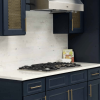
To ensure your mixed cabinet styles work harmoniously, start by establishing a color palette. Choose two or three colors that complement each other and set the tone for your kitchen. For instance, pairing white shaker cabinets with a deep navy or a rich wood finish can create a striking contrast while maintaining balance. Consider the overall theme of your home—whether it’s modern, rustic, or traditional—and let that guide your color choices.
3. Create a Focal Point
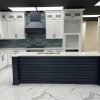
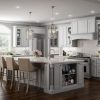
In an open-concept kitchen, it’s crucial to create a focal point that draws the eye and anchors the space. This could be an island, a statement cabinet style, or even a unique backsplash. For example, if you opt for shaker cabinets on the perimeter of your kitchen, consider using modern cabinet styles for the island. This contrast not only adds visual interest but also defines different areas within your open space.
4. Balance Proportions
When mixing cabinet styles, balancing proportions is key to achieving a cohesive look. Ensure that the heights and sizes of your cabinets complement each other. For example, if you choose tall, sleek modern cabinets, consider pairing them with lower, bulkier rustic cabinets to create a sense of balance. Avoid mixing too many styles that vary drastically in size or scale, as this can lead to a disjointed appearance.
5. Focus on Texture
Texture plays a vital role in creating depth and interest in your kitchen design. When mixing cabinet styles, consider incorporating a variety of textures to enhance the overall aesthetic. For instance, you might pair smooth, high-gloss modern cabinets with distressed wood rustic cabinets. This combination not only adds visual appeal but also encourages a tactile experience, making the kitchen feel warm and inviting.
6. Consistent Hardware
Choosing consistent hardware can tie together different cabinet styles seamlessly. Opt for cabinet pulls and knobs that match or complement each other, even if the cabinets themselves are different styles. For example, if you have modern cabinets with sleek lines, consider using simple, contemporary hardware. Conversely, if you’re mixing traditional and rustic styles, look for hardware that reflects those themes, such as wrought iron or antique finishes.
7. Use Open Shelving for Cohesion
In an open-concept design, open shelving can be an excellent way to create cohesion between different cabinet styles. By displaying decorative items, dishes, or cookbooks on open shelves, you can visually connect the various cabinet styles. For instance, if your lower cabinets are shaker style, consider using open shelving in a matching wood finish or color to create a seamless transition.
8. Consider Lighting
Lighting can significantly influence the perception of your cabinet styles in an open-concept kitchen. Use ambient lighting to highlight your cabinetry and draw attention to the textures and colors. Pendant lights over an island or under-cabinet lighting can create a warm and inviting atmosphere while enhancing the overall design of the space.
9. Plan for Functionality
While aesthetics are important, functionality should never be overlooked. Consider how you use your kitchen and ensure that the cabinet styles you choose support your needs. For example, if you require ample storage, selecting a mix of cabinets with varying functionalities—such as open shelving for frequently used items and closed cabinets for less-used items—can help optimize your space.
10. Consult with Professionals
If you’re unsure about mixing cabinet styles or need assistance with your design, consider consulting with a kitchen designer or contractor. Professionals can provide invaluable insights and help you navigate the process, ensuring that your vision comes to life while maintaining a cohesive and functional design.
Conclusion
Mixing cabinet styles in an open-concept Chicago kitchen offers an opportunity to showcase your personal style while creating a functional and inviting space. By understanding cabinet types, establishing a color palette, and focusing on balance and texture, you can achieve a beautiful and cohesive design. Remember to keep functionality in mind and don’t hesitate to seek professional help if needed. With the right approach, your open-concept kitchen can be a stunning reflection of your unique taste and lifestyle.
For more information on cabinet styles and to explore our collection of in-stock kitchen cabinets, visit CCC Cabinets, your trusted cabinet supplier in Des Plaines, IL.
More in Local Guides
Near Des Plaines? Visit our cabinet warehouse.
CCC Cabinets supplies 15 door styles at wholesale prices from our Des Plaines, IL store and warehouse — confirm availability for your door style, then choose warehouse pickup near O’Hare or scheduled delivery across Chicagoland.
Door styles to explore: Pure White · Shaker Blue · Millennium White
Browse all cabinet styles · Open a dealer account · Call (872) 241-5525 · Talk to our team