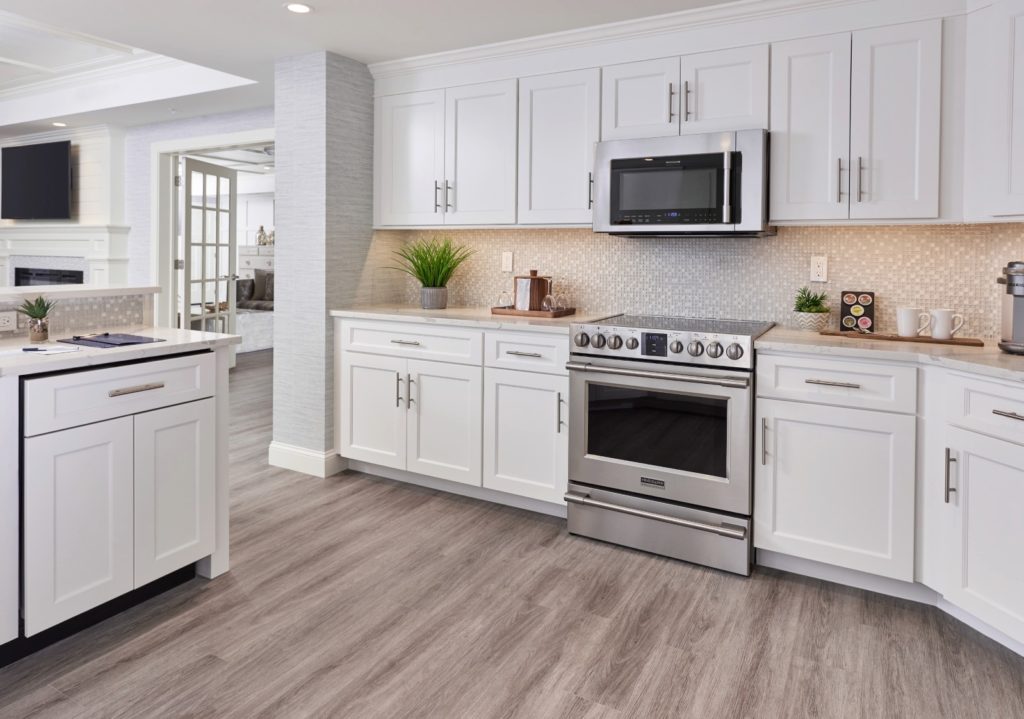
How Kitchen Cabinets Influence Acoustics and Sound Quality
When designing a kitchen, many homeowners focus primarily on aesthetics, functionality, and storage. However, an often-overlooked aspect of kitchen design is how kitchen cabinets can significantly impact the acoustics and sound quality of the space. Understanding this relationship is crucial for creating a kitchen that is not only visually appealing but also acoustically comfortable. In this comprehensive guide, we will explore how kitchen cabinets influence sound, the materials that enhance acoustics, and practical tips for optimizing your kitchen’s sound quality.
Impact of Acoustics in the Kitchen
The kitchen is often regarded as the heart of the home, serving as a gathering place for family and friends. However, it can also be one of the noisiest areas due to cooking appliances, dishwashers, and general activity. The acoustics of the kitchen can significantly influence the overall experience of the space. Good acoustics can enhance communication and comfort, while poor acoustics can lead to an overwhelming noise level that disrupts conversations and creates a stressful environment.
Research has shown that noise pollution can affect mental well-being, and the kitchen is no exception. Excessive noise can lead to stress, fatigue, and even hearing loss over time. As a result, prioritizing sound quality in kitchen design not only enhances aesthetic appeal but also contributes to a healthier living environment.
How Cabinets Affect Sound Quality
Kitchen cabinets play a significant role in shaping the soundscape of your kitchen. Their materials, design, and placement can either absorb or reflect sound, influencing how noise travels within the space.
- Material Density: The density of cabinet materials can determine how much sound is absorbed or reflected. Solid wood cabinets, for instance, tend to absorb sound better than hollow-core options, resulting in a quieter kitchen.
- Surface Texture: The texture of cabinet surfaces can also impact sound quality. Smooth surfaces tend to reflect sound, leading to an echo effect, while textured surfaces can help diffuse sound waves.
- Cabinet Configuration: The arrangement and configuration of cabinets affect how sound travels. Cabinets that are strategically placed can help create barriers to sound, reducing noise from appliances and activities.
Understanding these factors can help homeowners and contractors choose the right cabinets to enhance sound quality in the kitchen.
Materials and Designs for Better Acoustics
When selecting kitchen cabinets, it’s essential to consider materials that promote better acoustics. Here are some popular options:
1. Solid Wood Cabinets
Solid wood cabinets are known for their durability and aesthetic appeal. They also offer excellent sound absorption properties. The natural fibers in solid wood help to dampen sound, making them an ideal choice for kitchens where noise reduction is a priority.
2. Plywood Cabinets
Plywood is another excellent choice for kitchen cabinets. It is made from multiple layers of wood veneer, which provides strength and stability. Plywood cabinets can absorb sound effectively, making them a good option for reducing noise in the kitchen.
3. MDF (Medium Density Fiberboard) Cabinets
MDF cabinets are made from wood fibers bonded together with adhesive, resulting in a dense and smooth material. While they may not absorb sound as well as solid wood, they are often more affordable and can still contribute to improved acoustics when used in a well-designed kitchen.
4. Textured Finishes
Opting for cabinets with textured finishes can enhance sound absorption. Textured surfaces break up sound waves, preventing them from bouncing around the kitchen and creating an echo.
Choosing the Right Cabinets for Optimal Acoustics
To achieve optimal acoustics in your kitchen, consider the following tips when selecting cabinets:
- Evaluate Your Needs: Assess how much noise your kitchen generates. If you frequently use noisy appliances, prioritize cabinets that offer better sound absorption.
- Consult a Professional: Engage with a cabinet supplier or contractor who understands acoustics. They can recommend the best materials and designs for your specific needs. At CCC Cabinets, we offer a range of solid wood kitchen cabinets and pre-assembled options, ensuring you find the perfect fit for your space. Check out our kitchen cabinets collection for more information.
- Consider Cabinet Placement: The placement of cabinets can influence sound quality. Positioning cabinets strategically can create sound barriers that minimize noise levels.
- Think About Finishes: Choose finishes that enhance sound absorption. Textured or matte finishes can reduce sound reflection compared to glossy surfaces.
Expert Tips for Improving Kitchen Sound Quality
In addition to selecting the right cabinets, there are several other strategies to enhance the sound quality in your kitchen:
Here are other actionable tips:
- Add Acoustic Panels: Installing acoustic panels on the walls or ceiling can help absorb sound waves and reduce echo.
- Use Soundproofing Materials: Consider using soundproofing materials in your kitchen design. These can be applied behind cabinets or under countertops to minimize noise transmission.
- Limit Hard Surfaces: While hard surfaces like tile and granite are popular in kitchens, they can contribute to noise. Balance these with softer materials to reduce sound reflection.
- Implement Smart Layouts: Design your kitchen layout to minimize noise. For example, keep noisy appliances away from seating areas to create a more peaceful environment.
Comparison of Cabinet Materials and Acoustics
| Cabinet Material | Sound Absorption | Durability | Cost |
|---|---|---|---|
| Solid Wood | High | Very Durable | High |
| Plywood | Medium-High | Durable | Medium |
| MDF | Medium | Moderately Durable | Low |
Frequently Asked Questions
1. How do kitchen cabinets affect sound quality?
Kitchen cabinets can absorb or reflect sound based on their materials, density, and surface texture. Solid wood cabinets tend to absorb sound better than hollow-core options, enhancing sound quality in the kitchen.
2. What materials are best for reducing noise in the kitchen?
Solid wood and plywood are excellent choices for reducing noise. They provide better sound absorption compared to MDF or particleboard.
3. Can I improve kitchen acoustics without replacing cabinets?
Yes, you can improve kitchen acoustics by adding soft furnishings, using acoustic panels, and strategically placing cabinets to create sound barriers.
4. What role do cabinet finishes play in sound quality?
Cabinet finishes can influence sound reflection. Textured or matte finishes tend to absorb sound better than glossy surfaces, which reflect sound waves.
5. How can I create a quieter kitchen environment?
To create a quieter kitchen, consider using soundproofing materials, limiting hard surfaces, and designing your layout to minimize noise from appliances.
6. Are there specific cabinet styles that enhance acoustics?
Cabinet styles with textured surfaces or thicker doors generally provide better sound absorption. Shaker cabinets, for example, offer a blend of aesthetic appeal and functional benefits.
7. How much do kitchen cabinets impact overall kitchen noise?
Kitchen cabinets can significantly impact overall kitchen noise, especially in spaces with high levels of activity or noisy appliances. Choosing the right materials can help maintain a peaceful atmosphere.
8. Where can I find quality kitchen cabinets in Chicago?
For high-quality kitchen cabinets in Chicago, consider visiting CCC Cabinets. We offer a wide range of solid wood cabinets, including pre-assembled options, to meet your needs.
Conclusion
In conclusion, kitchen cabinets play a vital role in influencing the acoustics and sound quality of your kitchen. By understanding how different materials and designs affect sound, you can create a kitchen that is not only beautiful but also acoustically comfortable. Whether you are a contractor, builder, or homeowner, prioritizing sound quality in kitchen design can lead to a more enjoyable cooking and dining experience. For more information on our cabinets and how they can enhance your kitchen, visit CCC Cabinets.
More in Cabinet Guides
Sourcing cabinets for a Chicagoland project?
CCC Cabinets supplies 15 door styles — including Mini Shaker Cappuccino cabinets — at wholesale prices from our Des Plaines, IL warehouse. Confirm availability for your door style, then choose warehouse pickup near O’Hare or scheduled delivery across Chicagoland.
Door styles to explore: Mini Shaker Cappuccino · Cappuccino · Dark Grey
Browse all cabinet styles · Open a dealer account · Call (872) 241-5525 · Talk to our team