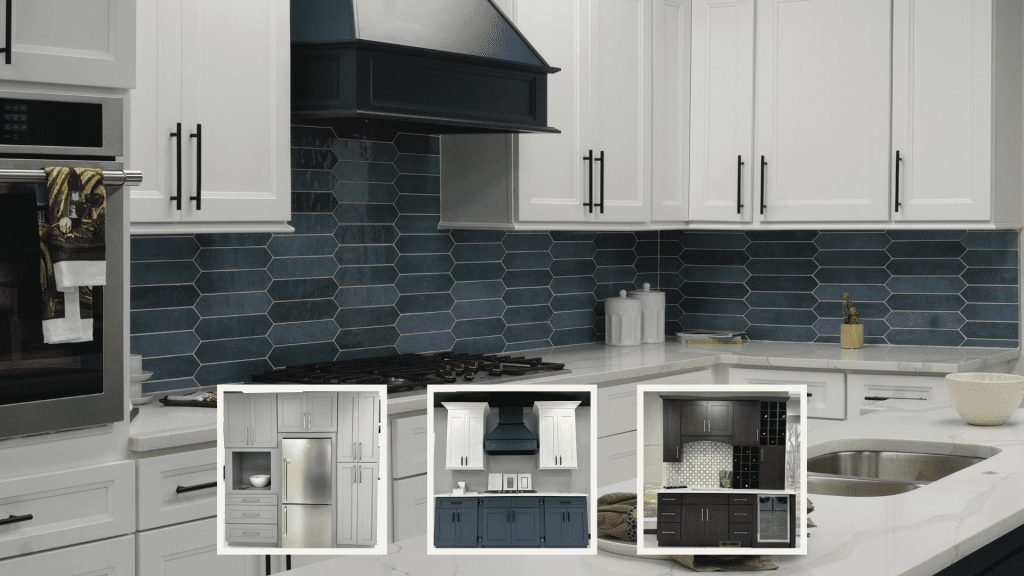
How Kitchen Cabinet Knowledge Empowers Contractors to Advise Homeowners
In the world of home renovation, particularly kitchen remodeling, contractors play a pivotal role in guiding homeowners through the myriad of choices available. One of the most crucial areas where this guidance is offered is in the selection of kitchen cabinets. Understanding kitchen cabinet options not only enhances a contractor’s ability to advise effectively but also fosters a relationship of trust and authority with clients. This article explores how in-depth kitchen cabinet knowledge equips contractors to provide superior advice to homeowners, leading to successful renovations and satisfied clients.
The Importance of Kitchen Cabinets in Home Remodeling
Kitchen cabinets are more than just storage solutions; they are a fundamental component of kitchen design. Cabinets make up a significant share of a kitchen remodeling budget. This underscores the importance of making informed decisions about cabinet selection. Selection also goes beyond appearance; how cabinet door weight and hinge capacity affect long-term performance is one technical detail that shapes how doors hold up over time.
Kitchen cabinets set the tone for the overall aesthetic of the kitchen. They influence the functionality of the space, affecting how homeowners interact with their kitchens daily. Consequently, contractors must be equipped with comprehensive knowledge about kitchen cabinets to guide homeowners effectively. With a solid understanding of cabinetry options, contractors can ensure that the chosen cabinets not only meet the homeowner’s aesthetic desires but also align with practical needs.
Key Kitchen Cabinet Features Contractors Should Know
When advising homeowners on kitchen cabinets, contractors should be familiar with several key features:
- Cabinet Styles: Understanding the difference between traditional, modern, and transitional styles helps contractors recommend options that match the homeowner’s preferences.
- Cabinet Construction: Knowledge of cabinet construction types—such as framed vs. frameless—allows contractors to explain the benefits and drawbacks of each, impacting durability and storage capacity.
- Material Choices: Familiarity with various materials (like plywood, MDF, and solid wood) and their respective advantages informs discussions about longevity and maintenance.
- Finish Options: Contractors should know about different finishes (e.g., paint, laminate, wood stain) and how they can affect the look and feel of the cabinets.
- Hardware and Accessories: Understanding the impact of quality hardware (hinges, knobs, pulls) and accessories (soft-close mechanisms, pull-out shelves) can enhance the functionality of the cabinets.
By mastering these features, contractors can provide tailored recommendations that suit both the aesthetic and functional needs of homeowners.
How to Choose the Right Kitchen Cabinets
Choosing the right kitchen cabinets involves a careful evaluation of several factors. Here’s a step-by-step guide that contractors can use to assist homeowners:
- Assess the Space: Measure the kitchen layout accurately to determine how much cabinetry is needed and the best configuration.
- Define the Style: Discuss with the homeowner their preferred style (modern, rustic, classic) and how it aligns with the overall design of the home.
- Set a Budget: Help homeowners establish a budget for their cabinetry. Understanding wholesale options, such as those offered by CCC Cabinets, can provide cost-effective solutions without sacrificing quality.
- Material Selection: Guide homeowners through the pros and cons of various materials suitable for their lifestyle and kitchen usage.
- Finish and Hardware Choices: Discuss the importance of finish and hardware in enhancing the aesthetic and functionality of the cabinets.
- Order Samples: Recommend ordering samples to see how colors and materials fit within the kitchen space before making a final decision.
This structured approach not only aids homeowners in making informed decisions but also positions contractors as knowledgeable advisors who prioritize client satisfaction.
The Role of Aesthetics in Cabinet Selection
Aesthetics plays a crucial role in kitchen cabinet selection. Contractors need to understand current design trends and how they can influence homeowner preferences. For instance, the rise of open-concept living has led to a demand for cabinets that blend seamlessly with adjacent living spaces.
Contractors should be familiar with popular cabinet colors and finishes in 2025, such as:
| Color/Finish | Trend Status | Best Applications |
|---|---|---|
| White | Timeless | All styles |
| Gray | Popular | Modern and transitional |
| Blue | Emerging | Accent cabinets |
| Natural Wood | Classic | Rustic and traditional |
| Black | Trendy | Modern and contemporary |
By staying informed about aesthetic trends, contractors can guide homeowners in selecting cabinets that enhance their kitchen’s visual appeal and overall value.
Understanding Cabinet Materials and Their Impact
Knowledge of cabinet materials is essential for contractors advising homeowners. Each material has unique characteristics that influence durability, maintenance, and cost. Here’s a breakdown of common kitchen cabinet materials:
- Solid Wood: Known for its durability and timeless appeal, solid wood cabinets are a popular choice. They can be refinished and stained, allowing for long-term customization.
- Plywood: A strong and stable option, plywood is resistant to warping and is often used in high-quality cabinets. Contractors should emphasize its value in terms of longevity.
- MDF (Medium Density Fiberboard): While more affordable, MDF can be less durable than solid wood and plywood. It’s often used in painted cabinets due to its smooth surface.
- Particle Board: The least expensive option, particle board is not as durable and is typically used for lower-end cabinetry. Contractors should advise homeowners to consider this when budgeting.
By explaining these materials and their respective pros and cons, contractors can help homeowners make informed choices that align with their lifestyle and budget.
How Cabinet Knowledge Facilitates Better Client Communication
Effective communication is critical in the contractor-client relationship. Contractors armed with extensive kitchen cabinet knowledge can engage in meaningful conversations that build trust and confidence. Here are some ways this knowledge facilitates better communication:
- Setting Realistic Expectations: By explaining the differences between various cabinet types and materials, contractors can help homeowners set realistic expectations regarding budget, timeline, and durability.
- Educating Homeowners: Providing insights into cabinet trends, features, and installation processes empowers homeowners to make informed decisions.
- Addressing Concerns: Being knowledgeable allows contractors to address any concerns or objections homeowners may have regarding cabinet choices, fostering a collaborative environment.
Ultimately, this level of communication not only enhances client satisfaction but also positions contractors as authorities in the field.
Expert Tips for Contractors to Enhance Their Cabinet Knowledge
To stay ahead in the competitive market, contractors should continuously enhance their kitchen cabinet knowledge. Here are some actionable tips:
- Attend Workshops and Trade Shows: Participating in industry events can provide valuable insights into new products and trends.
- Network with Suppliers: Building relationships with cabinet suppliers, such as CCC Cabinets, can offer access to valuable resources and training materials.
- Stay Updated on Design Trends: Following industry publications and blogs can help contractors stay abreast of the latest kitchen design trends.
- Experiment with Tools: Use design software to visualize cabinet layouts and options, enhancing the ability to present ideas to clients.
- Gather Feedback: After completing projects, soliciting feedback from clients can provide insights into areas for improvement and success.
By actively pursuing knowledge and skills, contractors can enhance their credibility and effectiveness in advising homeowners.
FAQs
What are the best kitchen cabinet materials?
The best kitchen cabinet materials include solid wood for durability, plywood for stability, and MDF for smooth finishes. Each material has its advantages depending on budget and style preferences.
How can I choose the right kitchen cabinet style?
To choose the right kitchen cabinet style, consider the overall design of your home, personal preferences, and current trends. Consulting with a contractor can provide valuable insights.
What is the average cost of kitchen cabinets?
The average cost of kitchen cabinets varies widely with materials and style, so request a quote for current trade pricing.
How long does it take to install kitchen cabinets?
Installing kitchen cabinets usually takes between 1 to 3 days, depending on the complexity of the project and the number of cabinets being installed.
What are the most popular cabinet colors?
The most popular cabinet colors include white, gray, blue, and natural wood finishes. These colors are versatile and cater to various design aesthetics.
How can I maintain my kitchen cabinets?
Maintaining kitchen cabinets involves regular cleaning with mild soap and water, avoiding harsh chemicals, and periodic inspections for wear or damage.
Do kitchen cabinets increase home value?
Yes, quality kitchen cabinets can significantly increase home value, particularly when they complement the overall design and functionality of the kitchen.
What should I consider when buying cabinets?
When buying cabinets, consider the material, style, finish, hardware options, and overall budget. It’s also essential to assess how they fit within your kitchen layout.
More in Cabinet Guides
Sourcing cabinets for a Chicagoland project?
CCC Cabinets supplies 15 door styles — including Matcha Latte cabinets — at wholesale prices from our Des Plaines, IL warehouse. Confirm availability for your door style, then choose warehouse pickup near O’Hare or scheduled delivery across Chicagoland.
Door styles to explore: Matcha Latte · Cappuccino · Dark Grey
Browse all cabinet styles · Open a dealer account · Call (872) 241-5525 · Talk to our team