Why Kitchen Cabinet Demand in the Midwest Continues to Grow with Housing Development
Kitchen cabinet demand follows two things: new housing (every new house, townhome and apartment needs a kitchen and usually several vanities) and remodeling of existing homes. To track the new-construction side, builders and suppliers watch the U.S. Census Bureau’s monthly New Residential Construction data on permits, starts and completions, which is published nationally and by region, including the Midwest.
Key takeaways
- New construction and remodeling are the two drivers of cabinet demand; they move differently.
- Building permits signal cabinet demand months ahead, because cabinets are installed late in construction.
- Townhome and multi-family developments need repeatable cabinet packages, stock depth and phased deliveries.
- Rely on current published data rather than general claims of a “boom” or “slowdown.”
Understanding the Housing Market Data
The Census Bureau’s New Residential Construction program provides national and regional data on new housing units authorized by building permits, authorized but not started, started, under construction and completed. For cabinet planning:
| Indicator | What it means | Cabinet timing |
|---|---|---|
| Permits | Homes approved to be built | Earliest signal of future cabinet orders |
| Starts | Construction has begun | Cabinet orders follow as projects reach finish stages |
| Under construction | Homes in progress | Closest to current cabinet installs |
| Completions | Homes finished | Cabinets already installed |
Check the latest monthly release for the Midwest region and compare single-family and multi-family units, since they create different cabinet needs.
Key Factors Driving Kitchen Cabinet Demand
1. New construction
Each new unit needs a full kitchen and bath cabinet package. Multi-family and townhome projects multiply the same package across many units.
2. Remodeling
Existing homes are remodeled when kitchens age, when homes change hands and when owners stay and update. Cabinets are often the largest line item in a kitchen remodel.
3. Rental turnover
Landlords and property managers replace or refresh cabinets between tenants, often favoring durable, neutral, stocked styles.
4. Design preferences
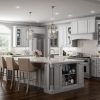
Open-plan kitchens with islands increase cabinet counts; current color directions favor warm woods, greens and rich darks alongside whites.
Cabinetry for townhome and multi-unit developments
Developments have specific cabinet needs:
- Standard unit types: design a few kitchen and bath layouts and repeat them.
- Box lists per unit type: quote and order by type, including trim.
- Stocked door styles: later buildings or phases must match the first.
- Phased deliveries: deliver building by building as interiors are ready, with dry storage.
- Spare parts: keep a few matching doors and panels for warranty and damage repairs.
- Durable construction: plywood boxes and dovetail drawers reduce callbacks across many units.
See our guide for new construction cabinet supply in Chicago.
Navigating Supply and Wholesale Options
- Built-to-order lines depend on factory schedules; plan earlier.
- In-stock wholesale lines avoid factory build time when standard sizes fit.
- Local suppliers shorten delivery and make replacements faster.
- Written confirmations and clear change terms protect large orders.
In the Chicago area, CCC Cabinets supplies builders and developers from its Des Plaines warehouse with 15 stocked door styles, assembled or ready-to-assemble, pricing quoted per project and no minimum order. Popular development styles include Pure White and Light Grey; see all on the cabinets page.
Trends in Kitchen Cabinetry
- Warmer palettes: wood tones, greens and creams; see 2026 color trends.
- More drawers: drawer bases replacing door bases near the cooking zone.
- Tall storage: pantries and appliance garages to clear counters.
- Simple doors: Shaker and mini Shaker profiles remain the core of builder kitchens.
Frequently Asked Questions
What drives demand in the kitchen cabinetry market?
Cabinet demand comes mainly from new housing construction, where every new unit needs kitchen and bath cabinets, and from remodeling of existing homes, including rental turnovers. Design preferences such as islands and more drawers also raise the number of cabinets per kitchen.
Where can I find data on Midwest housing construction?
The U.S. Census Bureau’s New Residential Construction program publishes monthly national and regional data on building permits, housing starts, units under construction and completions. Regional figures let builders and suppliers follow trends in the Midwest specifically.
What cabinets work best for townhome developments?
Townhome developments do best with a few standard layouts, durable construction such as plywood boxes and dovetail drawers, and stocked neutral door styles so later phases and repairs match. Ordering by unit type, including trim, and phasing deliveries building by building keeps the project organized.
How can builders avoid cabinet delays on large projects?
Lock layouts and selections early, use stocked styles where standard sizes fit, order complete phases including trim, get delivery dates in writing, prepare dry storage on site and inspect deliveries immediately so replacements can start right away.
Conclusion
Cabinet demand rises and falls with construction and remodeling activity, so track current data and plan cabinet supply around your build schedule. For developments in the Chicago area, contact CCC Cabinets at (872) 241-5525 or open a trade account.
Sourcing cabinets for a Chicagoland project?
CCC Cabinets supplies 15 door styles — including Pure White cabinets — at wholesale prices from our Des Plaines, IL warehouse. Confirm availability for your door style, then choose warehouse pickup near O’Hare or scheduled delivery across Chicagoland.
Door styles to explore: Pure White · Millennium Off White · Mini White Shaker
Browse all cabinet styles · Open a dealer account · Call (872) 241-5525 · Talk to our team