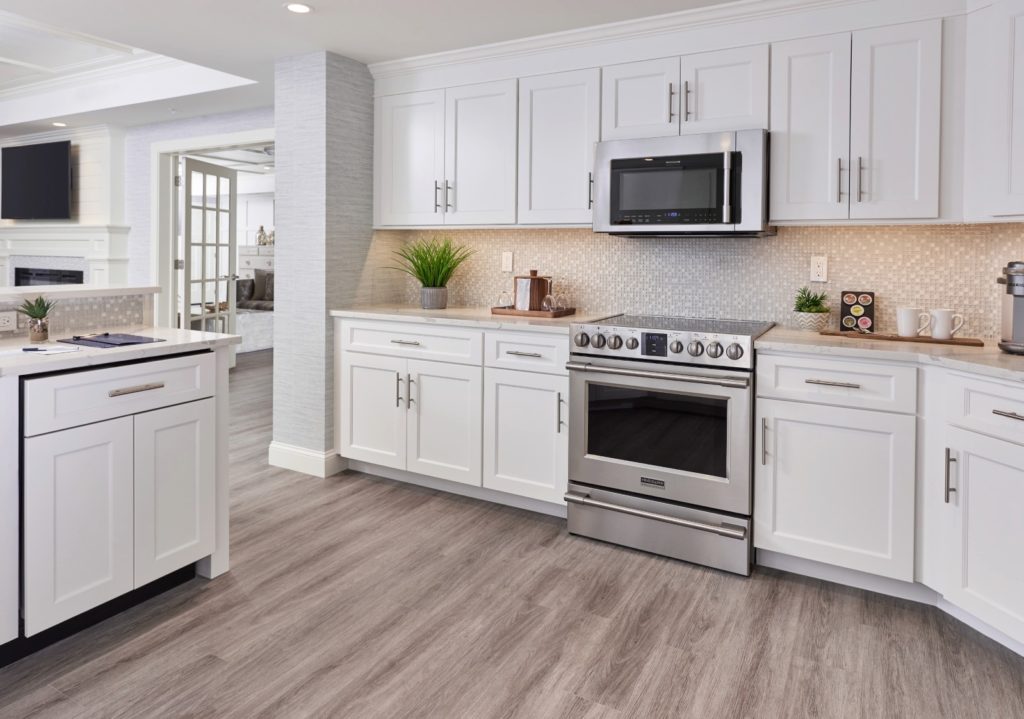
The Complete Guide to Kitchen Cabinet Design for Aging-in-Place Accessibility
As our loved ones age, ensuring their home remains a safe and comfortable environment is paramount. One of the most critical areas to focus on is the kitchen, where accessibility can significantly impact daily living. In this comprehensive guide, we will explore essential kitchen cabinet design principles that cater specifically to aging-in-place accessibility. By incorporating thoughtful designs and features, you can create a kitchen that is not only functional but also promotes independence and safety for seniors. This guide will cover everything from cabinet height and storage solutions to materials and finishes, ensuring you have the information needed to create the perfect kitchen. Let’s get started on transforming your space into a haven of accessibility!
Understanding Aging-in-Place Design
Aging-in-place design refers to creating living spaces that enable seniors to remain in their homes safely and comfortably as they grow older. Aging in place matters because many seniors prefer to stay in their own homes rather than move to assisted living facilities. By focusing on accessibility, you can significantly enhance the quality of life for aging individuals.
When it comes to kitchens, the design must prioritize ease of use, safety, and comfort. This is where the right kitchen cabinets play a pivotal role. Accessible kitchen cabinet design ensures that everything is within reach, well-organized, and easy to access, minimizing the risk of accidents and injuries.
Key Features of Accessible Kitchen Cabinets
Accessible kitchen cabinets should incorporate several key features that enhance usability for seniors. Here are some essential aspects to consider:
- Pull-out Shelves and Drawers: These allow easy access to items without bending or reaching too far. Pull-out shelves can be customized to accommodate various kitchen items, from pots and pans to canned goods.
- Soft-Close Mechanisms: Soft-close cabinet doors and drawers prevent slamming, which is particularly beneficial for seniors with limited strength. This feature enhances safety by reducing the risk of pinched fingers.
- Adjustable Heights: Cabinets that can be adjusted in height can accommodate individuals of different heights and mobility levels, making the kitchen more accessible.
- Easy-to-Use Hardware: Lever-style handles and larger knobs are easier for seniors to grip than traditional round knobs and can be operated with minimal hand strength.
- Clear Labeling: Clearly labeled cabinets and drawers help seniors identify where items are stored, reducing confusion and frustration.
Cabinet Height and Reach Considerations
When designing accessible kitchen cabinets, consider the optimal height for installation. The standard cabinet height is typically 34.5 inches, but this may not be suitable for everyone. Here are some guidelines to ensure cabinets are accessible:
- Base Cabinets: For individuals who may have difficulty bending, consider lowering the height of base cabinets to around 30 inches. This height allows for easier access to items stored inside.
- Wall Cabinets: Install wall cabinets at a height that allows easy reach. A height of 54 inches is often recommended; however, this can be adjusted based on the individual’s height and reach.
- Countertops: Ensure countertop heights are also considered. A height of 32 inches may be more comfortable for those using wheelchairs.
Utilizing pre-assembled cabinets that are adjustable can further enhance accessibility. These cabinets allow for quick installation and can be tailored to fit the specific needs of the user.
Storage Solutions for Accessibility
Effective storage solutions are vital in creating an accessible kitchen. Here are some innovative ideas to enhance storage while ensuring ease of access:
- Lazy Susans: These rotating trays can be installed in corner cabinets, allowing users to access items without reaching far back.
- Pull-Out Pantries: A pull-out pantry provides easy access to food items, eliminating the need to bend or stretch.
- Drawer Dividers: Organizing utensils and kitchen tools in drawers using dividers can help seniors find what they need quickly and easily.
| Storage Solution | Accessibility Benefits |
|---|---|
| Lazy Susans | Reduces reaching and bending |
| Pull-Out Pantries | Minimizes stretching and bending |
| Drawer Dividers | Enhances organization and visibility |
Choosing the Right Materials
The materials used in kitchen cabinet design can significantly impact durability, maintenance, and aesthetics. Here are some recommendations:
- Solid Wood: Solid wood cabinets offer durability and a timeless aesthetic. They can withstand wear and tear, making them a great long-term investment.
- Laminate: Laminate cabinets are often more affordable and come in various styles. They are easy to clean and maintain, making them suitable for seniors.
- Finishes: Opt for finishes that are easy to wipe clean and resist scratches and stains. Matte finishes are often recommended as they hide fingerprints and smudges better than glossy finishes.
For more information on available cabinet styles, check out our cabinet collections.
Designing for Safety and Convenience
Safety is a top priority when designing an accessible kitchen. Here are some design elements to consider:
- Non-Slip Flooring: Choose flooring materials that provide traction to prevent slips and falls. Vinyl and laminate flooring are excellent options.
- Adequate Lighting: Ensure that the kitchen is well-lit, particularly around work areas. Under-cabinet lighting can help illuminate countertops.
- Clear Pathways: Maintain clear pathways between cabinets and appliances to accommodate mobility aids such as walkers or wheelchairs.
Expert Tips for Aging-in-Place Kitchen Designs
Here are some expert tips to enhance the accessibility of your kitchen design:
- Incorporate Smart Technology: Smart home devices can enhance accessibility. For example, voice-activated assistants can help with tasks like adjusting lighting or controlling appliances.
- Use Color Contrast: High-contrast colors between cabinets and countertops can improve visibility, making it easier for seniors with visual impairments.
- Plan for Future Needs: Think about potential mobility changes in the future. Designing with flexibility in mind can save time and money in the long run.
Conclusion
Designing a kitchen for aging-in-place accessibility is not just about functionality; it’s about creating a space that promotes independence and safety for seniors. By focusing on key features such as cabinet height, storage solutions, and safety considerations, you can transform your kitchen into a welcoming environment for aging loved ones. At CCC Cabinets, we understand the importance of accessibility, and we offer a range of wholesale cabinetry options that cater to your needs. Contact us today to learn more about our products and services, and let’s work together to create a kitchen that enhances the quality of life for those who matter most.
Frequently Asked Questions (FAQs)
1. What is aging-in-place design?
Aging-in-place design refers to creating living spaces that allow seniors to live independently and safely in their own homes as they age.
2. Why are pull-out shelves important for accessibility?
Pull-out shelves minimize bending and reaching, making it easier for seniors to access kitchen items.
3. What cabinet height is best for seniors?
Base cabinets should be around 30 inches high, while wall cabinets can be installed at a height that is comfortable for the user, typically around 54 inches.
4. How can I make my kitchen safer for seniors?
Use non-slip flooring, adequate lighting, and maintain clear pathways to enhance safety in the kitchen.
5. What materials are recommended for aging-in-place cabinets?
Solid wood and laminate are great options, as they offer durability, ease of maintenance, and a variety of styles.
6. How can smart technology improve kitchen accessibility?
Smart home devices can assist seniors in controlling appliances and lighting, making daily tasks easier.
7. What are the benefits of soft-close cabinet mechanisms?
Soft-close mechanisms prevent slamming and reduce the risk of pinched fingers, enhancing safety for seniors.
8. Where can I find wholesale cabinets in Chicago?
CCC Cabinets offers a variety of wholesale kitchen cabinets in Chicago designed for accessibility and ease of use.
More in Cabinet Guides
Sourcing cabinets for a Chicagoland project?
CCC Cabinets supplies 15 door styles — including Mini White Shaker cabinets — at wholesale prices from our Des Plaines, IL warehouse. Confirm availability for your door style, then choose warehouse pickup near O’Hare or scheduled delivery across Chicagoland.
Door styles to explore: Mini White Shaker · Light Grey · Matcha Latte
Browse all cabinet styles · Open a dealer account · Call (872) 241-5525 · Talk to our team