How to Handle Out-of-Square Walls When Installing Cabinets in Chicago Homes
Installing cabinets in homes, especially in older properties within Chicago, can often present a unique set of challenges. One of the most common issues encountered is out-of-square walls. These walls can make it difficult to achieve a professional, seamless installation of cabinetry. In this guide, we’ll explore practical strategies for managing out-of-square walls during cabinet installation, ensuring that your project not only looks great but functions flawlessly.
Understanding Out-of-Square Walls
Before diving into solutions, it’s important to understand what out-of-square walls mean. Essentially, a wall is considered out of square when the corners do not form perfect right angles. This can be caused by various factors, including settling of the building, poor construction practices, or simply the age of the home. When cabinets are installed against these walls, it can lead to gaps, uneven spacing, and an overall unappealing appearance.
Assessing the Situation
The first step in handling out-of-square walls is to assess the condition of the walls where the cabinets will be installed. Use a level to check the vertical and horizontal alignment of the walls. Measure the distance between the floor and the ceiling or the top of the cabinets at various points along the wall. If there are significant discrepancies, you will need to account for this during installation.
Preparation: Adjusting Your Approach
Once you’ve assessed the walls, it’s time to prepare for installation. Here are some steps to consider:
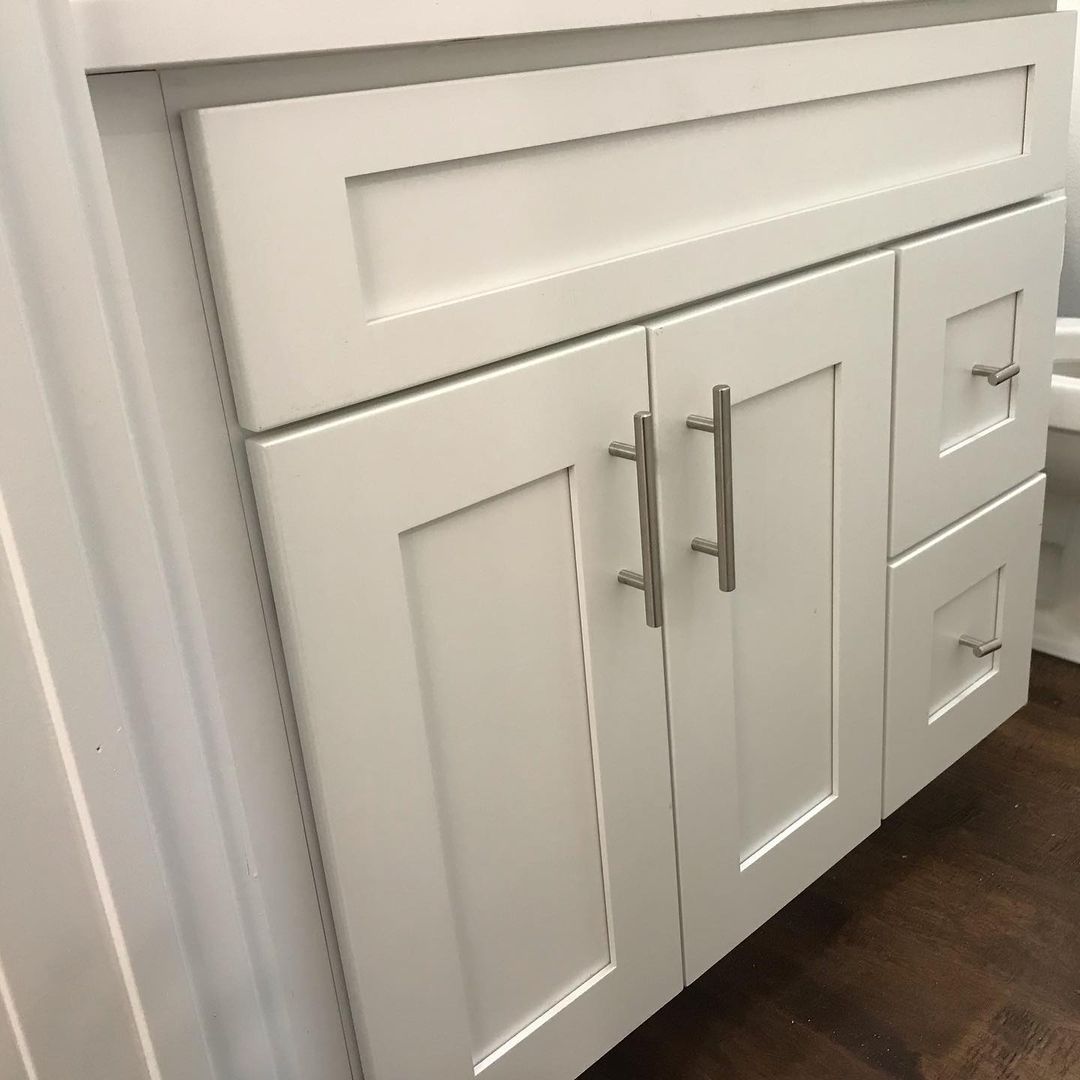
- Choose the Right Cabinets: Opt for cabinets that can be easily modified. Shaker style cabinets, for instance, often allow for easier adjustments than more ornate styles.
- Plan for Adjustments: Consider how you will adjust the installation process to accommodate the out-of-square walls. This might involve using shims, modifying cabinet sizes, or altering the installation method.
- Gather Tools and Materials: Have all necessary tools ready, including a level, measuring tape, shims, a saw, and a drill. Having everything on hand will streamline the process.
Installation Techniques for Out-of-Square Walls
Now that you’re prepared, let’s explore some effective installation techniques:
1. Shimming
One of the most common methods to compensate for out-of-square walls is shimming. Shims are thin pieces of material that can be inserted between the cabinet and the wall to create a level surface. Here’s how to do it:
- Start by installing the upper cabinets first. Use a level to check if they are straight and plumb.
- If the wall is out of square, place shims behind the cabinet where necessary to adjust the position.
- Secure the cabinets to the wall, ensuring they remain level with the shims in place.
2. Scribing
Scribing is another technique used to create a clean, professional finish when dealing with irregular walls. This method involves marking the cabinet to match the contour of the wall. Follow these steps:
- Position the cabinet in place without securing it initially.
- Use a compass or a scribing tool to mark the cabinet along the wall.
- Remove the cabinet and carefully cut along the scribed line to fit the wall’s contours.
- Reinstall the cabinet, ensuring a snug fit against the wall.
3. Adjusting Cabinet Height
In some cases, adjusting the height of the cabinets can help to minimize the appearance of out-of-square walls. This can involve:
- Raising or lowering the cabinet by adjusting the legs or mounting brackets.
- Cutting the bottom of the cabinet if necessary, to accommodate for slopes in the floor.
4. Using Custom Inserts
For those particularly challenging situations, consider using custom inserts or fillers. These can bridge gaps where the cabinet doesn’t meet the wall perfectly. Fillers can be made from leftover cabinet material or purchased at a home improvement store.
Final Touches
After installation, it’s essential to complete the project with final touches:
- Caulking: Use caulk to fill in any gaps between the cabinets and the wall. This not only improves the appearance but also prevents dirt and debris from accumulating.
- Painting: If there are visible gaps after installation, consider painting the edges or using trim to create a polished look.
- Install Cabinet Hardware: Choose hardware that complements the style of your cabinets. Ensure that handles and knobs are installed at consistent heights.
Conclusion
Handling out-of-square walls can be a daunting task, but with the right techniques and preparation, you can achieve a professional-looking cabinet installation in your Chicago home. Remember to assess the walls carefully, adjust your installation methods as needed, and take the time to finish with details that enhance the overall look. For those in need of quality cabinetry, consider visiting CCC Cabinets in Des Plaines, IL, for a wide variety of in-stock solid wood kitchen cabinets to fit your unique space. Call (872) 241-5525 to speak with our cabinet specialists today!
More in Hardware & Function
Sourcing cabinets for a Chicagoland project?
CCC Cabinets supplies 15 door styles — including Shaker Blue cabinets — at wholesale prices from our Des Plaines, IL warehouse. Confirm availability for your door style, then choose warehouse pickup near O’Hare or scheduled delivery across Chicagoland.
Door styles to explore: Shaker Blue · Mini White Shaker · Mini Shaker Cappuccino
Browse all cabinet styles · Open a dealer account · Call (872) 241-5525 · Talk to our team