The Complete Guide to Cabinet Box Construction for Illinois Contractors
When it comes to kitchen remodeling or new construction projects, choosing the right cabinetry is crucial for both aesthetics and functionality. As a contractor in Illinois, understanding the intricacies of cabinet box construction can greatly impact your project outcomes and client satisfaction. In this comprehensive guide, we will delve into the various aspects of cabinet box construction, including materials, construction techniques, and best practices that ensure high-quality results.
Why Cabinet Box Construction Matters
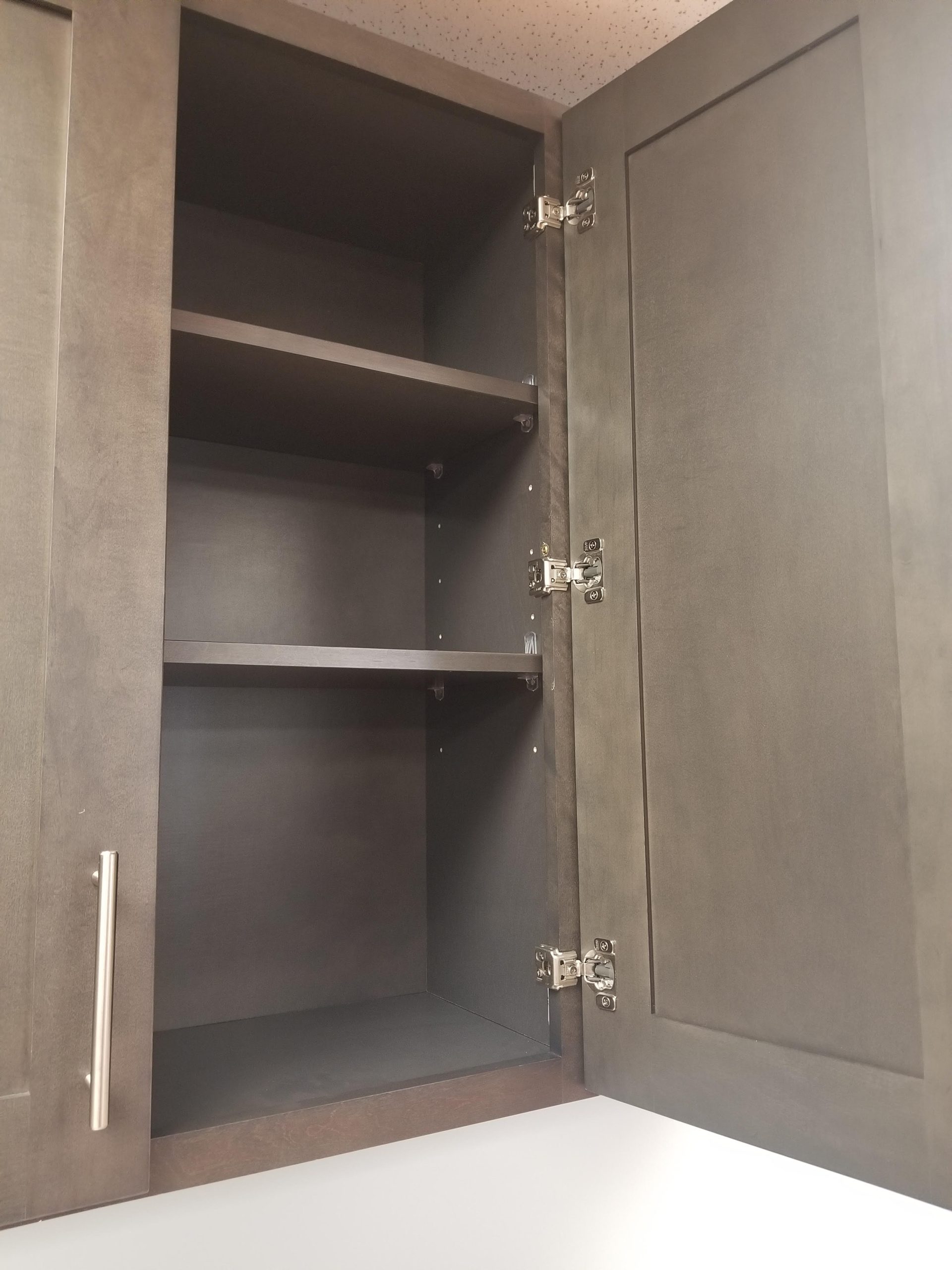
Cabinet boxes serve as the backbone of any cabinetry. Their durability, strength, and quality directly influence the longevity of the cabinets and the overall satisfaction of your clients. A well-constructed cabinet box can withstand daily use, hold heavy loads, and maintain its structural integrity over time. In contrast, poorly constructed cabinets may lead to warping, sagging, and other issues that can compromise the entire cabinetry system.
Materials Used in Cabinet Box Construction
Choosing the right materials is essential for creating sturdy cabinet boxes. Here are the most common materials used in cabinet construction:
- Plywood: Plywood is a popular choice for cabinet boxes due to its strength and resistance to warping. Made from layers of wood veneer, plywood offers a stable structure that can withstand humidity and heavy use. It’s also available in various grades, allowing contractors to select the best quality for their projects.
- MDF (Medium Density Fiberboard): MDF is an engineered wood product made from wood fibers and adhesive. It’s smooth and excellent for painting, making it a popular choice for cabinet doors. However, it may not be as durable as plywood, especially in high-moisture environments.
- Particleboard: While cost-effective, particleboard is less durable than plywood and MDF. It’s made from wood chips and adhesive, and is often used in lower-end cabinets. For high-quality projects, it’s advisable to avoid particleboard for cabinet boxes.
- Solid Wood: Solid wood cabinetry is the epitome of quality. While it can be more expensive, solid wood offers unmatched durability and aesthetics. It’s important to consider the type of wood used, as different species have varying levels of strength and resistance to warping.
Construction Techniques
There are various construction techniques used in cabinet box assembly. Understanding these methods can help contractors choose the best approach for their projects:
- Framed Construction: In framed cabinets, a face frame is constructed first, and then the cabinet box is attached to it. This method provides additional strength and stability to the cabinet. It’s often used in traditional cabinetry.
- Frameless Construction: Frameless cabinets, also known as European-style cabinets, do not have a face frame. Instead, the cabinet box itself provides structural support. This style offers more accessible storage space and a sleek, modern look.
- Box Construction Methods: The most common box construction methods include dowel joints, dado joints, and biscuit joints. Each method has its advantages and can affect the overall strength and durability of the cabinet box.
Best Practices for Quality Cabinet Box Construction
To ensure that your cabinet boxes are built to last, consider the following best practices:
- Choose Quality Materials: Invest in high-quality materials that will withstand the test of time. Avoid using low-grade materials that may compromise durability.
- Pay Attention to Dimensions: Accurate measurements are crucial for a perfect fit. Ensure that all pieces are cut to the correct dimensions before assembly.
- Use Proper Joinery Techniques: Select appropriate joinery methods for strength and durability. Avoid using screws alone; instead, combine them with wood glue for added strength.
- Don’t Skimp on Hardware: Invest in quality hinges, slides, and other hardware. These components play a significant role in the functionality of the cabinets.
- Conduct Quality Control Checks: Regularly inspect your work during the construction process to identify and rectify any issues before they become larger problems.
Conclusion
Understanding cabinet box construction is essential for Illinois contractors looking to deliver high-quality cabinetry that meets clients’ needs. By choosing the right materials, employing effective construction techniques, and following best practices, you can ensure that your cabinetry projects are not only visually appealing but also durable and functional. As you continue to hone your skills in cabinet box construction, remember that quality workmanship leads to satisfied clients and successful projects.
For more information about wholesale cabinet options and construction support, contact CCC Cabinets at +1 872-241-5525 or visit our website. Serving the Chicagoland area, we offer a wide selection of in-stock solid wood kitchen cabinets perfect for your next project.
More in Materials & Construction
Sourcing cabinets for a Chicagoland project?
CCC Cabinets supplies 15 door styles — including Mini Shaker Cappuccino cabinets — at wholesale prices from our Des Plaines, IL warehouse. Confirm availability for your door style, then choose warehouse pickup near O’Hare or scheduled delivery across Chicagoland.
Door styles to explore: Mini Shaker Cappuccino · Cappuccino · Dark Grey
Browse all cabinet styles · Open a dealer account · Call (872) 241-5525 · Talk to our team