
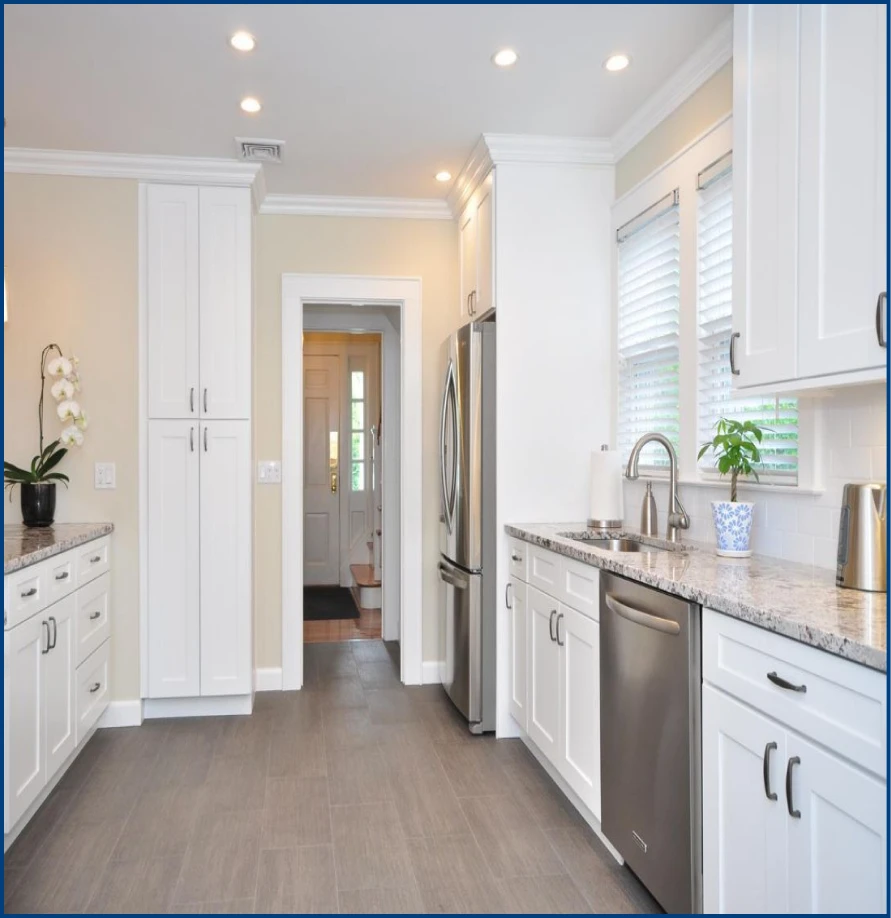
The Ultimate Guide to Sequencing Cabinet Installation with Countertops and Flooring
When it comes to kitchen renovations, understanding how contractors sequence cabinet installation with countertop and flooring work is crucial for achieving a seamless and efficient transformation. This guide will provide you with in-depth insights into the best practices for sequencing these essential elements of kitchen design, ensuring that your project runs smoothly from start to finish. As a contractor or a homeowner, knowing the right steps can save you time, reduce costs, and ultimately lead to a more successful kitchen remodel.
1. Understanding the Importance of Sequencing
Sequencing cabinet installation with countertop and flooring work is not just a matter of preference; it is a fundamental aspect of ensuring a successful kitchen renovation. Proper sequencing can help prevent damage to materials, avoid costly delays, and ensure that all elements fit together seamlessly. When contractors and homeowners understand the optimal order of operations, they can create a project timeline that aligns with the delivery and installation of materials.
The importance of sequencing can be illustrated through a simple analogy: think of it like building a house. You wouldn’t put the roof on before the walls are constructed. Similarly, in a kitchen renovation, cabinets should be installed in a sequence that allows for the final touches—like countertops and flooring—to be added without hindrance or complication.
2. The Role of Cabinets in Kitchen Design
Cabinets serve as the backbone of kitchen functionality and aesthetics. They provide storage, organization, and a framework for the overall design. The choice of cabinets can dramatically influence the kitchen’s style, from modern to traditional, and impact the usability of the space.
As a leading cabinet supplier in Des Plaines, CCC Cabinets offers a variety of options, including solid wood kitchen cabinets that are ready for quick pickup. This in-stock availability allows contractors to plan and execute their projects efficiently. Understanding the role of cabinets in the overall kitchen design helps contractors make informed decisions during the installation process.
3. Preparing for Installation: What Contractors Need to Know
Before beginning the installation process, contractors must ensure that all necessary preparations are in place. This involves measuring the space accurately, assessing the condition of existing structures, and confirming the availability of all materials needed for the job. Here are some critical steps to follow:
- Site Assessment: Evaluate the kitchen space for any structural issues, plumbing, and electrical configurations that may affect cabinet placement.
- Material Check: Ensure that all cabinets, countertops, and flooring materials are available and in good condition.
- Tools Preparation: Gather all necessary tools for installation, including levels, drills, and measuring tapes.
- Project Timeline: Create a timeline that outlines each phase of the project, including when materials will be delivered and when installations will occur.
4. Step-by-Step Sequencing of Cabinet Installation
Sequencing cabinet installation involves a strategic approach to ensure that each component is installed in the correct order. Here’s a step-by-step guide:
Step 1: Install the Flooring
Generally, it is advisable to install the flooring before the cabinets. This allows for a clean, uninterrupted surface and prevents damage to the cabinets during flooring installation. Whether you choose hardwood, laminate, or tile, make sure the flooring is properly acclimated and installed according to manufacturer guidelines.
Step 2: Install the Cabinets
Once the flooring is in place, the next step is to install the cabinets. Here are some key considerations:
- Layout Planning: Use the kitchen design layout to determine where each cabinet will go. Mark the wall for cabinet heights and positions.
- Wall-Mounted Cabinets: Start with wall-mounted cabinets, ensuring they are level and securely anchored.
- Base Cabinets: Install base cabinets next, ensuring they are level and plumb. Use shims if necessary.
Step 3: Countertop Installation
After the cabinets are securely in place, it’s time to install the countertops. This step typically involves the following:
- Template Creation: For custom countertops, create a template based on the cabinet layout.
- Countertop Installation: Install the countertops according to manufacturer instructions, ensuring they are secured properly.
Step 4: Final Touches
Once the countertops are in place, complete the kitchen with final touches such as backsplash installation, cabinet hardware, and any additional decorative elements.
5. Integrating Countertops and Flooring
Integrating countertops and flooring with cabinet installation requires careful attention to detail. Here are some tips to ensure a cohesive look:
- Color Coordination: Choose countertop and flooring materials that complement the cabinet color and style.
- Height Considerations: Be mindful of the height differences between flooring and countertops to ensure a seamless transition.
- Material Compatibility: Ensure that the materials used for countertops and flooring are compatible in terms of durability and maintenance.
Comparison Table: Common Kitchen Flooring and Countertop Materials
| Material Type | Durability | Maintenance Level | Cost Range |
|---|---|---|---|
| Hardwood Flooring | Moderate | High | $$$ |
| Laminate Flooring | Low | Low | $$ |
| Tile Flooring | High | Moderate | $$$ |
| Granite Countertops | High | Moderate | $$$$ |
| Quartz Countertops | High | Low | $$$$ |
6. Common Mistakes to Avoid
Even experienced contractors can make mistakes during cabinet installation. Here are some common pitfalls to watch out for:
- Ignoring Measurements: Always double-check measurements before cutting or installing materials.
- Rushing the Process: Take the time to ensure each step is completed correctly; rushing can lead to costly mistakes.
- Neglecting Quality Control: Inspect materials for defects before installation to avoid issues later on.
7. FAQs
What is the best order for kitchen renovation?
The best order is typically flooring first, followed by cabinet installation, and then countertops.
Can I install cabinets over existing flooring?
Yes, but it’s generally recommended to install cabinets on the subfloor to ensure stability.
How long does it take to install cabinets?
Installation time can vary based on the complexity of the project, but it typically takes 1-3 days.
What type of cabinet is best for kitchen renovations?
Solid wood cabinets are often recommended for their durability and aesthetic appeal.
How do I ensure my cabinets are level?
Use a level tool during installation and adjust with shims as necessary.
Can I install countertops before cabinets?
It is not recommended; cabinets should support the countertops for proper installation.
What is the average cost of cabinet installation?
The cost depends on materials and labor, so get an itemized quote for your project.
How do I choose the right cabinet style?
Consider the overall kitchen design, your storage needs, and personal style preferences.
Are pre-assembled cabinets worth it?
Yes, they can save time and reduce installation complexity, making them a great option for contractors.
Where can I find wholesale kitchen cabinets in Chicago?
CCC Cabinets offers a wide selection of wholesale kitchen cabinets in Chicago, perfect for contractors and builders.
What is the best countertop material for kitchens?
Granite and quartz are popular choices for their durability and low maintenance.
How do I maintain my kitchen cabinets?
Regular cleaning with mild soap and water, along with occasional polishing, will keep cabinets looking new.
Conclusion
Sequencing cabinet installation with countertops and flooring work is essential for achieving a successful kitchen renovation. By following the steps outlined in this guide and avoiding common mistakes, contractors can ensure that their projects run smoothly and efficiently. Remember to choose high-quality materials, like those offered by CCC Cabinets, to enhance the beauty and functionality of your kitchen. For more information on our products or to contact us, visit our website today.
More in Contractor Resources
Sourcing cabinets for a Chicagoland project?
CCC Cabinets supplies 15 door styles — including Pure White cabinets — at wholesale prices from our Des Plaines, IL warehouse. Confirm availability for your door style, then choose warehouse pickup near O’Hare or scheduled delivery across Chicagoland.
Door styles to explore: Pure White · Millennium White · Millennium Grey
Browse all cabinet styles · Open a dealer account · Call (872) 241-5525 · Talk to our team