
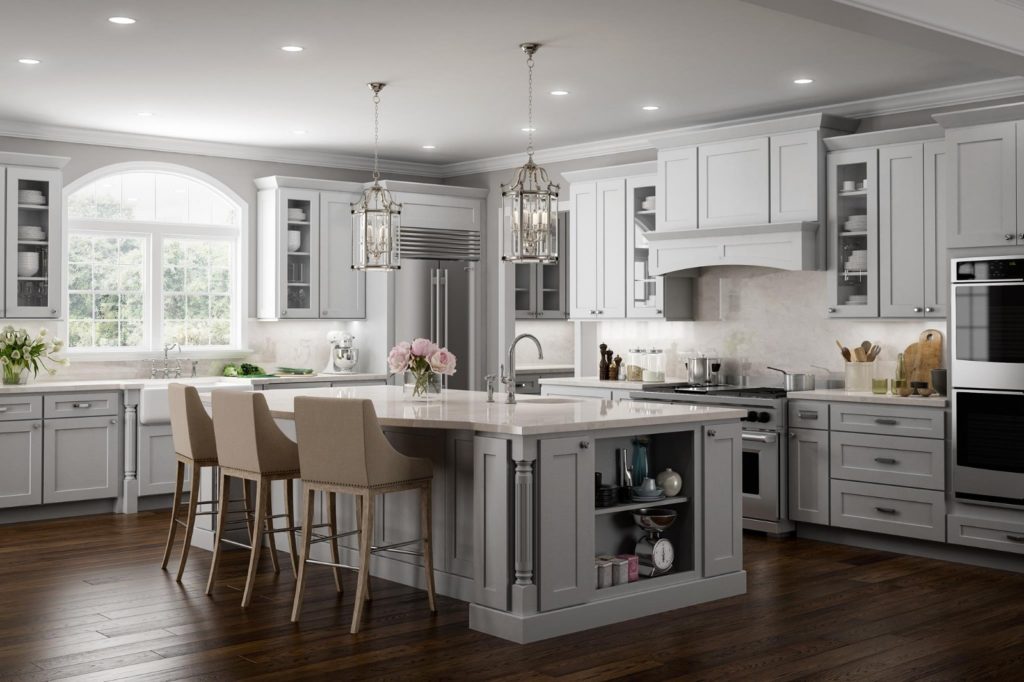
Navigating Kitchen Cabinet Projects in Historic Chicago Brownstones
For contractors working in the vibrant and historic neighborhoods of Chicago, navigating kitchen cabinet projects in brownstones presents both challenges and opportunities. As a city renowned for its stunning architecture and rich history, Chicago’s brownstones boast unique characteristics that require careful consideration during renovations. In this comprehensive guide, we will explore how contractors can effectively manage kitchen cabinet projects in these iconic buildings, ensuring that both aesthetic integrity and modern functionality are preserved. By the end of this article, you will gain insight into the best practices, tips, and strategies for delivering exceptional results that meet the demands of clients while respecting the historical significance of these homes.
Understanding the Unique Characteristics of Chicago Brownstones
Chicago brownstones are characterized by their iconic facades, often featuring intricate brickwork, large bay windows, and ornate detailing. These historic structures were predominantly built in the late 19th and early 20th centuries, reflecting a variety of architectural styles, including Romanesque Revival and Italianate design. As a contractor, understanding these unique characteristics is crucial when planning kitchen cabinet projects. Here are some key features to consider:
- Architectural Constraints: Many brownstones have specific architectural elements that can limit the scope of renovations. For example, high ceilings and narrow spaces may require custom cabinet solutions to maximize storage while maintaining visual appeal.
- Historical Features: Original moldings, trims, and flooring may need to be preserved or replicated to ensure the kitchen harmonizes with the rest of the home. This often means selecting cabinets and materials that complement these historical elements.
- Structural Considerations: The age and condition of the building’s structure can affect installation methods. Contractors must assess load-bearing walls and plumbing configurations to avoid compromising the integrity of the building.
The Importance of Historical Preservation
Preserving the historical integrity of Chicago brownstones is not just a matter of aesthetics; it also involves compliance with local regulations and respect for the community’s heritage. The Chicago Landmarks Commission plays a vital role in protecting these structures, and contractors must familiarize themselves with preservation guidelines. Here are some reasons why historical preservation is essential:
- Community Value: Brownstones contribute significantly to the character of Chicago neighborhoods. Renovations that respect their history help maintain property values and community pride.
- Legal Compliance: Many brownstones are designated as historic landmarks, which may impose restrictions on renovations. Failing to comply with these regulations can result in fines or the reversal of completed work.
- Client Expectations: Homeowners often seek to preserve the charm of their historic homes. Understanding the importance of historical preservation can help contractors align their work with client expectations.
Choosing the Right Kitchen Cabinets for Brownstones
When selecting kitchen cabinets for brownstone renovations, contractors must consider both style and functionality. The goal is to choose cabinets that enhance the kitchen’s aesthetic while providing practical storage solutions. Here are some factors to consider:
1. Style Compatibility
Brownstones often feature traditional or transitional styles. Opt for cabinets with classic designs, such as shaker or raised panel doors, which complement the historical architecture. Espresso shaker cabinets are a popular choice for their timeless appeal.
2. Material Selection
Solid wood cabinets are not only durable but also align with the quality expected in historic renovations. Materials like maple, cherry, and oak are excellent choices for their strength and rich finishes. For a more contemporary twist, consider incorporating grey or blue cabinets, which can provide a fresh contrast to traditional elements.
3. Customization Options
Due to the unique layouts of brownstones, custom cabinetry may be necessary. This allows for better utilization of space, especially in kitchens with unusual dimensions. Contractors should work with suppliers who offer customizable solutions to meet specific project needs.
4. Color and Finish
Choosing the right color and finish is crucial in blending the kitchen with the overall design of the brownstone. Neutral tones often work best, but don’t shy away from bold hues if they can complement existing design elements. For example, pairing white cabinets with darker accents can create a sophisticated look.
Planning and Designing Kitchen Spaces
Effective planning and design are essential for successful kitchen cabinet projects in brownstones. Here are some steps to guide contractors through the process:
1. Assess the Space
Begin by evaluating the existing kitchen layout. Take note of any architectural features that will impact the design, such as windows, doors, and structural elements. This assessment will help in determining the best cabinet layout and style.
2. Develop a Design Concept
Collaborate with the homeowner to develop a cohesive design concept that aligns with their vision. Consider creating mood boards that showcase color palettes, materials, and cabinet styles. This visual representation will help in making informed decisions.
3. Create a Functional Layout
Utilize the kitchen work triangle principle, which focuses on optimizing the distance between the sink, stove, and refrigerator. A well-thought-out layout enhances functionality and ease of use.
4. Budgeting and Sourcing
Establish a budget early in the project. Consider the costs of cabinets, installation, and any additional features such as hardware and accessories. Partner with a reputable cabinet supplier like CCC Cabinets to access quality products at wholesale prices.
Navigating Local Regulations and Permits
Before commencing any renovation project in a historic brownstone, contractors must navigate local regulations and secure necessary permits. Here are key steps to consider:
1. Research Local Ordinances
Familiarize yourself with Chicago’s building codes and preservation ordinances. The Chicago Department of Planning and Development provides resources for contractors working on historic properties.
2. Submit Permit Applications
Depending on the scope of work, you may need to submit permit applications for renovations. Ensure that all documentation is complete to avoid delays in the approval process.
3. Communicate with Preservation Committees
If the brownstone is part of a designated historic district, communicate with the local preservation committee. They can provide guidance on acceptable renovations and any restrictions that may apply.
Expert Tips for Successful Cabinet Installation
Successful cabinet installation is crucial to the overall success of kitchen projects in brownstones. Here are some expert tips to ensure a smooth installation process:
1. Prepare the Space
Before installation, ensure that the space is clear and ready for work. Remove any existing cabinets and prepare the walls and flooring for new installations.
2. Use Quality Hardware
Invest in quality hardware and accessories, including hinges, drawer slides, and handles. This ensures durability and functionality in the long run. For instance, consider using six-way adjustable hinges for perfect door alignment.
3. Follow Manufacturer Guidelines
Always adhere to the manufacturer’s installation guidelines. This includes proper measurements, leveling, and securing cabinets to the wall to avoid future issues.
4. Check for Level and Alignment
Use a level to ensure all cabinets are installed evenly. Proper alignment is crucial, especially in kitchens with complex layouts.
5. Communicate with Homeowners
Maintain open communication with homeowners throughout the installation process. This ensures that any concerns or adjustments can be addressed promptly.
Case Studies: Successful Projects in Chicago Brownstones
To illustrate the effectiveness of these strategies, let’s explore a few case studies of successful kitchen cabinet projects in Chicago brownstones:
Case Study 1: Modern Meets Traditional
A contractor in Lincoln Park undertook a renovation of a historic brownstone kitchen. By using modern shaker cabinets in a soft white finish, they created a contrast with the original dark wood trim. The project included custom cabinetry that utilized every inch of space, making the kitchen both functional and visually appealing.
Case Study 2: Preserving Historical Integrity
In a brownstone in the Gold Coast neighborhood, a contractor focused on preserving the historical integrity of the kitchen. They sourced solid wood cabinets with a vintage finish to match existing elements. The project highlighted the importance of using quality materials while respecting the home’s history.
| Project | Location | Cabinet Style | Outcome |
|---|---|---|---|
| Modern Meets Traditional | Lincoln Park | Shaker Cabinets | Functional and Aesthetic Harmony |
| Preserving Historical Integrity | Gold Coast | Solid Wood Vintage Finish | Maintained Historical Charm |
Frequently Asked Questions
What are the best cabinet styles for historic brownstones?
Shaker and raised panel styles are popular choices for their timeless appeal and ability to complement traditional architecture.
Do I need a permit to renovate a kitchen in a brownstone?
Yes, many renovations in historic properties require permits. Check with the Chicago Department of Planning and Development for specific requirements.
How can I ensure my renovations comply with preservation guidelines?
Research local preservation ordinances and communicate with preservation committees to ensure compliance with regulations.
What materials are best for kitchen cabinets in historic homes?
Solid wood materials are recommended for their durability and authenticity in historic renovations.
Can I customize cabinets for unique kitchen layouts?
Yes, many cabinet suppliers offer customization options to fit unique layouts and maximize storage space.
What is the average cost of kitchen cabinets for brownstone renovations?
The cost can vary widely based on materials and customization. It’s best to establish a budget early in the process.
How long does it typically take to complete a kitchen renovation in a brownstone?
Renovation timelines can vary, but a typical kitchen renovation may take anywhere from 4 to 12 weeks, depending on the scope of work.
Where can I find quality cabinet suppliers in Chicago?
Consider reaching out to local suppliers like CCC Cabinets for quality, in-stock options.
Conclusion
Successfully navigating kitchen cabinet projects in historic Chicago brownstones requires a blend of expertise, respect for historical preservation, and a keen understanding of design. By focusing on the unique characteristics of these homes and following best practices, contractors can deliver stunning kitchens that enhance both functionality and aesthetic appeal. For contractors looking to source quality cabinetry, CCC Cabinets offers a wide range of options designed to meet the demands of such projects. Contact us today to learn more about our products and how we can support your next renovation project.
More in Home Improvement
Sourcing cabinets for a Chicagoland project?
CCC Cabinets supplies 15 door styles — including Espresso Shaker cabinets — at wholesale prices from our Des Plaines, IL warehouse. Confirm availability for your door style, then choose warehouse pickup near O’Hare or scheduled delivery across Chicagoland.
Door styles to explore: Espresso Shaker · Mini White Shaker · Shaker Blue
Browse all cabinet styles · Open a dealer account · Call (872) 241-5525 · Talk to our team