How Many Cabinets Do You Need? Measuring Guide for Chicago Builders
When it comes to planning a kitchen or bathroom renovation, one of the most crucial decisions builders and contractors must make is determining how many cabinets are necessary to meet their clients’ needs. This guide will help you understand how to measure for cabinets effectively, ensuring that your projects are both functional and aesthetically pleasing. By following these steps, you can avoid common pitfalls and deliver outstanding results for your clients in the Chicago area.
Understanding Cabinet Types
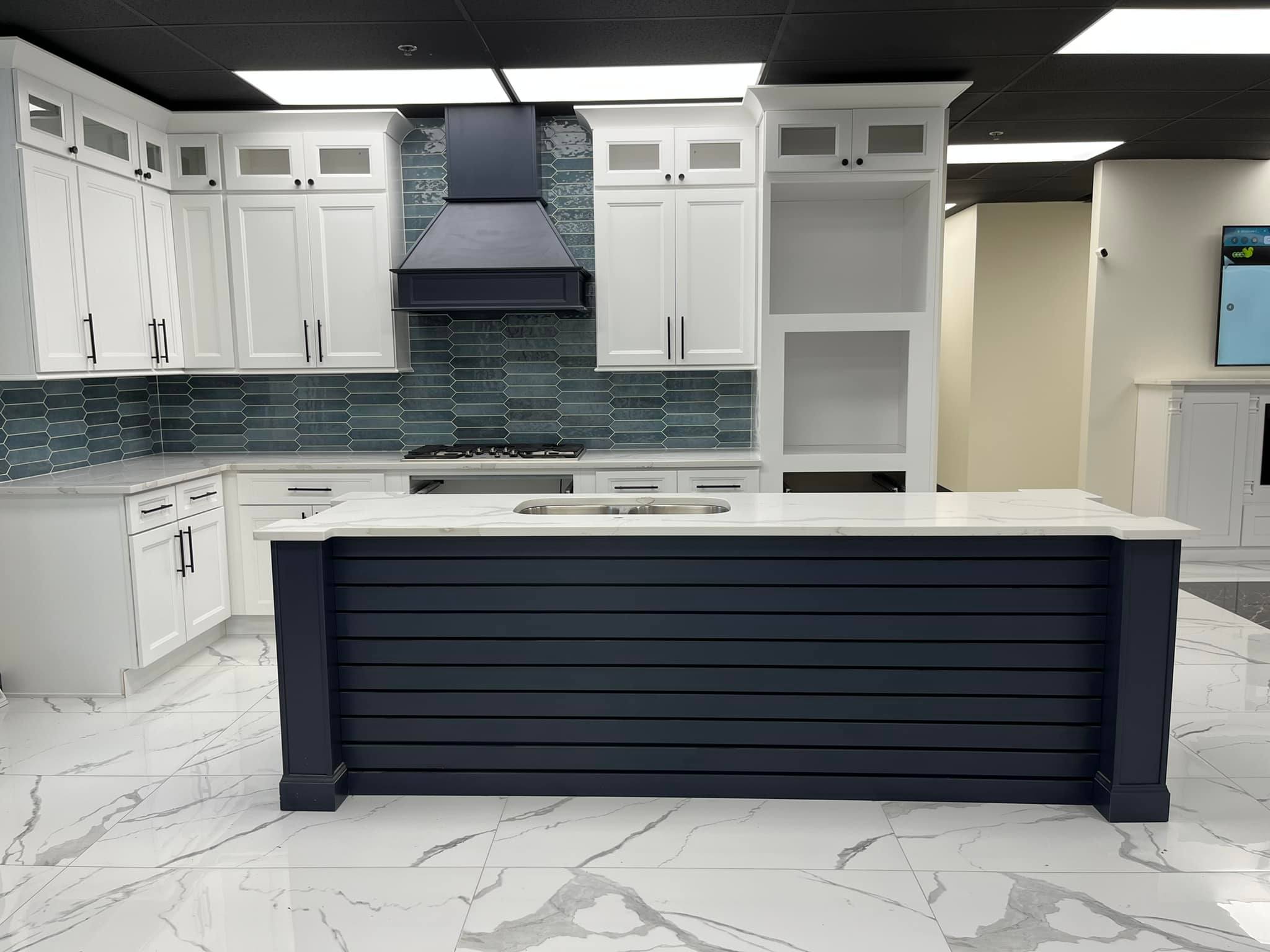
Before diving into measurements, it’s essential to understand the types of cabinets available. Cabinets generally fall into three categories: base cabinets, wall cabinets, and tall cabinets. Base cabinets sit on the floor and support the countertop, wall cabinets hang above the countertop, and tall cabinets are typically used for pantry storage or as utility cabinets.
Step 1: Assess the Space
Begin by evaluating the space where the cabinets will be installed. Take note of the dimensions of the room, including the height, width, and depth. Consider existing features such as windows, doors, and appliances, as these will impact cabinet placement and size. Using a tape measure, record the measurements in a sketch. This visual reference will be invaluable throughout the project.
Step 2: Measure for Base Cabinets
Base cabinets typically have a standard height of 34.5 inches, with the addition of a countertop bringing the total to about 36 inches. To determine the number of base cabinets required, follow these steps:
- Width Measurement: Measure the total width of the wall where the base cabinets will be installed. Subtract any spaces needed for appliances, such as dishwashers and ovens, which typically require a 24-inch width.
- Cabinet Depth: Standard base cabinets are usually 24 inches deep. Ensure that the depth fits within the kitchen layout and does not obstruct walkways.
- Cabinet Configuration: Decide on the configuration of the base cabinets. For example, a combination of drawers and doors can maximize functionality. Determine how many cabinets will fit within the measured width, and calculate the total number needed.
Step 3: Measure for Wall Cabinets
Wall cabinets typically range from 12 to 30 inches in height and 12 to 24 inches in depth. To measure for wall cabinets:
- Height Measurement: Wall cabinets should be installed 18 inches above the countertop. Measure from the countertop to the ceiling to determine how much space is available.
- Width Measurement: Similar to base cabinets, measure the total wall length available for wall cabinets. Subtract any spaces for windows or doors.
- Cabinet Configuration: Decide on the number and type of wall cabinets. Consider whether you want open shelving or enclosed cabinets, and how they will complement the base cabinets.
Step 4: Measure for Tall Cabinets
Tall cabinets are typically around 84 to 96 inches high and can serve various functions, from pantry storage to utility areas. To measure for tall cabinets:
- Height Measurement: Measure the height of the area where the tall cabinet will be installed, ensuring it fits within the space without obstructing ceiling features.
- Width Measurement: Standard tall cabinets are often 24 inches wide. Measure the total width available for the installation.
- Cabinet Configuration: Decide if the tall cabinet will be a pantry, utility, or combo storage unit, and how many will fit in the designated area.
Step 5: Finalizing Your Cabinet Count
Once you have measured each type of cabinet, it’s time to tally your total cabinet count. Consider the following:
- Functional Needs: Discuss with your clients their storage needs. Are they avid cooks needing more pantry space, or do they prefer a minimalist look?
- Design Aesthetics: Ensure the number of cabinets aligns with the overall design vision, maintaining balance and proportion in the space.
- Future Growth: Anticipate future storage needs. If your clients plan to expand their kitchenware collection, consider including additional cabinets.
Conclusion
Determining how many cabinets are needed for a renovation project is a critical step for builders and contractors in the Chicago area. By following this measuring guide, you can ensure that you provide your clients with the right amount of storage solutions tailored to their specific needs. At CCC Cabinets, we offer a wide selection of solid wood kitchen cabinets available for fast pickup and delivery throughout Chicagoland. Contact us today at +1 872-241-5525 to speak with our cabinet specialists, or open a wholesale account to access our full cabinet collection. Don’t forget to schedule a showroom visit in Des Plaines near O’Hare. Let us help you bring your clients’ vision to life!
More in Local Guides
Near Des Plaines? Visit our cabinet warehouse.
CCC Cabinets supplies 15 door styles at wholesale prices from our Des Plaines, IL store and warehouse — confirm availability for your door style, then choose warehouse pickup near O’Hare or scheduled delivery across Chicagoland.
Door styles to explore: Black Roast · Pure White · Millennium White
Browse all cabinet styles · Open a dealer account · Call (872) 241-5525 · Talk to our team