How Illinois Property Flippers Budget for Kitchen Cabinets in 2026
In the ever-evolving real estate market of Illinois, property flipping has become a lucrative venture for many investors. With the right strategies in place, flippers can maximize their profits and minimize expenses. One of the most significant costs in a flip is the kitchen renovation, particularly the cabinets. As we approach 2026, understanding how to budget for kitchen cabinets effectively is essential for those looking to succeed in this competitive industry.
Understanding the Importance of Kitchen Cabinets
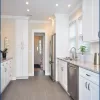
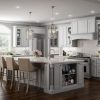
The kitchen is often considered the heart of the home and plays a crucial role in a buyer’s decision-making process. High-quality kitchen cabinets can transform a dated space into a modern, appealing environment that attracts potential buyers. Therefore, when budgeting for a flip, it’s essential to allocate a reasonable portion of the budget to kitchen cabinets.
Researching Cabinet Styles and Trends
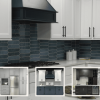
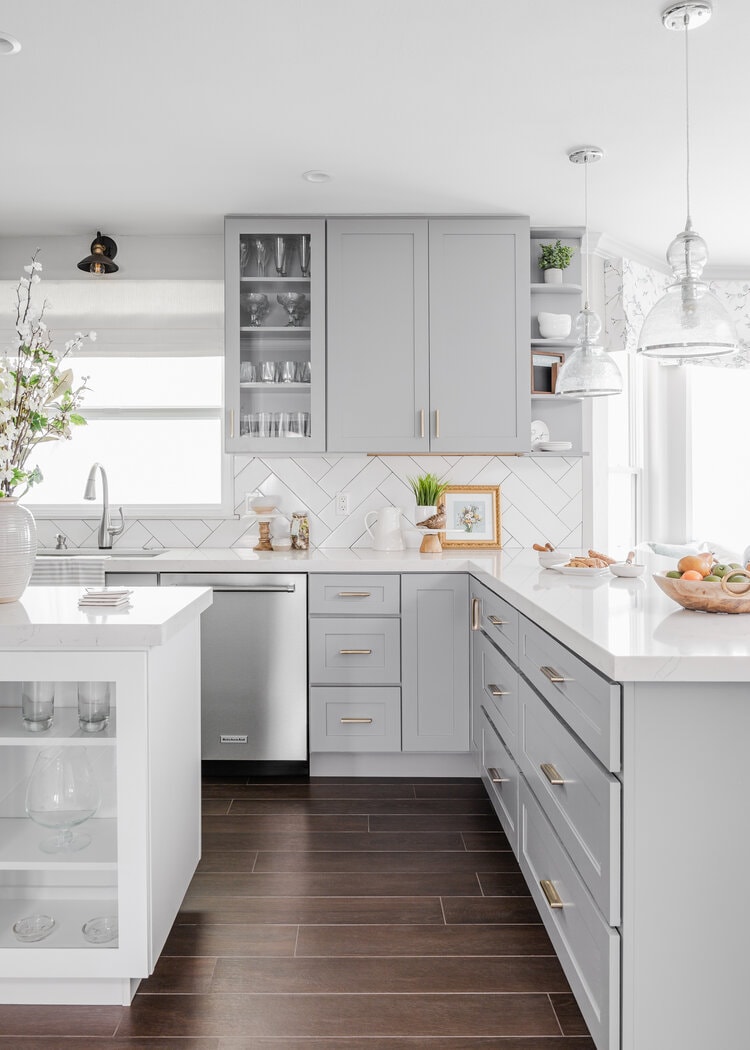
As we move into 2026, it’s vital for property flippers to stay updated on the latest kitchen cabinet trends. Popular styles include shaker cabinets, modern door styles, and elegant finishes that enhance the overall aesthetic of the kitchen. Flippers should conduct thorough research on current trends and choose cabinet styles that appeal to their target market.
Choosing Between Stock, Semi-Custom, and Custom Cabinets
When budgeting for kitchen cabinets, property flippers must decide between stock, semi-custom, and custom cabinets:
- Stock Cabinets: These are pre-manufactured and readily available at a lower cost. They are a great option for flippers looking to save on expenses while still offering quality.
- Semi-Custom Cabinets: These cabinets provide more flexibility in terms of design and are available in various finishes and sizes. They come at a moderate price point and are ideal for flippers wanting a balance between cost and customization.
- Custom Cabinets: While these offer the highest level of customization, they also come with a hefty price tag. Custom cabinets are suitable for high-end flips where the goal is to maximize profits through premium finishes.
Setting a Realistic Budget
Creating a realistic budget is crucial for any property flipper. Here’s a breakdown of how to allocate funds for kitchen cabinets:
- Determine the Total Renovation Budget: Establish your overall budget for the renovation project before diving into specific costs.
- Allocate Funds for Cabinets: A good rule of thumb is to allocate 30% of your total renovation budget to kitchen cabinets.
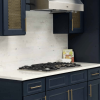
- Consider Additional Costs: Don’t forget to factor in costs for installation, hardware, and any necessary modifications or upgrades. This may include new countertops or backsplash that complement the cabinets.
Utilizing Wholesale Cabinet Suppliers
To save costs, many Illinois property flippers turn to wholesale cabinet suppliers like CCC Cabinets. By purchasing cabinets in bulk, flippers can take advantage of wholesale pricing, maximizing their budget. CCC Cabinets offers a wide range of in-stock solid wood kitchen cabinets with various door styles, ensuring quick pickup and delivery options.
Benefits of Working with Wholesale Suppliers
- Cost Savings: Buying directly from a wholesale supplier can significantly reduce the overall cost of kitchen cabinets.
- Quick Turnaround: With in-stock options, flippers can quickly pick up their cabinets and keep their project on schedule.
- Consistent Quality: Established suppliers typically maintain consistent quality across their inventory, ensuring that all cabinets meet the required standards.
Planning for Installation and Assembly
Another critical aspect of budgeting for kitchen cabinets is planning for installation. Property flippers can choose between hiring professionals or opting for DIY installation. Each option comes with its costs:
- Hiring Professionals: While this may incur higher upfront costs, it ensures high-quality installation and saves time.
- DIY Installation: For those with the skills and tools, installing cabinets themselves can save money, but it’s essential to factor in the time commitment.
Monitoring and Adjusting Your Budget
Once the budget is set, it’s crucial to monitor expenses throughout the renovation process. Property flippers should keep track of all costs related to kitchen cabinets, from purchase to installation. Adjustments may be necessary as unforeseen expenses arise. Maintaining a flexible budget allows flippers to adapt to changes without compromising the overall quality of the project.
Frequently Asked Questions About Budgeting for Kitchen Cabinets
What is the average cost of kitchen cabinets in Illinois?
The cost can vary significantly based on the type of cabinets chosen. Stock cabinets generally cost less than semi-custom cabinets; request a quote for current trade pricing. Custom cabinets typically cost more per linear foot than stock lines.
Are there financing options available for purchasing cabinets?
Many wholesale suppliers offer financing options or payment plans, making it easier for property flippers to manage their budgets.
How can I ensure I am getting quality cabinets?
Research suppliers, read reviews, and request samples to ensure the quality of the cabinets you are considering.
What are some common mistakes to avoid when budgeting for cabinets?
Some common mistakes include underestimating costs, failing to account for installation, and not researching suppliers adequately.
Conclusion
Budgeting for kitchen cabinets is a critical component of property flipping in Illinois. By understanding the different options available, setting a realistic budget, and utilizing wholesale suppliers, flippers can make informed decisions that positively impact their bottom line. As 2026 approaches, staying current with trends and best practices will ensure success in this competitive market. For more information on wholesale cabinet options, reach out to CCC Cabinets at (872) 241-5525 or visit our website to explore our collections.
More in Cost & Budgeting
Sourcing cabinets for a Chicagoland project?
CCC Cabinets supplies 15 door styles — including Pure White cabinets — at wholesale prices from our Des Plaines, IL warehouse. Confirm availability for your door style, then choose warehouse pickup near O’Hare or scheduled delivery across Chicagoland.
Door styles to explore: Pure White · Millennium White · Millennium Grey
Browse all cabinet styles · Open a dealer account · Call (872) 241-5525 · Talk to our team