
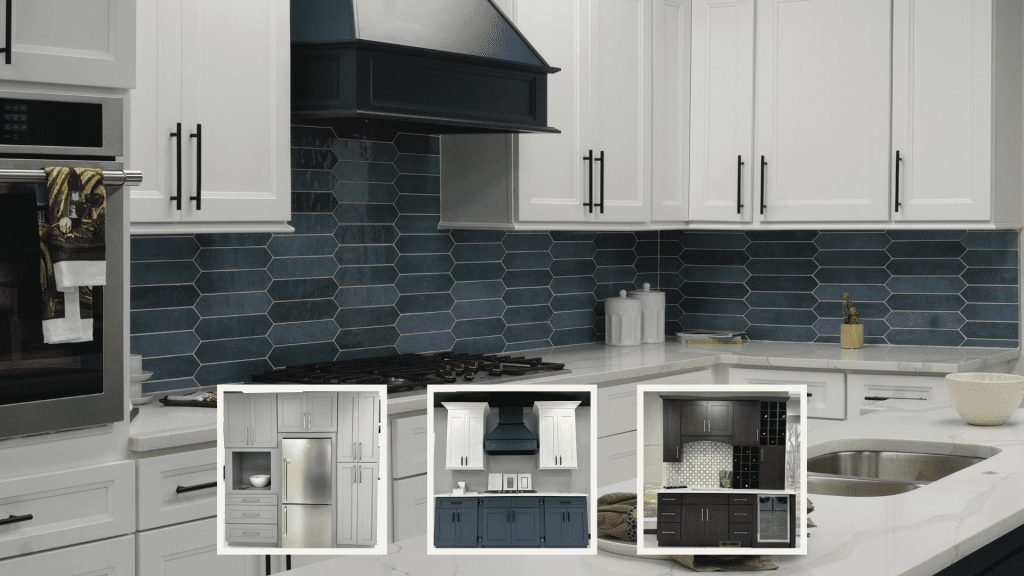
Mastering Seasonal Ordering: How Cabinet Suppliers Adapt to Demand
When it comes to the construction industry, understanding how cabinet suppliers handle seasonal ordering patterns and peak construction demand is crucial for contractors, builders, and remodelers alike. The cabinet supply chain is an intricate web that responds dynamically to the cyclical nature of construction projects. In this article, we will delve into the strategies that cabinet suppliers, like CCC Cabinets, implement to ensure they meet the needs of their customers during peak seasons while maintaining quality and efficiency. By the end of this guide, you will have a comprehensive understanding of the seasonal trends affecting cabinet supply and actionable insights to better navigate your own ordering processes.
Understanding Seasonal Ordering Patterns
Seasonal ordering patterns in the cabinetry industry are influenced by various factors, including weather conditions, economic cycles, and consumer trends. During the spring and summer months, contractors and builders ramp up their projects, leading to increased demand for kitchen cabinets and other cabinetry solutions. According to the U.S. Census Bureau, residential construction typically peaks during these warmer months, which can lead to supply chain challenges.
Additionally, holiday seasons often see a spike in kitchen remodeling projects as homeowners prepare for family gatherings. Understanding these patterns allows cabinet suppliers to anticipate demand and adjust their inventory accordingly. For instance, CCC Cabinets, located conveniently near O’Hare in Des Plaines, IL, ensures that they have a variety of in-stock kitchen cabinets ready for fast pickup, making them a preferred choice for contractors in the Chicago area.
Impact of Peak Construction Demand
The impact of peak construction demand on cabinet suppliers is multifaceted. Increased demand can lead to longer lead times, inventory shortages, and potential quality issues if not managed properly. For example, during the summer months, the demand for shaker cabinets may surge as homeowners and builders alike opt for this timeless style. This spike can strain suppliers who may not have the necessary stock or resources to fulfill orders promptly.
Moreover, economic factors such as inflation and changes in lumber prices can further complicate supply chain dynamics. Rising material costs have forced many suppliers to adjust their pricing strategies, which can impact overall project budgets for contractors.
Strategies for Managing Demand
Cabinet suppliers employ several strategies to effectively manage demand during peak seasons:
- Inventory Management: Effective inventory management systems are essential. Suppliers like CCC Cabinets leverage sophisticated forecasting tools to predict demand trends and adjust their inventory levels accordingly. This ensures that they can meet contractor needs without overstocking, which can lead to increased holding costs.
- Flexible Supply Chain: Building a flexible supply chain is crucial for adapting to fluctuations in demand. This might involve establishing relationships with multiple manufacturers or diversifying product lines to include various styles and finishes.
- Pre-Ordering Systems: Implementing pre-order systems allows contractors to secure their cabinetry needs in advance. This not only helps suppliers gauge demand but also ensures that contractors have the materials they need when they need them.
- Communication: Maintaining open lines of communication with contractors is vital. Suppliers can provide updates on inventory levels, expected lead times, and any potential delays due to supply chain disruptions.
The Role of Technology in Supply Chain Management
Technology plays a pivotal role in how cabinet suppliers manage seasonal ordering patterns and peak demand. Advanced software solutions allow suppliers to track inventory levels in real-time, analyze sales trends, and generate forecasts based on historical data. For instance, CCC Cabinets utilizes state-of-the-art inventory management systems that integrate with their supply chain processes, ensuring that they can quickly identify when to reorder stock.
Moreover, technology facilitates better communication with contractors. Many suppliers now offer online platforms where contractors can place orders, check inventory, and receive updates on their orders. This streamlining of processes enhances efficiency and reduces the likelihood of errors.
Working with Suppliers: Best Practices
When working with cabinet suppliers, contractors should consider the following best practices:
- Build Relationships: Establish a strong relationship with your supplier. This fosters trust and open communication, which is essential during peak seasons.
- Understand Lead Times: Familiarize yourself with the supplier’s lead times, especially during busy seasons. This helps in planning your projects more effectively.
- Utilize Bulk Orders: If you have multiple projects, consider placing bulk orders. This can often lead to better pricing and ensures that you have the necessary materials on hand.
- Stay Informed: Keep abreast of market trends and material costs. This knowledge can help you make informed decisions about your cabinetry needs.
Case Studies and Examples
To illustrate how cabinet suppliers effectively manage seasonal ordering patterns, let’s examine a few case studies:
Case Study 1: CCC Cabinets
During the summer of 2022, CCC Cabinets experienced a significant surge in demand for their modern door styles. By implementing a pre-order system, they were able to secure orders well in advance, allowing them to adjust their inventory accordingly. This not only satisfied customer demands but also prevented potential stock shortages.
Case Study 2: National Cabinet Supplier
A national cabinet supplier faced challenges during the holiday season when demand for kitchen cabinets peaked. By leveraging data analytics, they identified trends from previous years and adjusted production schedules ahead of time. This proactive approach resulted in a 15% increase in customer satisfaction ratings compared to the previous year.
FAQs
1. What are seasonal ordering patterns in the cabinet industry?
Seasonal ordering patterns refer to the fluctuations in demand for cabinetry based on factors like time of year, economic conditions, and consumer trends.
2. How do cabinet suppliers prepare for peak construction demand?
Cabinet suppliers prepare for peak demand by managing inventory, building flexible supply chains, and maintaining open communication with contractors.
3. Why is technology important in cabinet supply chains?
Technology enhances inventory tracking, sales analysis, and communication, helping suppliers manage demand more effectively.
4. What should contractors consider when working with cabinet suppliers?
Contractors should build relationships, understand lead times, utilize bulk orders, and stay informed about market trends.
5. How does peak demand affect pricing for cabinetry?
Increased demand can lead to higher prices due to supply shortages and rising material costs.
6. What role does communication play in managing cabinet orders?
Open communication helps suppliers and contractors align expectations, ensuring timely deliveries and project success.
7. How can contractors secure their cabinetry needs in advance?
By utilizing pre-order systems and maintaining good relationships with suppliers, contractors can secure their cabinetry needs ahead of peak seasons.
8. What are some best practices for managing cabinet orders?
Best practices include building relationships with suppliers, understanding lead times, utilizing bulk orders, and staying informed about market conditions.
9. Can seasonal demand impact the quality of cabinetry?
If not managed properly, increased demand can lead to quality issues; however, reputable suppliers prioritize quality control even during peak seasons.
10. How do economic factors influence cabinet supply?
Economic factors such as inflation, lumber prices, and consumer confidence can significantly affect supply chain dynamics and pricing in the cabinetry industry.
11. What are the benefits of pre-ordering cabinetry?
Pre-ordering allows contractors to secure their materials in advance, ensuring availability and potentially better pricing.
12. How can contractors enhance their supply chain management?
Contractors can enhance supply chain management by leveraging technology, building strong supplier relationships, and staying informed about industry trends.
Conclusion
Understanding how cabinet suppliers handle seasonal ordering patterns and peak construction demand is essential for contractors and builders aiming to optimize their projects. By implementing effective inventory management, leveraging technology, and maintaining strong relationships with suppliers, you can navigate the complexities of the cabinetry supply chain with confidence. As a trusted cabinet supplier in the Chicago area, CCC Cabinets is committed to providing high-quality, ready-to-pickup cabinetry solutions that meet your construction needs. For more information on our offerings, visit our cabinet collections or contact us today!
Sourcing cabinets for a Chicagoland project?
CCC Cabinets supplies 15 door styles — including Espresso Shaker cabinets — at wholesale prices from our Des Plaines, IL warehouse. Confirm availability for your door style, then choose warehouse pickup near O’Hare or scheduled delivery across Chicagoland.
Door styles to explore: Espresso Shaker · Shaker Blue · Mini White Shaker
Browse all cabinet styles · Open a dealer account · Call (872) 241-5525 · Talk to our team