
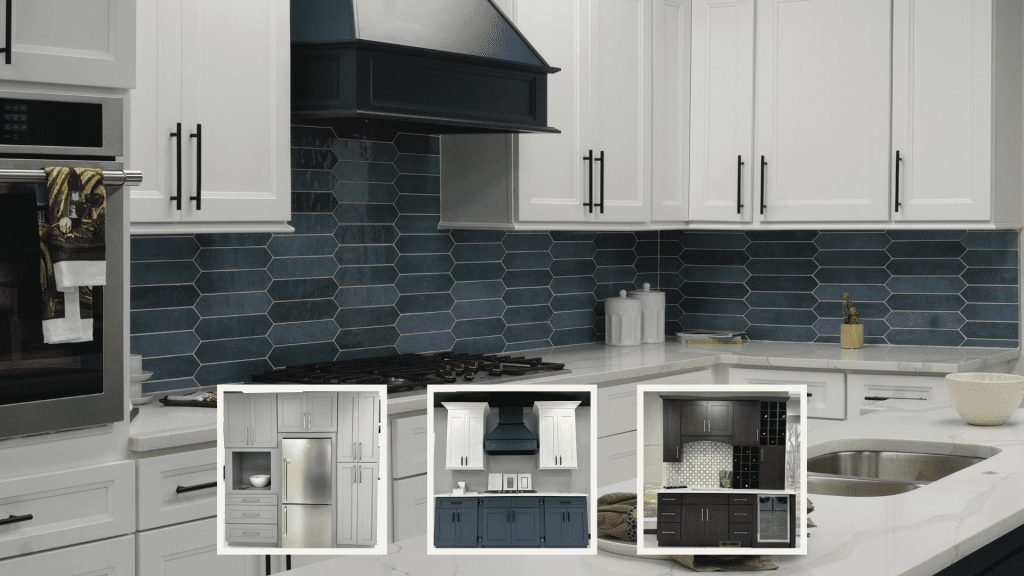
Why Digital Cabinet Measurement Technology Outperforms Manual Methods
In the ever-evolving world of cabinetry, precision is paramount. The accuracy of measurements can significantly impact the success of a kitchen or bathroom renovation project. As digital technology continues to advance, more professionals are turning to digital cabinet measurement technology to improve accuracy over traditional manual methods. In this article, we will explore the benefits of digital measurement tools, how they enhance the cabinet design process, and why they are becoming essential for contractors and builders in the Chicagoland area.
At CCC Cabinets, we understand the importance of precision in cabinetry. Our commitment to providing high-quality cabinetry at wholesale prices is complemented by our dedication to helping contractors achieve the best results for their clients. Digital measurement technology not only streamlines the design process but also ensures that every cabinet fits perfectly, leading to increased customer satisfaction and reduced installation time.
1. Understanding Digital Cabinet Measurement Technology
Digital cabinet measurement technology encompasses a range of tools and software designed to enhance the accuracy and efficiency of measuring spaces for cabinetry. Unlike manual methods that rely on tape measures and rulers, digital measurement tools utilize lasers, 3D scanning, and software applications to capture precise measurements.
Some of the most popular digital measurement technologies include:
- Laser Distance Measurer: A handheld device that uses laser technology to measure distances quickly and accurately.
- 3D Scanners: Devices that create three-dimensional models of spaces, providing detailed measurements and spatial relationships.
- Mobile Apps: Applications that allow users to take measurements using their smartphones or tablets, often integrating with design software.
By incorporating these technologies, contractors can ensure that every cabinet is tailored to fit perfectly within the designated space.
2. Advantages of Digital Measurement Over Manual Methods
The transition from manual to digital measurement methods brings a host of advantages that directly impact the quality of cabinetry installations.
2.1 Enhanced Accuracy
One of the most significant benefits of digital measurement technology is the enhanced accuracy it provides. Traditional manual methods can lead to human error, miscalculations, and inconsistencies. In contrast, digital tools deliver precise measurements with minimal margin for error. Fewer measurement errors mean fewer reorders and less rework on the jobsite.
2.2 Increased Efficiency
Time is money in the construction industry, and digital measurement technology can significantly speed up the measuring process. With tools like laser distance measurers, contractors can take measurements in a fraction of the time it takes with manual methods. This efficiency allows for more time to focus on other critical aspects of the project, such as design and installation.
2.3 Improved Collaboration
Digital measurement tools often come equipped with software that allows for easy sharing of measurements and designs among team members. This collaboration is essential for coordinating efforts between contractors, designers, and clients. By using cloud-based platforms, all parties can access and edit measurements in real-time, ensuring everyone is on the same page.
2.4 Cost Savings
While the initial investment in digital measurement tools may be higher than traditional methods, the long-term cost savings are significant. Fewer errors lead to less material waste and reduced labor costs associated with rework. Over the course of a project, those savings can offset the cost of the tools.
3. How Digital Measurement Technology Works
Understanding how digital measurement technology operates is crucial for contractors looking to implement these tools effectively.
3.1 Laser Distance Measurement
Laser distance measurers work by emitting a laser beam towards a target surface and measuring the time it takes for the beam to return. This technology provides accurate distance measurements, often within a margin of error of just a few millimeters.
3.2 3D Scanning
3D scanners capture the geometry of a space by using lasers to scan the environment. The data collected is then processed to create a detailed 3D model of the area, which can be used for precise cabinet design and placement.
3.3 Mobile Measurement Applications
Mobile apps utilize the camera and sensors of smartphones or tablets to take measurements. These apps can often integrate with design software, allowing users to create cabinet layouts directly from their measurements.
4. Real-World Applications and Case Studies
To illustrate the practical benefits of digital measurement technology, let’s examine a few case studies where these tools have been successfully implemented in cabinetry projects.
4.1 Case Study: Residential Kitchen Renovation
A contractor in the Chicagoland area used a laser distance measurer to complete a kitchen renovation project. By accurately measuring the space, they were able to design custom cabinets that fit seamlessly into the existing layout. The project moved faster than previous renovations that relied on manual measuring methods.
4.2 Case Study: Multi-Family Development
In a multi-family residential project, 3D scanning technology was employed to measure multiple units simultaneously. This method allowed the design team to create a uniform cabinet layout across all units, ensuring consistency and quality. The use of digital measurement technology reduced the overall design phase by two weeks.
5. Common Challenges and Solutions
While digital measurement technology offers numerous advantages, there are challenges that contractors may face when transitioning from manual methods.
5.1 Challenge: Learning Curve
Many contractors may be unfamiliar with digital measurement tools, leading to hesitation in adopting them. To overcome this challenge, training sessions and workshops can be organized to help teams become proficient in using these technologies.
5.2 Challenge: Initial Costs
The upfront costs of purchasing digital measurement tools can be a barrier for some contractors. However, it’s essential to view this as an investment that will yield long-term savings. Some suppliers and lenders offer financing options that can help contractors manage these costs.
6. Expert Tips for Implementing Digital Measurement
To ensure a successful transition to digital measurement technology, consider the following expert tips:
- Invest in Training: Provide comprehensive training for your team to maximize the benefits of digital tools.
- Choose the Right Tools: Select measurement devices that best fit your specific needs and project types.
- Integrate with Design Software: Use applications that can seamlessly integrate with your existing design software for a smoother workflow.
- Regular Maintenance: Ensure that your digital measurement tools are regularly calibrated and maintained for optimal performance.
7. Conclusion
Digital cabinet measurement technology represents a significant advancement in the cabinetry industry. By offering enhanced accuracy, increased efficiency, and improved collaboration, these tools are transforming the way contractors approach their projects. At CCC Cabinets, we are dedicated to supporting contractors with the best cabinetry solutions and helping them adopt technologies that elevate their work.
If you are ready to enhance your cabinetry projects with digital measurement technology, contact us today to learn more about our offerings and how we can assist you in achieving exceptional results.
8. FAQ
Frequently Asked Questions
1. What is digital cabinet measurement technology?
Digital cabinet measurement technology refers to tools and software that enhance the accuracy and efficiency of measuring spaces for cabinetry, such as laser distance measurers and 3D scanners.
2. How does digital measurement improve accuracy?
Digital measurement tools significantly reduce the possibility of human error associated with manual methods, providing precise measurements with minimal margin for error.
3. Are digital measurement tools expensive?
While the initial investment may be higher, the long-term cost savings from reduced errors and increased efficiency often outweigh the upfront costs.
4. Can I use my smartphone for digital measurements?
Yes, many mobile applications allow you to take measurements using your smartphone, often integrating with design software for seamless workflow.
5. How do I choose the right digital measurement tool?
Consider your specific needs, project types, and budget when selecting measurement tools. Research different brands and models to find the best fit.
6. What are the benefits of using 3D scanning?
3D scanning allows for detailed spatial measurements and visualizations, making it easier to design cabinets that fit perfectly within the designated space.
7. How can I train my team on digital measurement tools?
Consider organizing workshops or training sessions led by experts in digital measurement technology to help your team become proficient in using these tools.
8. Is digital measurement technology suitable for all types of projects?
Yes, digital measurement technology can be beneficial for various projects, including residential renovations, commercial builds, and multi-family developments.
More in Cabinetry
Sourcing cabinets for a Chicagoland project?
CCC Cabinets supplies 15 door styles — including Black Roast cabinets — at wholesale prices from our Des Plaines, IL warehouse. Confirm availability for your door style, then choose warehouse pickup near O’Hare or scheduled delivery across Chicagoland.
Door styles to explore: Black Roast · Pure White · Millennium White
Browse all cabinet styles · Open a dealer account · Call (872) 241-5525 · Talk to our team