
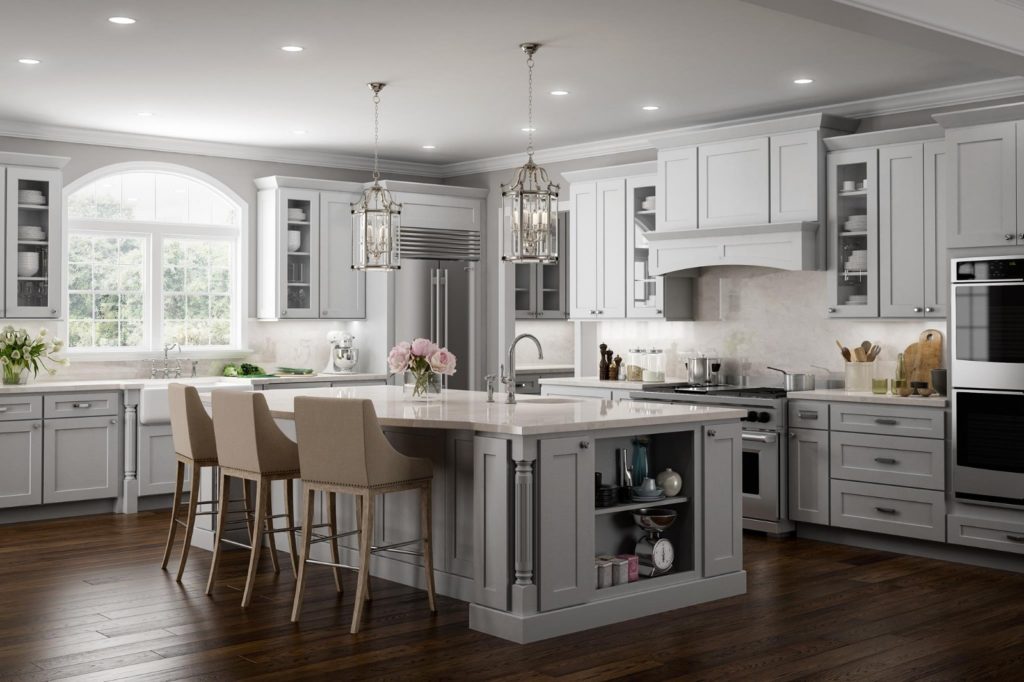
Mastering Cabinet Ordering for Phased Construction Projects
In the dynamic landscape of construction, managing timelines and resources effectively is crucial, especially for contractors working on phased construction projects. One essential aspect of this process is the ordering of kitchen cabinets, which can significantly impact project timelines, budgets, and overall client satisfaction. In this comprehensive guide, we will explore how contractors can streamline cabinet ordering for phased construction projects, ensuring that they meet their clients’ needs while staying on schedule and within budget.
Understanding Phased Construction
Phased construction is a project management strategy where a construction project is divided into distinct phases. Each phase can be completed independently, allowing for flexibility in scheduling and resource allocation. This approach is especially beneficial for large-scale projects such as multi-family housing developments or commercial buildings, where different teams can work simultaneously on various parts of the project.
For contractors, understanding the nuances of phased construction is essential. This method allows for quicker project completion and can lead to faster occupancy for clients. However, it also requires meticulous planning and coordination, particularly when it comes to ordering materials like kitchen cabinets. Delays in cabinet delivery can halt progress on a project, leading to costly overruns and dissatisfied clients.
The Importance of Timely Cabinet Ordering
Timely ordering of kitchen cabinets is paramount in phased construction projects. Delays in cabinet delivery can create a domino effect, impacting other trades and overall project timelines. Here are some key reasons why timely cabinet ordering is crucial:
- Minimizing Downtime: When cabinets are delayed, contractors may face idle labor, which can increase costs and affect scheduling.
- Maintaining Quality Standards: Ordering cabinets in advance allows for better selection and ensures that the quality meets the project’s specifications.
- Streamlining Installations: Having cabinets ready when needed allows for smoother installations, reducing the risk of errors and rework.
- Enhancing Client Satisfaction: Timely delivery and installation contribute to a positive client experience, fostering repeat business and referrals.
Key Considerations for Cabinet Ordering
When ordering cabinets for a phased construction project, contractors should consider several factors to ensure that the process is efficient and meets project requirements:
1. Project Timeline
Establish a clear timeline for each phase of the project. Understand when cabinets will be needed and plan orders accordingly. Use project management software to track timelines and deadlines.
2. Cabinet Specifications
Define the specifications for the cabinets early on. This includes the style, material, color, and finish. For example, solid wood kitchen cabinets are a popular choice due to their durability and aesthetic appeal. Familiarize yourself with the options available through suppliers like CCC Cabinets, which offers a variety of in-stock cabinet styles.
3. Supplier Relationships
Build strong relationships with cabinet suppliers. A reliable supplier can provide insights on lead times, stock availability, and any potential delays. This can be invaluable for managing expectations and ensuring timely deliveries.
4. Budget Constraints
Establish a budget for cabinetry early in the project. Understand the cost implications of different materials and styles. Wholesale kitchen cabinets can offer significant savings, especially for larger projects.
5. Storage and Logistics
Plan for storage of cabinets once they arrive. Ensure that there is adequate space on-site to store them without risking damage. Consider logistics for delivery, especially for larger orders, to avoid congestion on-site.
Steps to Optimize Cabinet Ordering
To ensure a smooth cabinet ordering process, contractors can follow these steps:
Step 1: Early Planning
Begin planning for cabinet ordering during the initial stages of the project. This includes determining the style and finish of the cabinets and discussing options with clients. Early planning helps to avoid last-minute rushes, which can lead to mistakes and oversights.
Step 2: Accurate Measurements
Ensure accurate measurements of kitchen spaces before ordering cabinets. This minimizes the risk of ordering incorrect sizes, which can lead to costly returns and delays.
Step 3: Create a Detailed Order List
Create a comprehensive order list that includes all the necessary components, such as cabinet boxes, doors, and hardware. This detailed list helps in tracking orders and ensures that nothing is overlooked.
Step 4: Utilize Technology
Leverage technology to streamline the ordering process. Use software solutions that can integrate with your project management tools to track orders and deliveries in real-time.
Step 5: Regular Communication
Maintain open lines of communication with suppliers throughout the ordering process. Regular check-ins can help identify any potential delays or issues early, allowing for proactive solutions.
Collaborating with Suppliers
Having a solid partnership with cabinet suppliers is essential for the success of any project. Here are some best practices for collaboration:
1. Establish Clear Expectations
Clearly communicate your needs and expectations to suppliers. This includes lead times, quality standards, and delivery schedules.
2. Build Trust
Foster a relationship based on trust and transparency. This can lead to better service and potential discounts or favorable terms in the future.
3. Provide Feedback
After each project, provide feedback to suppliers regarding their performance. This helps them improve their services and reinforces your relationship.
Expert Tips for Successful Cabinet Ordering
Here are additional expert tips to keep in mind:
- Understand Trends: Stay informed on current kitchen design trends, such as the rise of two-tone cabinets, which can enhance the aesthetic appeal of kitchen spaces.
- Consider Sustainability: Look for suppliers that offer sustainable options, such as cabinets made from recycled materials.
- Plan for Future Needs: If the project involves multiple phases, consider the potential future needs of clients and order accordingly.
Case Study: Successful Cabinet Ordering in Phased Projects
To illustrate the importance of effective cabinet ordering in phased construction, let’s consider a case study involving a multi-family housing project in Chicago. The contractor, working with CCC Cabinets, faced the challenge of coordinating cabinet deliveries across multiple phases of construction.
By implementing a structured cabinet ordering process, the contractor was able to:
- Reduce lead times by 20% through early planning and accurate measurements.
- Maintain a budget by utilizing wholesale cabinet options, allowing for savings that could be reinvested into other project areas.
- Enhance client satisfaction with timely installations, leading to positive reviews and referrals.
This success story highlights the critical role that strategic cabinet ordering plays in the overall success of construction projects.
Frequently Asked Questions
1. What is phased construction?
Phased construction is a project management strategy where a construction project is divided into distinct phases, allowing for flexibility and independent completion.
2. Why is timely cabinet ordering important?
Timely ordering helps minimize downtime, maintain quality standards, streamline installations, and enhance client satisfaction.
3. What factors should I consider when ordering cabinets?
Consider project timelines, cabinet specifications, supplier relationships, budget constraints, and storage logistics.
4. How can I optimize my cabinet ordering process?
Optimize by planning early, ensuring accurate measurements, creating a detailed order list, utilizing technology, and maintaining regular communication with suppliers.
5. What are some expert tips for cabinet ordering?
Order extra cabinets for potential damages, stay informed on design trends, consider sustainability, and plan for future needs.
6. How can I collaborate effectively with cabinet suppliers?
Establish clear expectations, build trust, and provide feedback to foster strong supplier relationships.
7. What should I do if my cabinet delivery is delayed?
Communicate with your supplier to understand the cause of the delay and explore alternative solutions, such as expedited shipping or temporary alternatives.
8. How do I choose the right cabinet style for my project?
Consider your client’s preferences, the overall design theme of the project, and current design trends when selecting cabinet styles.
Sourcing cabinets for a Chicagoland project?
CCC Cabinets supplies 15 door styles — including Millennium Off White cabinets — at wholesale prices from our Des Plaines, IL warehouse. Confirm availability for your door style, then choose warehouse pickup near O’Hare or scheduled delivery across Chicagoland.
Door styles to explore: Millennium Off White · Millennium Cappuccino · Espresso Shaker
Browse all cabinet styles · Open a dealer account · Call (872) 241-5525 · Talk to our team