
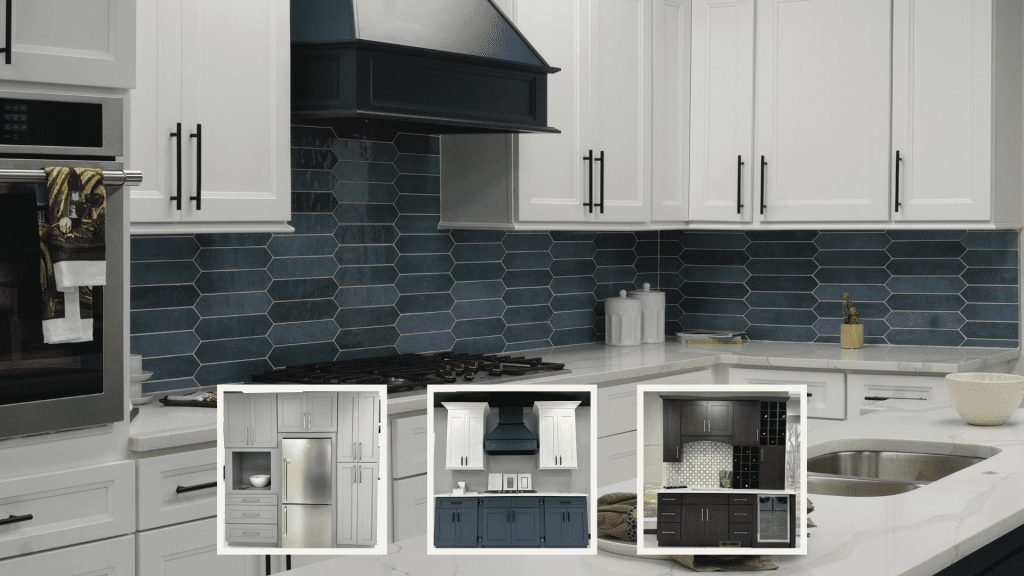
Why Understanding Cabinet Nomenclature Helps Contractors Place Accurate Orders
When it comes to the world of cabinetry, particularly in the bustling markets of Chicago and the broader Midwest, having a clear understanding of cabinet nomenclature is essential for contractors and builders. Accurate orders not only streamline the construction process but also minimize costly errors and delays. In this comprehensive guide, we will explore the significance of cabinet nomenclature, its impact on order accuracy, and how contractors can leverage this knowledge to enhance their workflow. By the end of this article, you will have valuable insights that will empower you in your cabinetry projects, ensuring that you utilize the best kitchen cabinets available.
What is Cabinet Nomenclature?
Cabinet nomenclature refers to the standardized terms and classifications used to describe various components and characteristics of cabinets. This includes everything from the materials used to construct the cabinets to the specific styles, finishes, and dimensions. Understanding this nomenclature is crucial for contractors to ensure they are ordering the right products to meet their project specifications.
For instance, terms like “shaker cabinets” or “pre-assembled cabinets” are not just industry jargon; they represent distinct product types that can significantly influence both the aesthetics and functionality of a kitchen or bathroom space. By familiarizing themselves with cabinet nomenclature, contractors can make informed decisions that align with their clients’ needs and preferences.
The Importance of Understanding Cabinet Nomenclature
Understanding cabinet nomenclature is vital for several reasons:
- Accurate Orders: Misinterpretations of cabinet specifications can lead to incorrect orders, resulting in delays and additional costs. Knowing the correct nomenclature helps contractors avoid these pitfalls.
- Enhanced Communication: Clear communication with suppliers and clients is essential. Using the correct terms fosters a professional image and improves collaboration.
- Better Project Outcomes: When contractors understand the specific attributes of the cabinets they are ordering, they can better match products to their project requirements. This leads to enhanced client satisfaction and higher-quality results.
For contractors working in the Chicago area, where competition is fierce, understanding cabinet nomenclature can set you apart from others in the industry. It showcases your expertise and builds trust with clients and suppliers alike.
Commonly Used Terms in Cabinet Nomenclature
Familiarity with the following terms will help contractors navigate the cabinet ordering process more effectively:
| Term | Description |
|---|---|
| Shaker Cabinets | A style characterized by a simple, clean design, often with a recessed panel. |
| Pre-Assembled Cabinets | Cabinets that come fully assembled, offering quicker installation times. |
| Face Frame | The front part of the cabinet that provides structural support and aesthetic appeal. |
| Overlay | The way the cabinet doors and drawers cover the cabinet frame; can be full or partial. |
| Soft Close | A mechanism that allows cabinet doors and drawers to close quietly and slowly. |
By understanding these terms, contractors can ensure that they are ordering the right products for their projects. For instance, if a contractor needs espresso shaker cabinets for a modern kitchen, knowing the difference between full overlay and partial overlay can make a significant impact on the final look and functionality.
How Cabinet Nomenclature Affects Order Accuracy
Order accuracy is paramount in any construction project, and cabinet nomenclature plays a key role. Here’s how:
- Specification Clarity: When contractors use precise nomenclature, it minimizes the chances of errors during the ordering process. For example, specifying “solid wood kitchen cabinets” instead of just “wood cabinets” ensures that the supplier understands the quality and construction type needed.
- Inventory Management: Suppliers often categorize their inventory based on nomenclature. Understanding these categories helps contractors quickly find the right products and reduces the time spent on research.
- Cost Management: Accurate orders lead to fewer returns and exchanges, which can incur additional costs. Knowing the right terms helps contractors avoid ordering the wrong items, ultimately saving money.
To illustrate this point, consider a scenario where a contractor orders cabinets for a multi-family project in Chicago. If they incorrectly specify the cabinet style or material, it could lead to significant delays and increased costs. By using proper nomenclature, they can ensure that their orders align perfectly with their project specifications.
Best Practices for Using Cabinet Nomenclature
Here are some best practices for contractors to effectively use cabinet nomenclature:
- Familiarize Yourself with Industry Standards: Regularly update your knowledge of cabinet nomenclature by referring to resources provided by industry organizations such as the National Association of Home Builders (NAHB).
- Engage with Suppliers: Build relationships with your cabinet suppliers. They can provide valuable insights into product specifications and help clarify any nomenclature you may not fully understand.
- Utilize Technology: Use software or apps that incorporate cabinet nomenclature to streamline the ordering process. This can reduce errors and improve efficiency.
- Document Everything: Keep thorough records of orders, including product specifications and nomenclature. This will help you track your projects and ensure accountability.
- Educate Your Team: Share your knowledge of cabinet nomenclature with your team members. This will enhance overall project accuracy and efficiency.
By following these best practices, contractors will improve their ordering process and contribute to successful project outcomes.
Frequently Asked Questions
1. What is cabinet nomenclature?
Cabinet nomenclature refers to the standardized terms and classifications used to describe various components and characteristics of cabinets.
2. Why is understanding cabinet nomenclature important for contractors?
Understanding cabinet nomenclature ensures accurate orders, enhances communication, and leads to better project outcomes.
3. What are some commonly used terms in cabinet nomenclature?
Common terms include shaker cabinets, pre-assembled cabinets, face frame, overlay, and soft close.
4. How does cabinet nomenclature affect order accuracy?
Proper nomenclature minimizes errors, aids inventory management, and helps control costs associated with incorrect orders.
5. What are the best practices for using cabinet nomenclature?
Best practices include familiarizing yourself with industry standards, engaging with suppliers, utilizing technology, documenting orders, and educating your team.
6. Can cabinet nomenclature vary by region?
Yes, while there are industry standards, local preferences and terminology may vary, making it important to understand regional nuances.
7. How can I improve my knowledge of cabinet nomenclature?
Engage with industry resources, attend workshops, and communicate with suppliers to enhance your understanding.
8. What role do suppliers play in the cabinet ordering process?
Suppliers provide critical information about product specifications, help clarify nomenclature, and ensure that contractors receive the correct items.
9. How can technology assist in understanding cabinet nomenclature?
Technology can streamline the ordering process, reduce errors, and provide access to up-to-date nomenclature resources.
10. Are there certifications available for understanding cabinet nomenclature?
Yes, some organizations offer certifications and training programs that cover cabinet nomenclature and related topics.
11. How does cabinet nomenclature impact design decisions?
Understanding cabinet nomenclature allows contractors to make informed design choices that align with client needs and project specifications.
12. What should I do if I encounter unfamiliar terms in cabinet nomenclature?
Consult with suppliers, reference industry resources, or seek advice from experienced colleagues to clarify any unfamiliar terms.
Conclusion
In conclusion, understanding cabinet nomenclature is a critical skill for contractors looking to enhance their project accuracy and efficiency. By familiarizing themselves with industry terms and best practices, contractors can avoid costly mistakes and improve their communication with suppliers and clients. As a leading cabinet supplier in Des Plaines, CCC Cabinets is committed to providing the resources and support necessary for contractors to excel in their projects. For more information about our wide range of in-stock cabinetry and how we can assist you, feel free to contact us today!
More in Cabinetry
Sourcing cabinets for a Chicagoland project?
CCC Cabinets supplies 15 door styles — including Espresso Shaker cabinets — at wholesale prices from our Des Plaines, IL warehouse. Confirm availability for your door style, then choose warehouse pickup near O’Hare or scheduled delivery across Chicagoland.
Door styles to explore: Espresso Shaker · Light Grey · Matcha Latte
Browse all cabinet styles · Open a dealer account · Call (872) 241-5525 · Talk to our team