Expert Guide: How Contractors Can Create Kitchen Cabinet Selection Guides
When it comes to kitchen renovations, one of the most critical aspects is the selection of cabinets. For contractors, creating a comprehensive kitchen cabinet selection guide can not only enhance client satisfaction but also streamline the decision-making process. In this expert guide, we will explore how contractors can effectively create kitchen cabinet selection guides for their clients, ensuring they have the necessary information to make informed choices. This guide aims to empower contractors with the knowledge needed to assist homeowners in selecting the perfect kitchen cabinets that align with their style, functionality, and budget.
Understanding Kitchen Cabinet Options
To create an effective kitchen cabinet selection guide, contractors must first understand the various cabinet options available. The market offers a plethora of choices, including different materials, styles, and finishes. Here are some key aspects to consider:
1. Cabinet Materials
Kitchen cabinets can be made from a variety of materials, each with its own advantages and disadvantages:
- Solid Wood: Known for its durability and aesthetic appeal, solid wood cabinets are a popular choice among homeowners. They can be stained or painted to match any décor.
- Plywood: Plywood offers excellent strength and resistance to warping, making it a reliable option for kitchen cabinets.
- Particleboard: While more affordable, particleboard is less durable compared to solid wood or plywood. It’s often used in lower-budget projects.
- Medium Density Fiberboard (MDF): MDF provides a smooth surface for painting and is resistant to warping, making it a common choice for modern kitchens.
2. Cabinet Styles
Cabinet styles largely determine the overall look of the kitchen. Here are some popular styles:
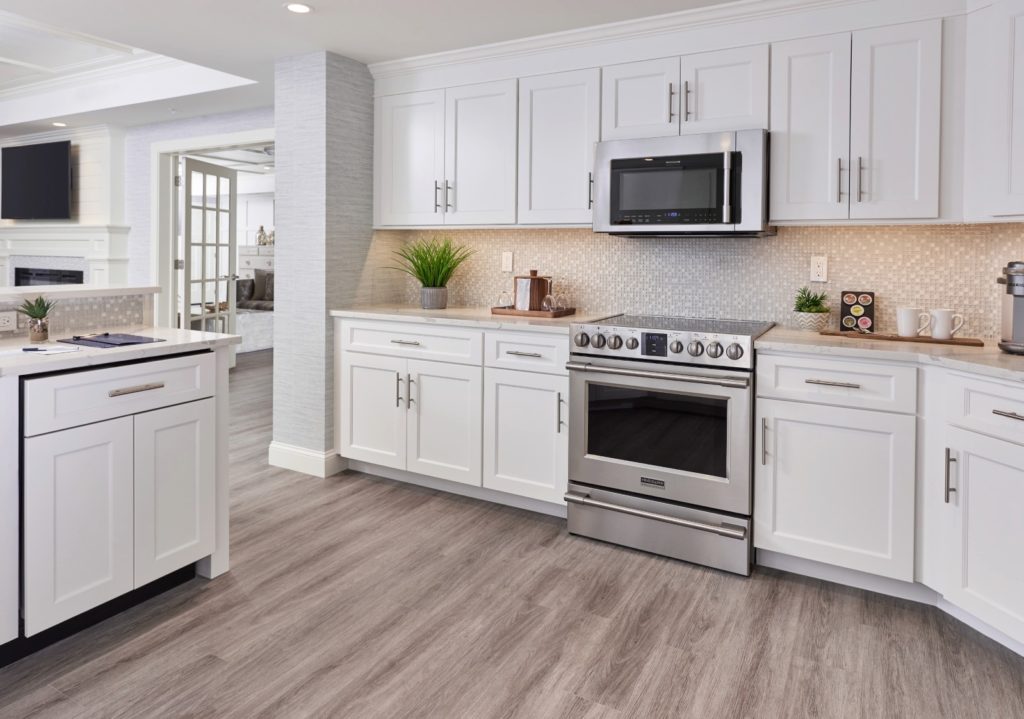
- Shaker Cabinets: These cabinets feature a simple, clean design and are highly versatile, fitting well in both traditional and modern kitchens. Explore our Shaker cabinet options.
- Modern Cabinets: Characterized by sleek lines and minimalistic designs, modern cabinets often feature high-gloss finishes and unique hardware.
- Traditional Cabinets: These cabinets are ornate and detailed, often featuring decorative moldings and rich finishes.
- Rustic Cabinets: Made from reclaimed wood or distressed finishes, rustic cabinets offer a warm, inviting look.
3. Cabinet Finishes
Finishes can dramatically change the appearance of cabinets. Popular finishes include:
- Painted Finishes: Available in a wide range of colors, painted finishes allow for customization.
- Stained Finishes: Stains enhance the natural beauty of wood, highlighting grain patterns.
- Glazed Finishes: Glazing adds depth and character, often used in traditional cabinet styles.
The Importance of Quality
Quality is a significant factor when selecting kitchen cabinets. High-quality cabinets not only enhance the kitchen’s aesthetic but also improve functionality and longevity. Here’s why quality matters:
1. Durability
High-quality cabinets are built to last, with sturdy construction that withstands daily wear and tear. For contractors, recommending solid wood or plywood cabinets can lead to satisfied clients who appreciate the investment in durable materials.
2. Aesthetic Appeal
Quality cabinets enhance the overall look of the kitchen. Homeowners are more likely to invest in cabinets that are visually appealing and match their personal style.
3. Increased Home Value
Upgrading to high-quality kitchen cabinets can significantly increase a home’s resale value. According to the National Association of Home Builders, kitchen remodels often yield a high return on investment.
Creating a Selection Guide
Now that we understand the options and importance of quality, let’s delve into how contractors can create a comprehensive kitchen cabinet selection guide for their clients.
1. Gather Essential Information
Start by collecting essential information about the client’s preferences and needs:
- Style Preferences: Discuss the client’s desired kitchen style (e.g., modern, traditional, rustic).
- Functional Needs: Understand how the client uses their kitchen and what storage solutions they require.
- Budget: Establish a budget range to guide the selection process.
2. Create a Visual Guide
Visual aids are crucial for helping clients visualize their options. Consider including:
- Images of Cabinet Styles: Include high-quality images of various cabinet styles and finishes.
- Material Samples: Provide physical samples of materials and finishes for clients to touch and feel.
- Design Mockups: Use design software to create mockups that show how different cabinet styles will look in the client’s space.
3. Develop a Comparison Table
A comparison table can help clients weigh their options effectively. Below is an example of a comparison table that includes key features of popular cabinet materials:
| Material | Durability | Cost | Appearance |
|---|---|---|---|
| Solid Wood | High | High | Natural beauty, customizable |
| Plywood | Medium-High | Medium | Strong, versatile |
| Particleboard | Low-Medium | Low | Limited aesthetics |
| MDF | Medium | Medium | Smooth finish, paintable |
4. Include Maintenance Information
Clients appreciate understanding how to maintain their cabinets. Include tips on cleaning and care:
- Use a damp cloth for cleaning.
- Avoid harsh chemicals that can damage finishes.
- Regularly check for loose hardware and tighten as needed.
5. Provide Installation Guidelines
Outline the installation process and any necessary preparations:
- Measure the kitchen space accurately.
- Ensure proper wall support for heavy cabinets.
- Plan for plumbing and electrical considerations.
Tips for Effective Presentation
Once the selection guide is created, presenting it to clients effectively is crucial. Here are some tips:
1. Tailor the Presentation
Customize the presentation based on the client’s preferences and needs. Highlight options that align with their style and budget.
2. Use Visuals
Incorporate visuals throughout the presentation. Use slideshows, brochures, or digital presentations to engage clients visually.
3. Encourage Questions
Invite clients to ask questions throughout the presentation. This interaction fosters a collaborative environment and ensures they feel informed.
4. Provide Printed Copies
Give clients printed copies of the selection guide for their reference. This allows them to review options at their leisure.
5. Follow Up
After the presentation, follow up with clients to address any further questions or concerns. This demonstrates commitment to their project.
Frequently Asked Questions
1. What are the best materials for kitchen cabinets?
Solid wood and plywood are often considered the best materials due to their durability and aesthetic appeal.
2. How much do kitchen cabinets typically cost?
Kitchen cabinet costs can vary widely, ranging from $100 to $1,200 per linear foot, depending on materials and finishes.
3. How can I choose the right cabinet style?
Consider your kitchen’s overall design, your personal style, and functional needs when selecting cabinet styles.
4. What is the average lifespan of kitchen cabinets?
High-quality kitchen cabinets can last 20 years or more with proper care.
5. Can I mix different cabinet styles?
Yes, mixing styles can create a unique look, but ensure they complement each other for a cohesive design.
6. How do I maintain my kitchen cabinets?
Regular cleaning with a damp cloth and avoiding harsh chemicals can help maintain your cabinets’ appearance.
7. Are custom cabinets worth the investment?
Custom cabinets offer tailored solutions that fit your space and style, making them a worthwhile investment for many homeowners.
8. What is the best finish for kitchen cabinets?
The best finish depends on personal preference. Painted finishes offer color versatility, while stained finishes highlight natural wood grain.
9. How long does it take to install kitchen cabinets?
The installation process can take a few days to a week, depending on the kitchen size and complexity.
10. Should I hire a professional for cabinet installation?
Hiring a professional ensures proper installation, especially for complex layouts or heavy cabinets.
11. How can I increase storage in my kitchen cabinets?
Consider pull-out shelves, lazy susans, and vertical dividers to maximize storage space in kitchen cabinets.
12. What trends are popular for kitchen cabinets in 2025?
Popular trends include two-tone cabinets, bold colors, and sustainable materials.
Conclusion
Creating a kitchen cabinet selection guide is an invaluable tool for contractors looking to enhance client satisfaction and streamline the cabinet selection process. By understanding the options available, emphasizing quality, and presenting information effectively, contractors can empower their clients to make informed decisions. At CCC Cabinets, we are committed to providing high-quality kitchen cabinets that meet the diverse needs of homeowners and contractors alike. For more information on our cabinet options and to explore our in-stock cabinet collections, contact us today!
More in Kitchen Cabinets
Sourcing cabinets for a Chicagoland project?
CCC Cabinets stocks 15 in-stock door styles — including Matcha Latte cabinets — at wholesale prices in our Des Plaines, IL warehouse. Same-day pickup near O’Hare and scheduled delivery across Chicagoland.
In stock now: Matcha Latte · Black Roast · Pure White
Browse all cabinet styles · Open a dealer account · Call (872) 241-5525 · Talk to our team