How Kitchen Cabinet Islands Serve as the Command Center of Modern Kitchens
In the realm of contemporary kitchen design, the kitchen cabinet island stands out not only as a visual centerpiece but also as the operational hub of modern culinary spaces. As homeowners and contractors alike seek to optimize functionality and aesthetics, understanding the multifaceted role of kitchen islands becomes crucial. This article explores how kitchen cabinet islands serve as the command center of modern kitchens, enhancing workflows, social interactions, and overall efficiency.
1. The Evolution of Kitchen Islands
The concept of the kitchen island dates back to the early 20th century, evolving from a simple countertop to a complex multifunctional space. Originally, these islands served primarily as additional workspace, but as cooking and entertaining styles changed, so did their purpose. Today, kitchen islands are designed to accommodate a range of activities, from meal preparation to casual dining.
According to the National Association of Home Builders, more than 70% of new homes built in the U.S. feature kitchen islands. This statistic highlights not only their popularity but also their essential role in modern kitchen layouts. As households strive for more open and inviting spaces, kitchen islands have become integral to achieving that goal.
2. Key Functions of Kitchen Cabinet Islands
Kitchen cabinet islands fulfill a variety of functions that enhance the overall kitchen experience:
- Preparation Space: The expansive surface area of kitchen islands provides ample room for meal prep, allowing multiple cooks to work simultaneously.
- Cooking and Baking: Many islands are equipped with cooktops, making them ideal for cooking while engaging with family and guests.
- Storage Solutions: Islands often feature cabinets and drawers that provide additional storage for pots, pans, and kitchen gadgets, helping to keep countertops clutter-free.
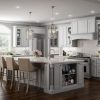
- Seating Area: Adding barstools or chairs transforms the island into a casual dining area, promoting social interaction during mealtime.
- Utility Hub: Islands can house electrical outlets for small appliances, charging stations, and even built-in sinks for improved functionality.
These features collectively position kitchen islands as the command center of modern kitchens, streamlining tasks and enhancing the culinary experience.
3. Design Considerations for Your Kitchen Island
When designing a kitchen island, several key factors should be considered to ensure it meets your needs:
- Size and Proportions: The island should be proportionate to the kitchen space. A general guideline is that the island should be at least 4 feet long and 2 feet deep to provide adequate workspace.
- Style and Aesthetics: Choose cabinet styles and finishes that complement your overall kitchen design. For instance, modern kitchens may benefit from sleek, minimalist cabinetry, while traditional spaces may call for ornate detailing.
- Functionality: Consider what functions the island will serve. Will it be primarily for cooking, dining, or a combination of both? This will influence the choice of materials and layout.
- Traffic Flow: Ensure there is sufficient space around the island for movement. A minimum of 36 inches of clearance on all sides is recommended to prevent congestion.
For contractors and builders, understanding these design considerations is critical when working with clients to create the ideal kitchen layout. For more insights on kitchen cabinet styles, check out our article on modern vs. traditional kitchen cabinets.
4. Kitchen Islands and Workflow Optimization
One of the primary advantages of incorporating a kitchen island is its ability to optimize workflow. The kitchen work triangle—a design principle that emphasizes the efficiency of the refrigerator, stove, and sink—can be enhanced with the addition of an island.
Here’s how kitchen islands contribute to workflow optimization:
- Centralized Workstation: By positioning the island in the center of the kitchen, all necessary elements for cooking and preparation are within easy reach.
- Multi-Tasking Opportunities: With designated areas for cooking, prep, and seating, family members can engage in various activities simultaneously, reducing bottlenecks.
- Enhanced Organization: Built-in storage solutions allow for better organization of kitchen tools and ingredients, streamlining the cooking process.
Consider using a comparison table to illustrate the efficiency of kitchen workflows with and without an island:
| Feature | With Kitchen Island | Without Kitchen Island |
|---|---|---|
| Prep Space | Ample, dedicated area | Limited, scattered space |
| Cooking Area | Integrated cooktop | Separate, distant location |
| Seating | Casual dining option | No seating available |
| Storage | Additional cabinets and drawers | Minimal storage |
| Social Interaction | High, encourages gatherings | Low, less inviting |
This table demonstrates how kitchen islands can significantly improve the efficiency and functionality of kitchen spaces. For more on maximizing kitchen storage, explore our guide on smart kitchen storage solutions.
5. Enhancing Social Interaction with Kitchen Islands
In today’s open-concept homes, the kitchen has evolved into a social hub. Kitchen islands play a pivotal role in fostering social interaction among family members and guests. They serve as a gathering spot where people can engage while preparing meals or enjoying a casual dining experience.
Here are several ways kitchen islands enhance social interaction:
- Casual Dining: The addition of barstools or counter seating allows family and friends to join in the cooking process or enjoy meals together without feeling isolated.
- Open Layout: Islands promote an open kitchen design, creating a seamless flow between the kitchen and living areas, making it easier for conversations to occur.
- Entertaining Space: Kitchen islands can be designed to accommodate serving platters, drinks, and snacks, making them ideal for entertaining guests during gatherings.
By integrating a kitchen island into your design, you create an inviting atmosphere that encourages connection and collaboration. For tips on entertaining in the kitchen, read our article on the importance of cabinets in renovation.
6. Choosing the Right Cabinets for Your Island
The cabinets you choose for your kitchen island are crucial in defining its functionality and style. Here are some factors to consider:
- Material: Solid wood cabinets are highly durable and provide a classic look, while laminate options can offer modern aesthetics at a lower cost.
- Finish: Select a finish that complements the rest of your kitchen. For example, a glossy finish may be suitable for modern designs, while a matte finish may work better in traditional spaces.
- Color: Consider using contrasting colors for the island to make it a focal point. For instance, a dark island can stand out against lighter cabinetry.
To explore our range of kitchen cabinet options, visit our cabinet collections page. With 15 in-stock door styles, you’re sure to find the perfect match for your kitchen island.
7. Maintenance and Care for Kitchen Islands
Maintaining a kitchen island is essential for its longevity and functionality. Here are some tips for proper care:
- Regular Cleaning: Use mild soap and water to clean surfaces regularly. Avoid harsh chemicals that can damage the finish.
- Inspect for Damage: Regularly check for scratches or dents, especially on wood surfaces, and address them promptly to prevent further damage.
- Protective Measures: Use cutting boards and coasters to protect the surface from scratches and heat damage.
With proper maintenance, your kitchen island will remain a functional centerpiece for years to come.
8. Conclusion
Kitchen cabinet islands have transformed the way we perceive and utilize kitchen spaces. They serve as the command center of modern kitchens, enhancing workflows, promoting social interaction, and providing essential storage solutions. By understanding the various functions and design considerations for kitchen islands, homeowners and contractors can create spaces that are both beautiful and functional.
If you’re considering a kitchen remodel or looking to add an island to your space, CCC Cabinets is here to help. With our wide array of high-quality, wholesale kitchen cabinets, we can provide the perfect solutions to meet your needs. Contact us today at [email protected] or call us at +1 872-241-5525 to schedule a consultation or visit our showroom.
9. FAQs
What is the purpose of a kitchen island?
A kitchen island serves multiple purposes, including providing additional workspace, storage, seating, and a central hub for cooking and socializing.
How much space do I need for a kitchen island?
Ideally, you should allow at least 36 inches of clearance on all sides of the island to ensure easy movement and accessibility.
Can I have a sink in my kitchen island?
Yes, many kitchen islands are designed to accommodate sinks, which can enhance functionality by providing a separate area for food prep and cleanup.
What materials are best for kitchen islands?
Solid wood, granite, quartz, and laminate are popular materials for kitchen islands, each offering different aesthetics and durability.
How do I choose the right size for my kitchen island?
The size of your kitchen island should be proportionate to your kitchen space, typically at least 4 feet long and 2 feet deep for adequate workspace.
Are kitchen islands good for small kitchens?
Yes, kitchen islands can be designed to fit small spaces effectively, providing extra storage and workspace without overwhelming the area.
What are some common kitchen island designs?
Common designs include traditional, modern, farmhouse, and multi-level islands, each catering to different aesthetic preferences and functional needs.
How can I incorporate seating into my kitchen island?
Barstools or counter-height chairs can be added to the island’s overhang, creating a casual dining or gathering space.
More in Trends & Design
Sourcing cabinets for a Chicagoland project?
CCC Cabinets stocks 15 in-stock door styles — including Mini White Shaker cabinets — at wholesale prices in our Des Plaines, IL warehouse. Same-day pickup near O’Hare and scheduled delivery across Chicagoland.
In stock now: Mini White Shaker · Pure White · Millennium White
Browse all cabinet styles · Open a dealer account · Call (872) 241-5525 · Talk to our team