
How to Create a Cabinet Budget That Protects Your Margin in Chicago
When it comes to kitchen renovations or new construction projects, creating a well-structured cabinet budget is crucial for contractors and builders in Chicago. A detailed budget not only helps in managing costs effectively but also ensures that you protect your profit margins. This article will guide you through the steps necessary to create a cabinet budget that safeguards your financial interests while still delivering high-quality work to your clients.
1. Understand Your Client’s Needs and Preferences
The first step in creating a cabinet budget is to have a thorough understanding of your client’s needs and preferences. Schedule a meeting with the client to discuss their vision for the project, including style, color, and functionality. This will help you identify the type of cabinets they want, which will influence the overall budget.
2. Research Cabinet Options
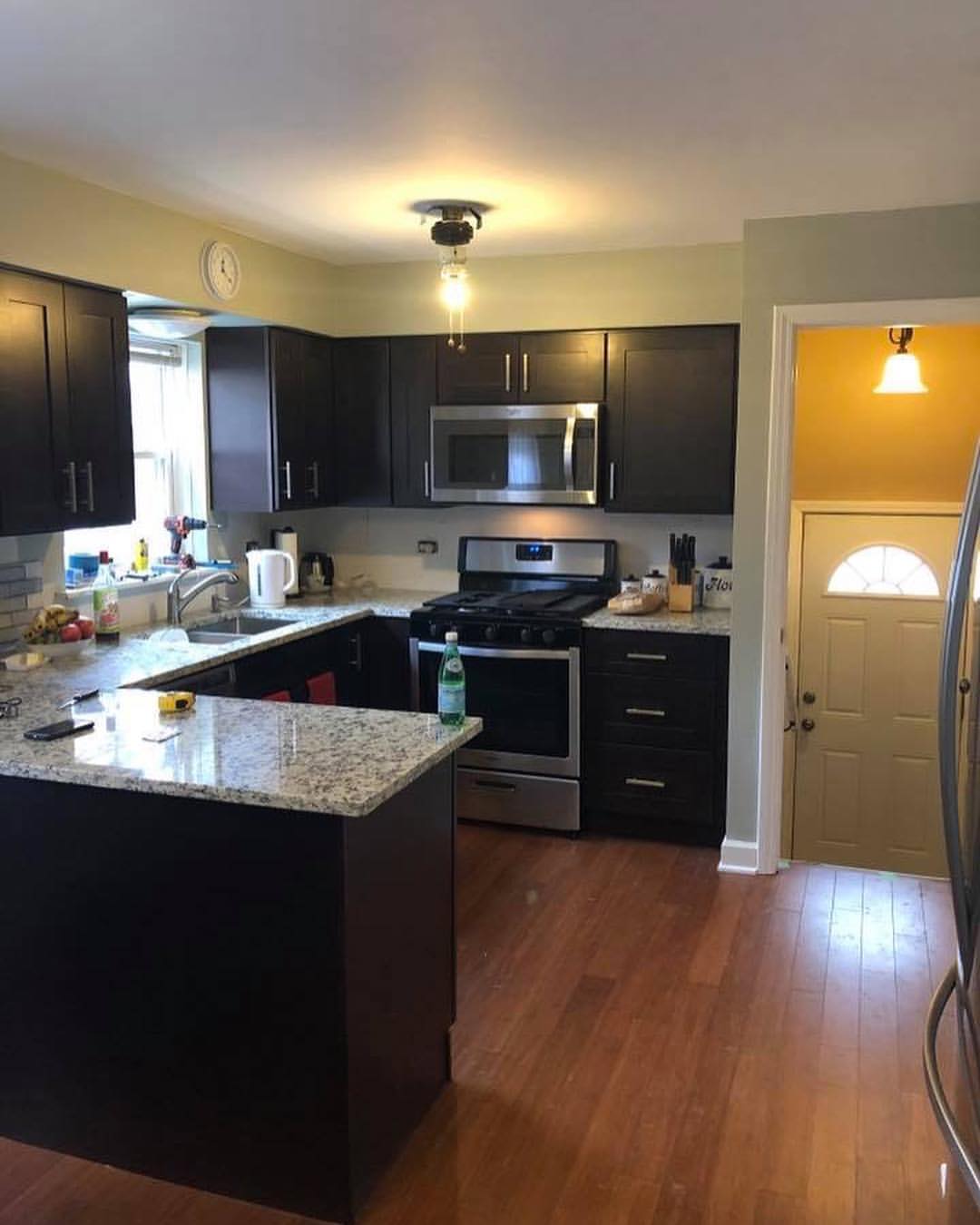
Once you have a clear idea of your client’s preferences, research various cabinet options available in the market. Consider factors such as material (solid wood vs. MDF), door styles, and finishes. By comparing different suppliers, you can find the best quality cabinets at competitive prices. For instance, CCC Cabinets offers a variety of in-stock solid wood kitchen cabinets in multiple door styles, which can be beneficial for your project timeline.
3. Calculate Material Costs
After identifying the desired cabinets, calculate the material costs based on the specifications provided by the client. Include the costs of cabinet doors, frames, hardware, and any additional components needed for installation. It’s essential to account for possible fluctuations in prices and to include a buffer in your budget to handle unexpected expenses.
4. Include Labor Costs
Labor costs are another significant factor that can affect your cabinet budget. Determine how much time you and your team will need to install the cabinets and factor in labor rates. If you’re working with subcontractors, ensure you get accurate quotes to avoid underestimating labor costs. Remember, quality installation is crucial for customer satisfaction and can prevent future warranty claims.
5. Factor in Overhead and Profit Margins
Next, include your overhead costs into the budget, which may consist of utilities, insurance, and other operational expenses. After calculating your total costs (material + labor + overhead), determine your desired profit margin. In the competitive Chicago market, it’s vital to ensure your pricing reflects the quality and service you provide while remaining competitive.
6. Create a Detailed Budget Spreadsheet
Organizing your cabinet budget in a detailed spreadsheet can help you keep track of costs and make adjustments as needed. Include categories for materials, labor, overhead, and profit margins. This structured approach allows for easy updates and transparency with your clients.
7. Communicate with Your Clients
Once your budget is finalized, present it to your client in a clear and concise manner. Explain each component of the budget, highlighting the value of quality cabinets and professional installation. Open communication fosters trust and helps manage client expectations, reducing the likelihood of disputes over costs later on.
8. Monitor and Adjust Throughout the Project
As the project progresses, keep a close eye on your budget. Regularly update your budget spreadsheet to reflect any changes in material prices or labor costs. If you anticipate going over budget, communicate this to your client immediately and discuss possible solutions. Transparency during the project can enhance your reputation and keep client satisfaction high.
9. Utilize Technology Tools
Consider using budgeting software or project management tools to streamline the budgeting process. These tools can help you track expenses in real-time and generate reports that can make it easier to manage your finances. Many software options also allow you to collaborate with your team and clients, ensuring everyone stays informed.
10. Learn from Each Project
After completing a project, take the time to review your budgeting process. Analyze what went well and where you could improve. Learning from each project can help refine your budgeting skills and improve your profit margins in future cabinet projects.
Conclusion
Creating a budget that protects your margin while ensuring client satisfaction is vital for contractors working in Chicago’s competitive cabinet market. By following these steps, you can develop a comprehensive cabinet budget that accounts for all necessary factors, leading to successful project completion and satisfied clients. For more resources on quality cabinets, visit CCC Cabinets or call +1 872-241-5525 to speak with our cabinet specialists.
More in Cost & Budgeting
Sourcing cabinets for a Chicagoland project?
CCC Cabinets supplies 15 door styles — including Pure White cabinets — at wholesale prices from our Des Plaines, IL warehouse. Confirm availability for your door style, then choose warehouse pickup near O’Hare or scheduled delivery across Chicagoland.
Door styles to explore: Pure White · Millennium White · Millennium Grey
Browse all cabinet styles · Open a dealer account · Call (872) 241-5525 · Talk to our team