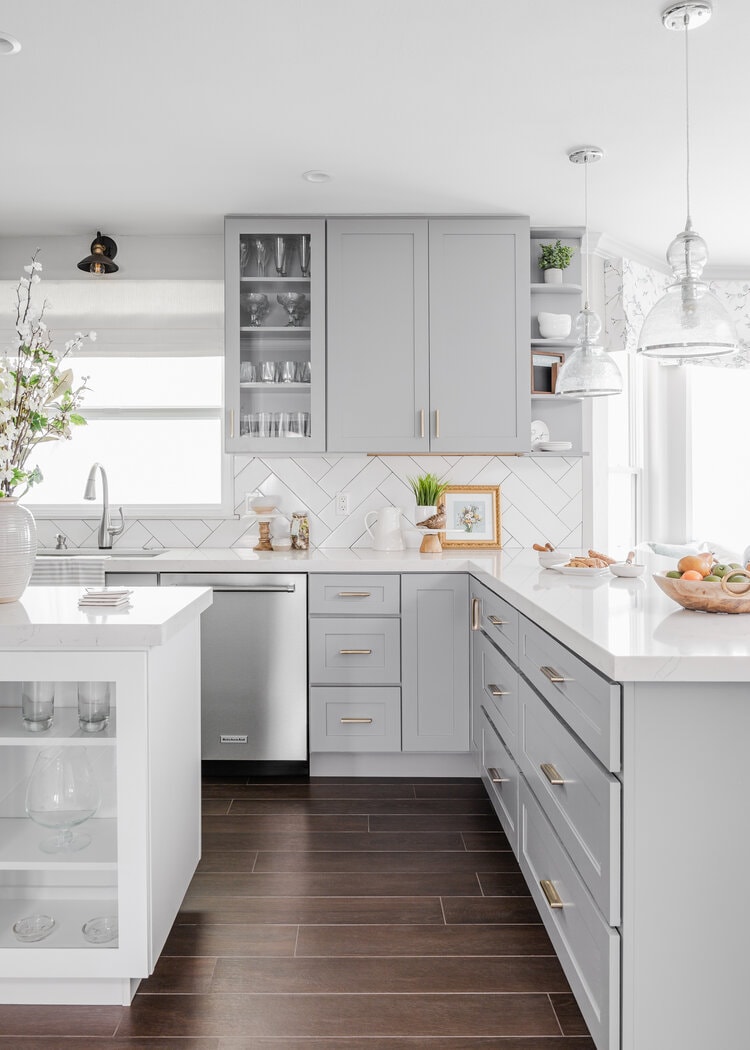
How to Budget for Kitchen Cabinets on a Chicago Flip Project
Flipping houses has become an increasingly popular venture in the Chicago area, with many investors seeking to maximize value through strategic renovations. One of the most impactful areas to focus on when flipping a kitchen is the cabinets. Kitchen cabinets not only enhance the aesthetic appeal of a home but also play a crucial role in functionality. However, budgeting for kitchen cabinets can be a complex task. In this article, we will guide you through the process of budgeting for kitchen cabinets on a Chicago flip project, ensuring you make informed decisions that align with your overall renovation goals.
1. Understand Your Target Market
Before diving into budgeting, it’s essential to understand your target market. The Chicago housing market is diverse, with various neighborhoods catering to different demographics. Research the preferences of potential buyers in the area where you are flipping the property. Are they looking for modern, sleek designs or traditional, cozy styles? Understanding these preferences will help you determine the type of cabinets that will attract buyers and influence your budget.
2. Set a Total Budget for Your Flip
Your overall renovation budget will dictate how much you can allocate to kitchen cabinets. Consider all costs associated with the flip, including purchase price, repairs, labor, and materials. A common rule of thumb is to allocate about 10-15% of your total renovation budget to kitchen cabinetry, but this can vary based on the scope of your project and the kitchen size.
3. Choose the Right Cabinet Style
The style of cabinets you choose significantly impacts your budget. Here are a few popular options:
- Stock Cabinets: These are pre-manufactured cabinets that come in standard sizes and styles, making them affordable and readily available. They are a great choice for budget-conscious flips.
- Semi-Custom Cabinets: Offering more flexibility in terms of size and design, semi-custom cabinets allow some personalization while still being relatively affordable.
- Custom Cabinets: If your budget allows, custom cabinets are tailored to fit the specific dimensions and style of your kitchen. However, they are also the most expensive option and may not always yield a good return on investment.
4. Determine Material Costs
Cabinet materials can greatly affect your budget. Solid wood cabinets are durable and appealing but tend to be more expensive. On the other hand, options like plywood or MDF (medium-density fiberboard) can be more budget-friendly. Consider the following materials:
- Solid Wood: Offers durability and a high-end look, but can be pricey.
- Plywood: A strong and stable option that’s less expensive than solid wood.
- MDF: Often used for painted cabinets, it’s affordable but less durable than wood.
5. Factor in Hardware and Accessories
Don’t forget to include costs for cabinet hardware like knobs, pulls, and hinges in your budget. These seemingly small details can add up quickly, especially if you’re purchasing high-quality materials. Accessories like pull-out shelves, lazy Susans, and soft-close hinges can enhance functionality but will also increase your total costs. Be sure to factor these into your overall budget.
6. Account for Labor Costs
Labor costs for cabinet installation can vary significantly based on the complexity of the job and the contractor’s experience. If you’re hiring a professional, get multiple quotes to find a fair price. For those with DIY skills, consider whether you can install the cabinets yourself to save money. However, ensure you have the necessary tools and experience to avoid costly mistakes.
7. Plan for Unexpected Expenses
In any renovation project, unexpected expenses can arise. Set aside a contingency fund, typically 10-20% of your overall budget, to cover unforeseen costs that may arise during the installation process. This way, you won’t be caught off guard if issues arise that require additional funds.
8. Explore Financing Options
If your budget is tight, consider exploring financing options. Home improvement loans, lines of credit, or using profits from previous flips can help you cover the initial costs of the cabinets. However, be cautious with borrowing, ensuring that the investment aligns with your projected returns.
9. Research Local Suppliers
Finding the right kitchen cabinet supplier is critical to your budgeting process. Look for local suppliers in Chicago, such as CCC Cabinets, that offer a variety of options at competitive prices. A supplier like CCC Cabinets provides in-stock solid wood kitchen cabinets in various styles, allowing you to select quality products without breaking the bank. Additionally, their strategic location near O’Hare offers convenient pickup options, ensuring you stay on schedule.
10. Review and Adjust Your Budget
As you progress through your project, continuously review your budget. Track all expenses related to the cabinets, including materials, labor, and unexpected costs. If you find that you’re exceeding your budget, assess areas where you can cut back, such as opting for more affordable cabinet styles or finishes. Regularly adjusting your budget will help you stay on track and ensure that your flip remains profitable.
Conclusion
Budgeting for kitchen cabinets on a Chicago flip project requires careful planning and consideration of various factors. By understanding your target market, setting a total budget, choosing the right cabinet style, and accounting for all associated costs, you can create a realistic budget that enhances your renovation efforts. Remember to research local suppliers like CCC Cabinets for quality options that fit within your budget. With the right approach, your kitchen cabinets can significantly contribute to the overall success of your flip project.
For more information on kitchen cabinets and to explore options for your next flip, contact our team or open a wholesale account with CCC Cabinets today!
More in Cost & Budgeting
Sourcing cabinets for a Chicagoland project?
CCC Cabinets supplies 15 door styles — including Mini White Shaker cabinets — at wholesale prices from our Des Plaines, IL warehouse. Confirm availability for your door style, then choose warehouse pickup near O’Hare or scheduled delivery across Chicagoland.
Door styles to explore: Mini White Shaker · Mini Shaker Cappuccino · Cappuccino
Browse all cabinet styles · Open a dealer account · Call (872) 241-5525 · Talk to our team